
Companion Plants
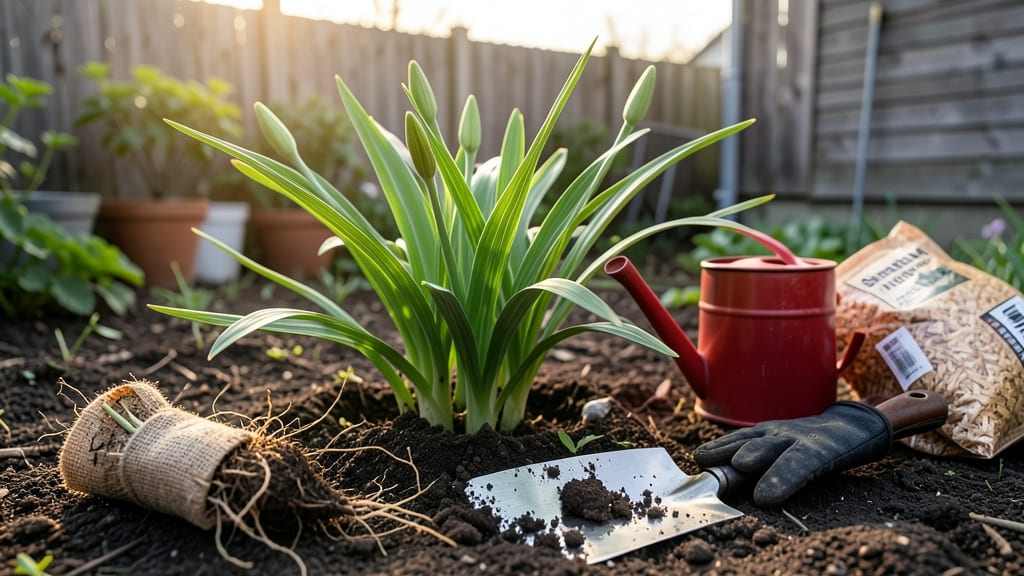
Timing your perennial planting in Zone 5 can make or break your garden’s success—get it wrong, and you risk frost damage or stunted growth.
The key is understanding when your soil warms up and how frost dates affect different plants, especially since Zone 5’s cool springs and unpredictable weather demand precision.
I’ve planted perennials in Zone 5 for years, and the difference between a thriving garden and a sad, half-dead one often comes down to one or two weeks of perfect timing.
Whether you’re adding hardy hostas or delicate lavender, knowing the exact window—like planting after the last frost but before summer heat—is everything.
In this guide, I’ll break down the ideal planting months for Zone 5, including soil temperature cues and microclimate adjustments. You’ll learn how to spot false starts, when to plant for fall blooms, and which perennials thrive in early spring versus late-season windows.
Ready to turn your garden into a year-round showstopper? Let’s dive into the frost-free timeline that’ll help your perennials take root—and stay that way—for seasons to come.
Zone 5 perennial planting timeline by hardiness and frost dates
Planting perennials in Zone 5 requires precision because frost dates can vary by 1-2 weeks between early and late springs. The last average frost date typically falls between April 15-30, but tender perennials need soil temperatures above 60°F to thrive.
I’ve planted hostas and lavender at different times—here’s what I’ve learned about timing.
For hardy perennials like coneflowers and black-eyed Susans, you can start as early as late March if your soil isn’t frozen. Tender varieties, such as lavender or Russian sage, must wait until mid-May when nighttime temps stay above 50°F.
My peony plants, for example, bloom best when planted in early fall—a timing I’ll cover later.
Use a soil thermometer to confirm readiness—60°F+ for most perennials, 70°F+ for heat-lovers like salvias. In my garden, daffodils blooming signals it’s safe to plant hardy perennials, while lilacs in full bloom mean tender plants are fair game. These natural cues save me from guessing.
Here’s a quick reference for Zone 5 planting windows by perennial type, including soil temp and frost risk factors:
| Plant Type | Ideal Planting Window | Soil Temp Threshold | Frost Risk |
|---|---|---|---|
| Hardy Perennials (e.g., hostas, coneflowers, daylilies) | Late March–early May | 50–60°F | Moderate (use frost cloth if late) |
| Semi-Hardy Perennials (e.g., peonies, catmint, Russian sage) | Early–mid May | 60–70°F | Low (after last frost) |
| Tender Perennials (e.g., lavender, salvias, penstemon) | Mid–late May | 70°F+ | None (established roots) |
| Fall Planting (e.g., asters, sedum, hardy geraniums) | September–October | 50–60°F | None (roots establish before winter) |
Pro tip: Divide and transplant perennials like hostas or iris in early spring (March–April) or early fall (September) for best results. I’ve found that fall-planted perennials often outperform spring-planted ones because they establish roots before winter stress.
If you’re in a microclimate (like a south-facing slope), you can plant 2–3 weeks earlier than the average frost date. My lavender thrives on a sunny wall where temps warm up faster. Conversely, low-lying areas may need frost protection until June. Always check your local Almanac frost dates for precision.
For container-grown perennials, you can plant 1–2 weeks earlier than bare-root plants because their roots are already established. I start potted lavender in late April while waiting for bare-root roses until mid-May. The key is root zone warmth—not just air temperature.
One mistake I made early on was planting tender perennials too soon. My salvia wilted twice before I learned to wait until nighttime temps stay above 50°F for 5+ consecutive days. Now, I use a minimum-maximum thermometer to track nighttime lows—it’s a game-changer for Zone 5 gardeners.
Remember: Fall planting (September–October) is ideal for hardy perennials because cooler temps reduce transplant shock. My asters and sedum planted in early September bloom more vigorously than those planted in spring. The secret? Water deeply after planting and mulch heavily to protect roots.
For a foolproof approach, mark your last frost date on your calendar and count 2–3 weeks after for hardy perennials. Tender varieties need 4–6 weeks of frost-free weather to establish. I’ve even planted bare-root peonies in November with 100% success—just cover them with straw mulch for winter protection.
How to adjust planting times for early vs. late Zone 5 springs
Zone 5 springs are famously unpredictable—one year, daffodils bloom by March, while the next, frost lingers into May. This variability means your planting window can shift by 4-6 weeks, and guessing wrong can leave your perennials struggling.
The key is adapting to your microclimate and using soil temperature as your true guide, not just the calendar.
I’ve learned the hard way that planting too early—even with hardy perennials—can lead to root rot in cold, soggy soil. Conversely, waiting too long risks summer heat stress for tender varieties. The solution? Soil thermometers and local frost records (check your USDA Plant Hardiness Zone Map for precise data).
Here’s how I adjust planting times based on spring timing: For early springs (when soil hits 50°F by late April), I plant cool-season perennials like hostas and heucheras by mid-April.
For late springs (soil warming to 50°F in early June), I delay until after the last frost date and focus on heat-tolerant perennials like black-eyed Susans or Russian sage.
Don’t be fooled by warm daytime temps—nighttime frosts can still kill young plants. Always check 7-day forecasts and wait until soil is consistently above 50°F for 10+ days. I once lost a batch of lavender starts because I planted after a 55°F day but before a 28°F night!
Microclimates play a huge role too. South-facing slopes warm up faster than shady spots, so I plant there first. If your garden has cold pockets (like low areas near foundations), delay planting by 2-3 weeks for those zones.
I also use black plastic mulch or cloches to warm soil in cooler microclimates, extending the planting window by 1-2 weeks.
Another trick? Watch for natural indicators: When daffodils bloom, it’s safe to plant hardy perennials like daylilies or catmint. If lilacs are in full bloom, even tender perennials like lavender can go in. These cues align with soil warmth and reduce guesswork.
For late-season planting (summer or early fall), aim for 6-8 weeks before your first frost. This gives perennials time to establish roots before winter. I’ve had great success planting sedum and salvia in late August—they thrive with the cool nights and moist soil of early fall.
Just avoid planting woody perennials like shasta daisies in summer heat—they’ll struggle to root.
Pro tip: Keep a gardening journal to track your local frost dates and soil warming patterns. Over time, you’ll spot trends and refine your planting schedule. My first year, I planted peony roots too early and lost them to frost.
Now, I wait until late April—and they’ve bloomed reliably for 5 years.