
Planting
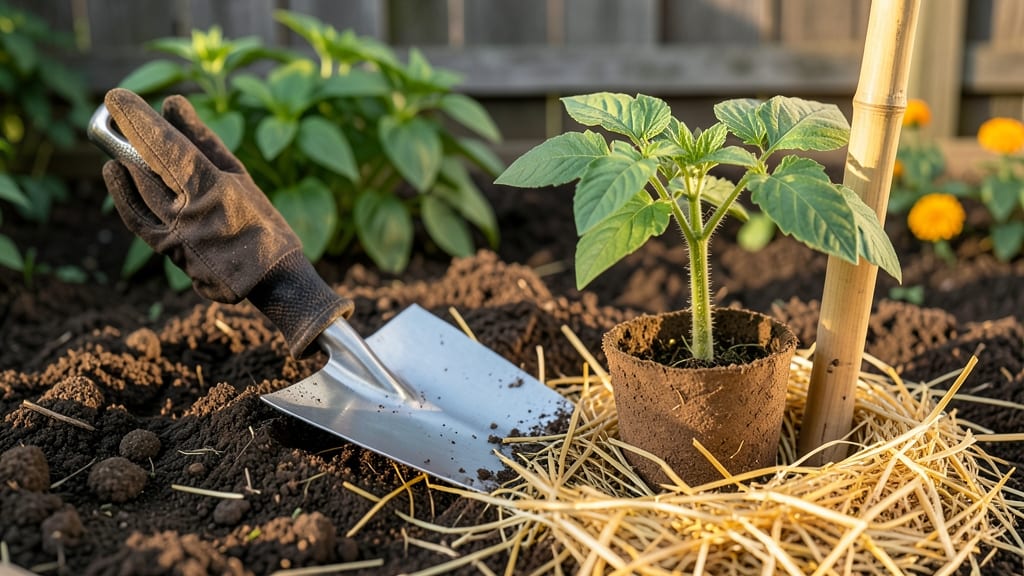
Ohio planting deadlines by Zone 5b vs 6a: exact dates for cool vs warm season crops
Ohio’s USDA Zones 5b and 6a create subtle but critical differences in planting schedules. Zone 5b (colder) typically has its last frost around April 25, while Zone 6a (warmer) averages April 15. These dates shift when to plant frost-sensitive tomatoes or hardy spinach by up to 2 weeks.
For cool-season crops like lettuce and peas, start seeds indoors 6-8 weeks before your last frost date. In Zone 5b, that means mid-February, while Zone 6a gardeners can begin early February. Direct sowing outdoors follows 4-6 weeks later.
Warm-season crops like beans and cucumbers need to wait until soil temperatures hit 60°F consistently. In Zone 5b, this usually aligns with May 10, while Zone 6a can plant April 25. Use a soil thermometer to confirm readiness.
| Crop Type | Zone 5b Deadline | Zone 6a Deadline | Key Notes |
|---|---|---|---|
| Cool-Season (Lettuce, Spinach) | March 15 (outdoors) | March 1 (outdoors) | Tolerates light frost; succession plant every 2 weeks. |
| Warm-Season (Tomatoes, Peppers) | May 10 (after last frost) | April 25 (after last frost) | Wait for soil >60°F; use row covers for early starts. |
| Fall Crops (Kale, Radishes) | July 15 (for late harvest) | July 1 (for late harvest) | Plant 8-10 weeks before first frost; protect from early cold snaps. |
| Perennials (Asparagus, Rhubarb) | Early spring (March) | Early spring (February) | Prepare beds in fall; plant crowns 4-6 inches deep. |
For herbs like basil and cilantro, Zone 5b gardeners should wait until May 1 to avoid frost damage, while Zone 6a can plant April 15. These herbs thrive in warm soil and full sun, making timing as critical as placement.
Ohio’s fall planting window runs from July through August. For broccoli and carrots, Zone 5b gardeners should plant by July 20 to ensure harvest before first frost (October 15). Zone 6a has until August 1 for a longer growing season.
Use row covers or cold frames to extend seasons. These tools let Zone 5b gardeners plant spinach 2 weeks earlier in spring or kale 3 weeks later in fall compared to standard schedules.
Always check local almanac records for your specific county, as microclimates can shift deadlines by 1-2 weeks. Urban areas often warm up faster than rural zones, creating unique opportunities for early planting.
For container gardening, warm containers (like black pots) can create microclimates that allow tomato plants to be set out 1 week earlier than in-ground plantings. Monitor soil temps closely to avoid transplant shock.
Remember: Succession planting is key in Ohio’s short season. For lettuce, make 3-4 sowings every 2 weeks from March through July to ensure continuous harvests.
How Ohio microclimates (urban vs rural) shift planting timelines by 2-4 weeks
Ohio’s diverse geography means your neighbor’s planting schedule might not work for you. Urban areas like Columbus or Cincinnati can experience heat islands that delay frost by 2-3 weeks, while rural areas near Lake Erie might see earlier frosts.
These microclimates create localized planting zones that shift deadlines by 10-14 days—sometimes even more.
Urban gardens often have warmer soil and longer growing seasons due to concrete absorbing heat. Meanwhile, rural areas near lakes or hills may face earlier frosts and cooler soils. Even within a city, elevation changes of just 50 feet can push frost dates back by 5-7 days. Understanding these differences helps you avoid planting too early or missing harvest windows.
- Urban Areas: Plant warm-season crops 2 weeks earlier (soil warms faster).
- Lake Effect Zones: Delay cool-season crops by 1-2 weeks (cooler nights).
- Hilly Regions: Frost arrives 7-10 days earlier—plant frost-sensitive crops later.
- Container Gardens: Soil warms 3-5 days faster than in-ground beds.
To identify your microclimate, check local weather stations (like those at Ohio State’s Ohio Agricultural Research and Development Center) or use USDA’s Plant Hardiness Zone Map. Tools like the Old Farmer’s Almanac or NOAA frost charts provide hyper-local data.
For example, Toledo’s last frost often occurs April 5, while Athens’ might not happen until April 20—a 15-day difference for planting tomatoes!
Elevation matters too: Every 1,000 feet of elevation gain can shift frost dates by 3-5 days. If you’re in southeastern Ohio, plant peppers and eggplants closer to May 15 instead of the statewide average of May 1. Meanwhile, northern Ohio gardeners should wait until May 22 for those same crops to avoid frost damage.
For container gardeners, soil warms 3-5 days faster than in-ground beds, so you can plant warm-season crops like basil or cucumbers 1 week earlier. However, containers also dry out faster—water daily during heatwaves to prevent stress.
If you’re near Lake Erie, watch for late-spring frosts (even in May) and use row covers for extra protection.
Pro tip: Track your garden’s personal frost dates for 3 years to refine your schedule. Note when azaleas bloom (a natural frost indicator) or when dandelions go to seed—both signal spring’s progression. By adjusting for your microclimate, you’ll maximize yields and avoid common Ohio gardening pitfalls like blossom-end rot in tomatoes or bolting lettuce from heat stress.
🌱