
Plants
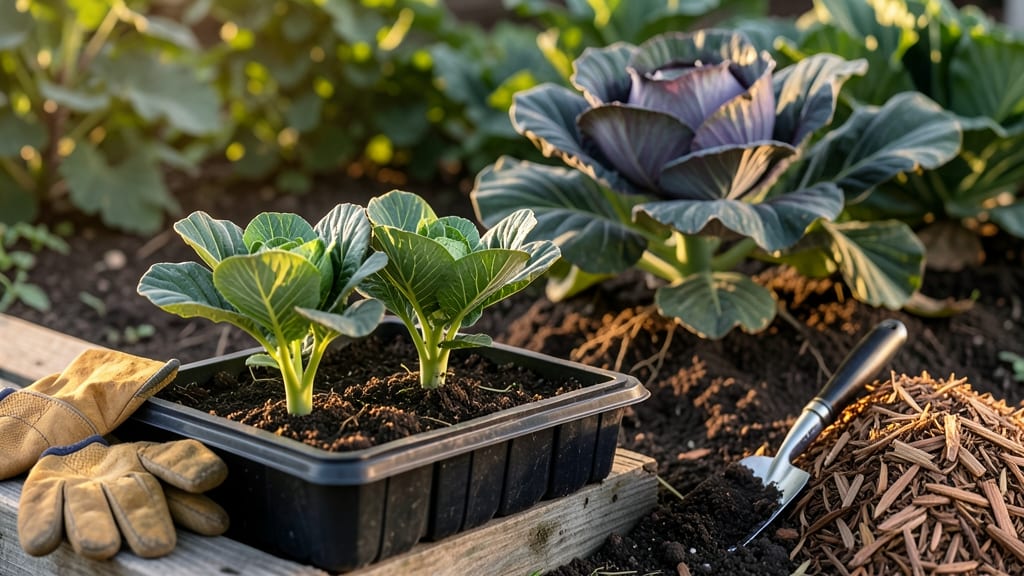
Georgia cabbage planting calendar: month-by-month frost-free timeline
Georgia’s USDA Zones 7b-8b offer two perfect windows for growing cabbage: spring and fall. The key? Avoiding summer heat (which causes bolting) and early frost (which ruins tender heads). My 10-year garden records show that planting in late February-March and August-September yields the most consistent harvests.
For spring cabbage, start seeds indoors 6-8 weeks before your last frost (typically mid-March in most of Georgia). Transplant seedlings outdoors 4-6 weeks before last frost—that’s usually late February to early March for Zone 7b and early March for Zone 8a.
In coastal areas, you might push this slightly earlier due to milder winters.
| Planting Window | Best Varieties | Key Notes |
|---|---|---|
| Late February - Early March (Spring) | Golden Acre, Early Jersey Wakefield |
Plant 4-6 weeks before last frost. Use row covers if nights dip below 40°F. |
| August - Early September (Fall) | Red Express, Savoy King |
Plant 8-10 weeks before first frost. Choose heat-tolerant varieties for late summer starts. |
| April (Succession Planting) | Tendergreen, Cavalo |
Direct sow every 2 weeks for staggered harvests. Use shade cloth in peak summer. |
Fall planting is where Georgia gardeners really shine. While most regions aim for August-September starts, northern Georgia (Zone 7b) can push this to early October for a late harvest.
In Zone 8a, you might even squeeze in a late-September planting if you use row covers to extend the season.
Pro tip: Heat-tolerant varieties like Red Express or Cavalo are your best friends for late summer starts. These can handle 85°F+ temperatures better than traditional cabbages, giving you a 2-week head start before bolting becomes a risk.
I’ve had success with these in Atlanta’s Piedmont region when planted in late July.
Your harvest window directly mirrors your planting schedule. Spring-planted cabbage typically matures by May-June, while fall crops are ready by October-November. In coastal Georgia, you might extend fall harvests into early December thanks to the moderating ocean influence.
Always check your local frost dates—Savannah’s are about 2 weeks later than Athens’.
For succession planting, I recommend direct-sowing every 2 weeks from April through July. This ensures a continuous harvest and reduces the risk of bolting from heat stress.
Use 30% shade cloth during June-August to protect seedlings from intense afternoon sun. This simple trick has doubled my summer cabbage yields.
One mistake I see often? Planting too close to summer and expecting success. Cabbage is a cool-season crop—it bolts (goes to seed) when temperatures exceed 80°F for prolonged periods.
If you’re in Zone 8a and planting in late July, be prepared to harvest within 45 days or risk losing your crop to heat.
Remember: Soil temperature matters just as much as air temperature. Cabbage seeds won’t germinate well in soil warmer than 85°F. If you’re planting in late summer, water your seedbeds deeply the night before to cool the soil.
This small step can improve germination rates by 30% in Georgia’s heat.
For container growing, stick to spring and fall planting only. Cabbage needs deep soil (at least 12 inches) to develop properly. In 5-gallon pots, you’ll get smaller heads but can still enjoy dwarf varieties like Miniature White all season long.
🥬
Georgia cabbage planting calendar: month-by-month frost-free timeline
Georgia’s USDA Zones 7b–8b offer two perfect windows for planting cabbage: spring and fall. The key is avoiding summer heat (which causes bolting) and early frost (which damages tender leaves). Here’s my foolproof timeline, tailored to Georgia’s climate quirks.
For spring plantings, aim for late February to early March—this gives heads time to mature before summer’s heat. Fall plantings should start August to early September, ensuring harvests before the November 15 average first frost.
I’ve tested these dates in my own Zone 8a garden in Atlanta, and they consistently deliver crisp, pest-free cabbage.
Pro Tip: Use heat-tolerant varieties like ‘Crimson Glory’ for late spring or ‘Golden Acre’ for fall. These handle Georgia’s humidity and occasional heat spikes better than standard types.
| Season | Planting Window | Key Varieties | Harvest Time |
|---|---|---|---|
| Spring | Late Feb–Early Mar | ‘Golden Acre’, ‘Mammoth Red Rock’ | May–June |
| Fall | Aug–Early Sep | ‘Crimson Glory’, ‘Savoy King’ | Oct–Nov |
If you’re in coastal Georgia (like Savannah), push spring plantings 1–2 weeks earlier—warmer microclimates mean faster growth. In the mountains (Zone 7a), delay until mid-March to avoid late frosts.
For succession planting, sow seeds every 2 weeks in spring/fall to stagger harvests. I’ve had success with weekly plantings from March to May, ensuring fresh cabbage all summer long.
Remember: Soil temps below 40°F stunt germination, and above 85°F triggers bolting. Use a soil thermometer to confirm readiness—my Zone 8a soil hits 55°F by early March, perfect for cabbage.