
Plants
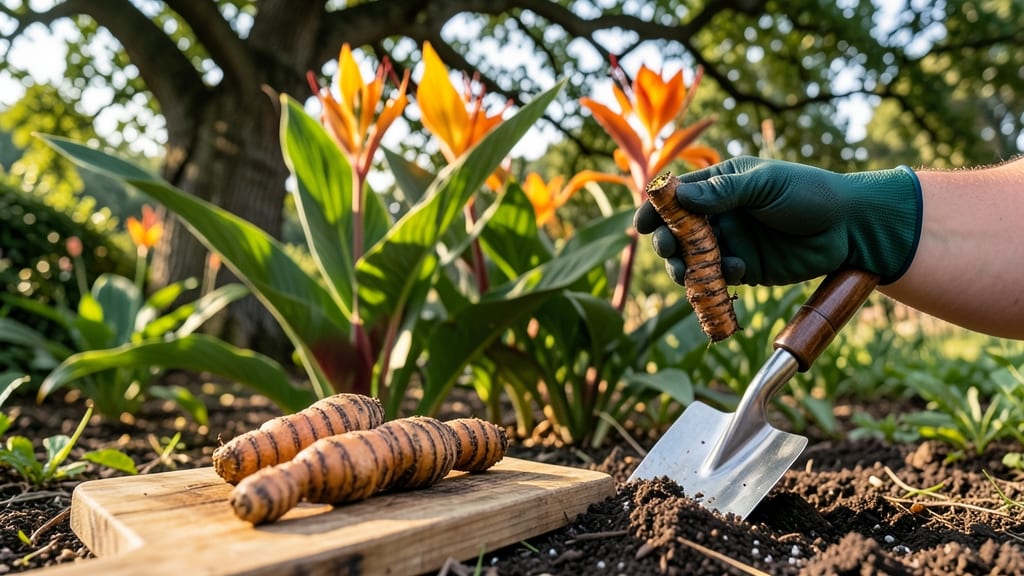
The best time to plant canna bulbs in Texas isn’t just about avoiding frost—it’s about catching that sweet spot where the soil warms up enough to fuel those fiery 🌺 blooms before summer’s brutal heat sets in.
If you’ve ever watched your cannas struggle or bolt too early, you know timing is everything. Texas’ diverse climate means North Texas gardeners wait until March or April, while Central and South Texas can start as early as February—but soil temperature is the real game-changer.
I’ll break down the exact frost-free windows by region, plus how to prep your soil and pick the perfect spot for bold, long-lasting blooms. Skip the guesswork and get ready for cannas that thrive all season long.
Whether you’re a first-time planter or a seasoned gardener, these tips will help you avoid common pitfalls and maximize your cannas’ potential—no matter where in Texas you’re growing.
Texas canna planting calendar: month-by-month frost-free timeline for optimal growth
Texas gardeners know that canna lilies thrive in our heat—but only if planted at the right time. The last frost date isn’t the only factor; soil temperature and regional microclimates play huge roles. In North Texas (Zone 8a), wait until mid-March after the average February 15 frost date.
Meanwhile, South Texas (Zone 10b) can start as early as mid-February when soil warms to 60°F.
For Central Texas (Zone 9a), aim for late February to early March—just after the January 31 last frost.
These timelines ensure your canna bulbs avoid frost damage while giving them time to establish roots before summer’s brutal heat. Missed the window? Don’t worry—we’ll cover late planting hacks later!
🌱 Pro Tip: Use a soil thermometer to confirm 60°F+ soil temps before planting. Cold soil slows root growth, leaving cannas vulnerable to heat stress once summer hits.
Planting in March or April gives cannas a 120-day growing season before summer’s peak. This ensures full bloom potential by July or August, when Texas heat is most intense. Early plantings (February) risk frost damage in North/Central Texas, while late plantings (May) may bloom weakly before winter sets in.
For container gardening, adjust timelines by 2-3 weeks earlier—pots warm faster and can be moved to protected spots if frost threatens. Heat-tolerant varieties like 'Striped' or 'Purple Haze' handle later plantings better than 'Dwarf' types, which need early starts for full growth.
🌿 Regional Hack: In East Texas, where humidity is higher, plant 1-2 weeks later to avoid fungal diseases like rhizoctonia. Well-draining soil is a must!
After planting, mulch heavily (3-4 inches) to retain moisture and regulate soil temps. Organic mulch like straw or shredded leaves also suppresses weeds, giving your cannas a competitive edge in Texas’ aggressive growing season.
Monitor your cannas for heat stress signs like yellowing leaves or wilting after 90°F+ days. Increase watering to deep soaks every 5-7 days and provide afternoon shade if possible. Heat-tolerant varieties bounce back faster, but all cannas benefit from consistent moisture during Texas summers.
In North Texas, where winters are colder, consider overwintering bulbs in pots or deep mulch. Dig up rhizomes after first frost (usually November-December) and store them in dry peat moss at 50-60°F until spring replanting. This extends their lifespan by years!
💡 Final Tip: Mark your canna planting dates on a garden calendar with regional frost dates. Texas’ unpredictable weather means flexibility is key—always have a backup plan for late frosts or early heatwaves.
5 Critical factors that determine the best time to plant cannas in Texas
Planting cannas in Texas isn’t just about avoiding frost—it’s about mastering soil temperature, humidity, and heat tolerance. Unlike northern states, Texas’ long growing season and variable microclimates mean your timing must account for urban heat islands, rural dryness, and coastal humidity.
Let’s break down the 5 non-negotiable factors that separate thriving cannas from wilted disappointments.
First, soil temperature is your #1 priority. Cannas refuse to sprout until the ground hits at least 60°F—cold soil shocks their roots. Use a soil thermometer (just $10 at garden centers) to check depth.
In North Texas, wait until mid-April when daytime temps consistently stay above 65°F. Central and South Texas gardeners can plant as early as late February, but verify with local agricultural extension reports—some years, erratic cold snaps sneak in.
- 🌡️ Soil temp ≥60°F (use thermometer!)
- ☀️ 6+ hours full sun (no shade compromises)
- 💧 Well-draining soil (amend clay with compost)
- 🌬️ Humidity tolerance (South TX = higher needs)
- 🌿 Heat-tolerant variety (e.g., 'Black Knight' vs. 'Striped')
Next, sunlight exposure makes or breaks your blooms. Cannas demand full sun (6+ hours daily)—even partial shade stunts growth. In urban areas, check your yard’s sunlight with a sunlight tracker app (like Sun Surveyor).
If your spot gets <5 hours of sun, skip cannas—they’ll reward you with weak stems and sparse flowers. Pro tip: South-facing beds in Texas get the most consistent sun, but west-facing spots can work if you water deeply in afternoon to combat heat stress.
Don’t overlook soil drainage—cannas hate soggy roots. Texas’ heavy clay soil? Amend it with 3 inches of compost or sand before planting.
For container growers, use fast-draining mixes (60% potting soil, 30% perlite, 10% coconut coir). Test your soil’s pH (aim for 6.0–7.0); acidic soil (<5.5) locks out nutrients, causing yellow leaves despite proper watering.
Humidity plays a sneaky role. South Texas gardeners deal with sticky, humid air that encourages fungal diseases like leaf spot. To combat this, space plants 18–24 inches apart for airflow and avoid overhead watering.
In West Texas, low humidity means drought stress—mulch with 2–3 inches of straw to retain moisture. Variety choice matters: 'Purple Dragon' thrives in humidity, while 'Australia' handles dry heat better.
Finally, heat waves can stress young cannas. If planting in late May, opt for heat-tolerant varieties like 'Cleopatra’ or 'Durban’. For June plantings, shade seedlings with floating row covers for the first 2 weeks. Morning watering (before 10 AM) prevents heat scorch.
Remember: Texas summers hit 100°F+—cannas can handle it, but established plants (6+ inches tall) recover faster from heat shock than tender seedlings.