
Plants
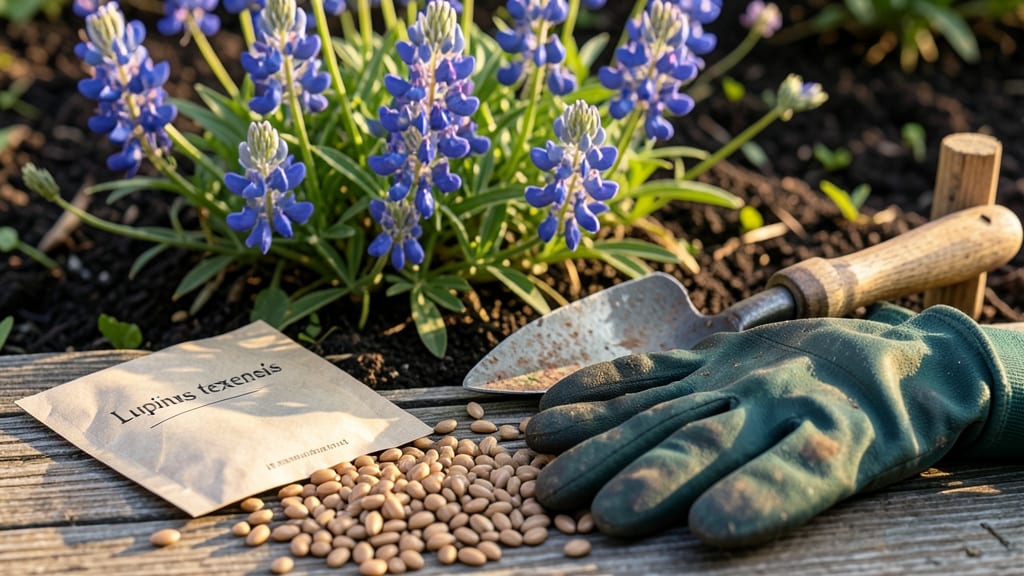
If you’ve ever dreamed of Central Texas fields carpeted in vibrant bluebonnet blooms 🌸, timing when to plant bluebonnet seeds in central Texas is the game-changer between success and disappointment.
Planting these iconic wildflowers at the wrong time—like late summer or spring—triggers early bolting, leaving you with no flowers by spring. The secret lies in a narrow fall window that balances cooling temperatures and moisture, which I’ll break down for you.
Most gardeners in USDA Zone 8a assume September is the only month to plant, but that’s only half the story. The ideal window actually runs from mid-September through mid-October, when soil temperatures drop below 70°F—a critical threshold for preventing seed dormancy issues.
This timing ensures your bluebonnets establish roots without rushing into bloom too soon, a common mistake that leads to weak stems and fewer flowers.
What makes this even trickier? Central Texas’s microclimates—like Austin’s cooler hills versus San Antonio’s urban heat—can shift your perfect planting date by 2-3 weeks.
I’ll show you how to adjust for your specific location, plus the 3 soil conditions that make or break your success, so you can avoid the heartbreak of sparse blooms next spring.
Ready to transform your landscape into a sea of blue? Let’s dive into the exact steps to plant bluebonnet seeds this fall—without the guesswork—and keep your garden thriving year after year.
The exact fall planting window for Central Texas bluebonnets
Central Texas gardeners dream of bluebonnet carpets blanketing their landscapes, but timing is everything. Planting too early risks heat stress, while waiting too long may trigger winter dormancy before germination.
The sweet spot is a narrow window where soil temperatures drop below 70°F—typically mid-September to mid-October—when summer’s brutal heat finally breaks.
This window aligns perfectly with Central Texas’s USDA Zone 8a-9a climate, where first frost averages December 15 and last frost hits around January 15.
By planting in this range, you ensure seeds stratify naturally (a cold period that breaks dormancy) without risking early bolting—when plants flower prematurely and fail to establish roots.
For Austin, San Antonio, and Waco, microclimates can shift this window by 1-2 weeks. Urban areas like Austin often stay warmer, while rural zones near Waco may cool faster.
Always check your local frost dates and aim to plant 4-6 weeks before first frost to give seeds time to germinate before winter sets in.
Here’s the golden rule: Wait until soil temperatures consistently stay below 70°F (use a soil thermometer to confirm). In most years, this falls between September 15 and October 15.
Planting after October 30 risks seeds sitting dormant through winter, while planting before September 1 may expose them to scorching heat and poor moisture retention.
| Planting Stage | Ideal Timeframe | Soil Temp (°F) | Risk if Missed |
|---|---|---|---|
| Seed Stratification | September 15–October 15 | Below 70°F | Premature bolting or poor germination |
| Germination | October–November | 50–65°F | Seeds remain dormant until spring |
| Winter Dormancy | December–February | Below 40°F | Seed viability decreases |
| Spring Growth | March–April | Above 60°F | Missed blooming season |
🌱 Pro Tip: Use a soil thermometer to confirm temps—Central Texas can vary 10°F+ between urban and rural areas.
If you’re in Austin’s urban heat island, push planting to late October to avoid residual heat. For Waco or rural areas, you might start as early as mid-September.
Always scatter seeds directly on prepared soil—no need to cover them. Lightly rake to ensure ¼-inch contact with soil, then water gently to settle them in place.
One common mistake is planting too thickly in hopes of thicker blooms. Bluebonnets thrive in moderate density—aim for 300–500 seeds per square foot. Overcrowding leads to weak stems and fewer flowers.
After planting, mulch lightly with straw to retain moisture and suppress weeds, but avoid thick layers that can smother seeds.
Monitor your seeds for germination signs (tiny green leaves) within 2–4 weeks. If you don’t see sprouts by late November, seeds may need stratification—place them in a moist paper towel in the fridge for 2 weeks before replanting in spring.
This mimics Central Texas’s natural winter chill and boosts germination rates.
Remember, bluebonnets are wildflowers, not garden perfectionists. They’ll naturalize over time, spreading via seeds dropped by bees and butterflies. The first year may be sparse, but by year two, you’ll see vibrant blue carpets—worth the patience!
For maximum impact, mix seeds with winter rye or wheat to create a living mulch that protects soil and improves texture.
Once established, bluebonnets are drought-tolerant and low-maintenance. Focus on watering deeply after planting (about ¼ inch per week) and avoiding fertilizer—they prefer lean, well-draining soil. In spring, enjoy the show-stopping blooms and plan ahead for next year’s fall planting.
The exact fall planting window for Central Texas bluebonnets
Bluebonnets thrive in Central Texas's mild fall temperatures, but timing is everything. Plant too early, and seeds may rot in summer heat; too late, and they won’t establish roots before winter. The ideal window is September 15–October 15, when soil temps drop below 70°F and rainfall increases naturally.
This 6-week window aligns with Central Texas’s USDA Zone 8a-9a climate, balancing moisture retention and frost avoidance. Austin’s cooler microclimate may extend planting to early November, while San Antonio’s heat might push the deadline to mid-October.
🌸
| Region | Best Planting Window | Soil Temp Threshold | Key Risk |
|---|---|---|---|
| Austin | Sept 20–Nov 1 | Below 68°F | Early frost |
| San Antonio | Sept 15–Oct 15 | Below 72°F | Heat stress |
| Waco | Sept 22–Oct 10 | Below 70°F | Drought |
🌱 Pro Tip: Use a soil thermometer to confirm temps before planting.
For wildflower meadows, scatter seeds after the first frost (typically late November) to mimic natural dispersal. However, this delays blooms until the following spring. If you’re planting container gardens, start seeds indoors in late August under grow lights for earlier blooms.
Monitor rainfall patterns—Central Texas averages 2–3 inches/month in fall. If drought hits, water lightly 2–3 times/week until germination (typically 10–14 days). Overwatering can cause seed rot, so prioritize well-draining soil.
💧
Even with perfect timing, seed stratification (natural cold treatment) boosts germination rates. If your seeds aren’t pre-stratified, mix them with sand and refrigerate for 2–4 weeks before planting. This mimics winter conditions and tricks seeds into thinking they’ve survived a cold snap.