
Plants
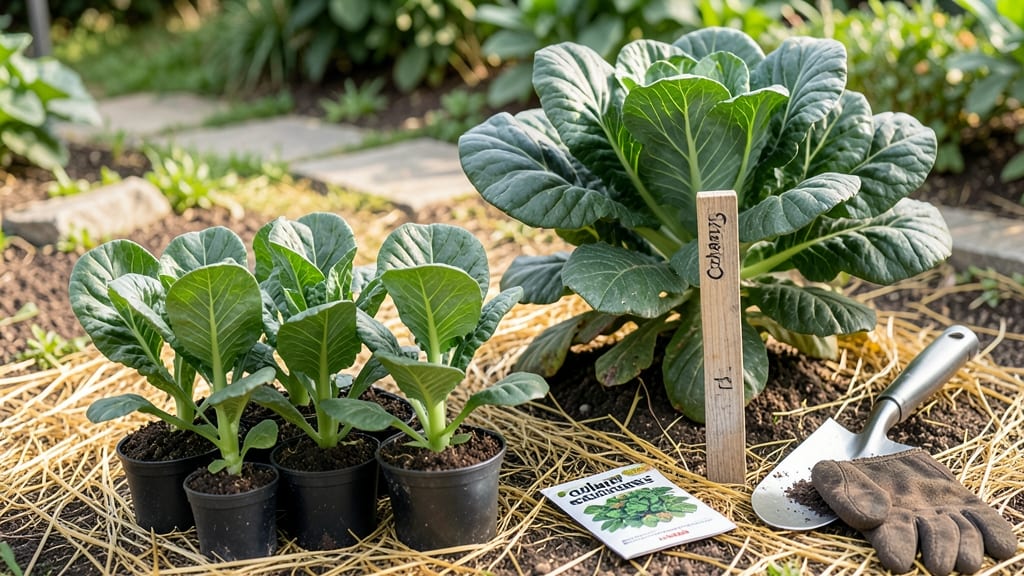
If you’ve ever wondered when to plant collards in Georgia for that perfect balance of tender leaves and bold flavor, timing is the secret ingredient—especially in our 7b-8b zones where mild winters and hot summers demand precision.
Planting too early in spring risks bolting from Georgia’s sudden heat, while late fall plantings can struggle before frost sets in. The key? Two ideal windows: early spring (February–March) for a spring harvest or late summer (August–September) to beat the heat and thrive through fall’s cooler months.
I’ll break down the exact frost-free timeline for your region—whether you’re in North Georgia’s cooler hills or South Georgia’s warmer lowlands—so you can avoid bitter greens and maximize your 🥬 collard harvest from April to November.
Ready to grow collards that taste like grandma’s kitchen? Let’s dive into the planting schedule that’ll have your garden producing flavorful greens all season long.
Georgia collard planting calendar: best months by region
Georgia’s diverse climate means collard planting times vary dramatically from the mountains of North Georgia to the coastal plains of South Georgia. In Zone 7a (North Georgia), you’ll need to plant earlier to beat the first frost, while Zone 8b (South Georgia) enjoys a longer growing window.
Let’s break down the ideal planting windows for each region to ensure your collards thrive.
For spring planting, aim to sow seeds or transplant seedlings 4–6 weeks before your last frost date. In Georgia, this typically falls between mid-February and early March in North Georgia and late February to mid-March in Central and South Georgia.
Spring-planted collards will be ready for harvest by late April to early May, just in time for your first fresh greens of the season.
Fall planting is where collards truly shine in Georgia. Start seeds or transplant seedlings 8–10 weeks before your first frost date, which usually means late August to early September in North Georgia and early to mid-September in Central and South Georgia.
This timing ensures your collards mature before the first frost, delivering sweeter, more tender leaves that can even survive light frosts.
📅 Georgia Collard Planting Calendar by Region
| Region | USDA Zone | Spring Planting | Fall Planting | Last Frost | First Frost |
|---|---|---|---|---|---|
| North Georgia | 7a | Mid-February to early March | Late August to early September | March 15 | November 1 |
| Central Georgia | 8a | Late February to mid-March | Early to mid-September | March 1 | November 15 |
| South Georgia | 8b | Late February to early March | Mid-September to early October | February 15 | November 30 |
🌱 Pro Tip: Use a frost calendar from your local UGA Extension office for precise dates in your area.
If you’re in North Georgia (Zone 7a), don’t wait too long for spring planting—collards can bolt in the heat, turning bitter before you even harvest. For Central and South Georgia, you have a bit more flexibility, but early planting is still key to avoid summer heat stress.
Always check your local frost dates and adjust by 2–3 weeks if your area experiences early or late frosts.
For direct sowing, plant seeds ¼ inch deep and 1 inch apart in rows spaced 18–24 inches apart. If you’re transplanting seedlings, space them 12–18 inches apart to allow for full growth.
In Georgia’s heat, young collard plants can struggle, so consider using shade cloth during the hottest part of summer if planting in late spring.
One of the biggest mistakes gardeners make is planting collards too late in the summer. By June or July, Georgia’s heat causes collards to bolt quickly, producing bitter leaves and flowers instead of tender greens.
If you love collards but hate summer heat, focus on fall planting—it’s the best time to grow them in Georgia’s climate.
Always prepare your soil before planting by adding compost or aged manure to improve drainage and fertility. Collards prefer well-draining, slightly acidic soil with a pH between 6.0 and 7.0.
A simple soil test from your local extension office can help you adjust pH if needed, ensuring your collards grow strong and healthy.
Finally, remember that collards are biennial, meaning they can survive mild winters and regrow in spring if protected. In Georgia’s Zone 8a and 8b, you can even leave some plants in the ground over winter with a thick mulch layer to extend your harvest into early spring.
This makes collards one of the most rewarding crops to grow in the Peach State!
How to extend your collard harvest season in Georgia
Georgia gardeners know that fall and winter are the golden seasons for collards, but with the right strategies, you can extend your harvest well beyond the first frost. Unlike many vegetables, collards actually taste sweeter after light frosts, making them perfect for Georgia’s cool-season growing windows.
The trick is knowing how to protect your plants and choose the right varieties for your region.
For a longer harvest, focus on fall planting (August–September) and use cold-hardy varieties like 'Blue Max' or 'Georgia Southern'. These varieties thrive in Georgia’s Zone 7b-8b and can survive temperatures down to 15°F with proper protection.
Planting in late summer gives your collards time to mature before winter sets in, ensuring you have tender leaves from October through March.
One of the easiest ways to extend your harvest is through succession planting. Instead of planting all your collards at once, sow seeds every 2–3 weeks from August through September. This staggered approach ensures a continuous supply of fresh greens, as each new batch reaches maturity at different times.
For example, plant one batch in early August for a fall harvest and another in mid-September to enjoy through winter.
🌱 Top 5 Strategies to Extend Your Collard Harvest in Georgia
- 1. Succession Planting: Sow seeds every 2–3 weeks from August–September for continuous harvests.
- 2. Cold Protection: Use row covers or low tunnels to shield plants from hard frosts.
- 3. Mulching: Apply straw or leaves around the base to insulate roots and retain moisture.
- 4. Winter Varieties: Choose 'Blue Max' or 'Georgia Southern' for cold tolerance.
- 5. Soil Prep: Amend soil with compost before planting to boost winter hardiness.
Don’t underestimate the power of mulching to protect your collards during Georgia’s winter chill. A 4–6 inch layer of straw or leaves around the base of your plants acts as an insulator, keeping roots warm and soil moisture intact.
This is especially important in North Georgia (Zone 7a), where winter temperatures can drop below freezing. Mulch also suppresses weeds and reduces soil erosion, making your collards easier to care for during the colder months.
If you’re in South Georgia (Zone 8b), where winters are milder, you can take advantage of overwintering techniques. Leave some collard plants in the ground after your fall harvest and cover them with row fabric or black plastic for added protection.
In Central Georgia (Zone 8a), you might even see regrowth in early spring, giving you an early harvest before your main spring planting.
Finally, harvesting techniques play a key role in extending your collard season. Instead of cutting the entire plant, harvest outer leaves first, leaving the inner leaves to continue growing. This method, called cut-and-come-again harvesting, ensures your plants keep producing for weeks or even months.
Just be sure to leave at least half the plant intact to maintain growth. With these strategies, you’ll enjoy fresh collards from September through March—or even longer with proper care!