
Plants
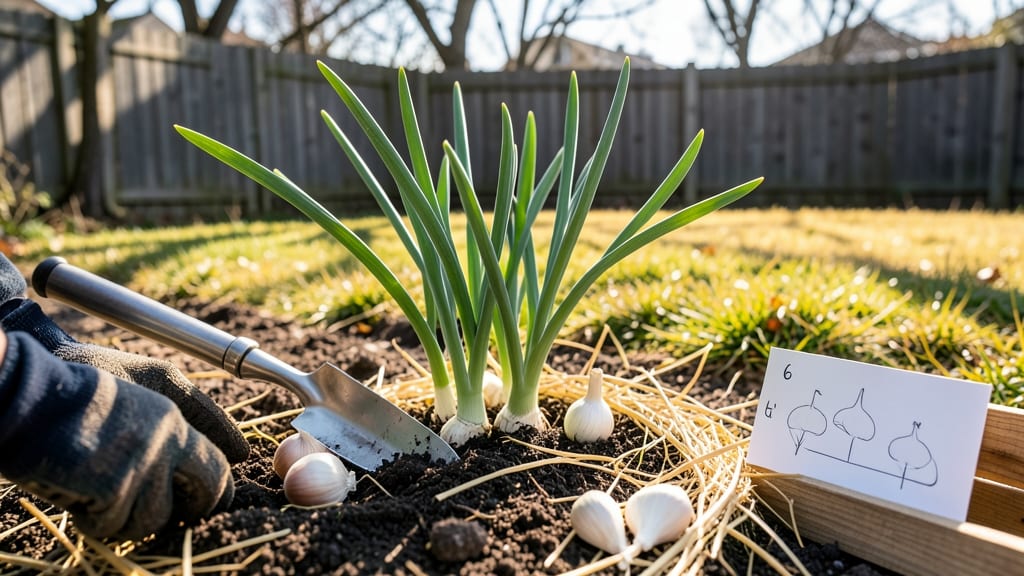
Planting your 🧄 garlic at the right time in fall isn't just about timing—it's the secret to growing bulbs so large they'll make your neighbors jealous.
In USDA Zone 6a, where I garden, the 6-week pre-frost rule is everything, but getting it wrong can leave you with tiny, underwhelming harvests instead of the plump cloves you crave.
You might think "later is better," but planting too close to frost risks stunted growth, while going too early means your garlic will bolt or rot before winter sets in.
The sweet spot? 6-8 weeks before your first frost date—typically mid-October in Zone 6a, but this shifts dramatically if you're in warmer or colder regions. Let me show you exactly how to calculate your perfect window, plus the soil prep tricks that make all the difference.
What you'll discover here isn't just theory—it's battle-tested advice from gardeners who've turned fall planting into a harvest goldmine. We'll cover zone-specific schedules, how to read your soil's readiness, and why spacing your cloves just right can double your bulb size.
Ready to grow garlic that'll impress even the pickiest chefs? Let's get started.
The best part? This isn't rocket science—just smart timing paired with a few simple adjustments that work whether you're a first-time planter or a seasoned green thumb. By the end, you'll know not only when to plant, but how to set your garlic up for success from day one.
Your future meals (and bragging rights) will thank you.
The 6-Week pre-frost rule: exact fall planting timing for garlic
Garlic thrives when planted in fall, but timing is everything. The 6-week pre-frost rule ensures your cloves establish roots before winter dormancy. This window—typically 4-6 weeks before the first hard frost—lets garlic develop a strong root system while avoiding winter kill.
For USDA Zone 6, that’s usually mid-October, but your exact date depends on local frost forecasts.
Why does this matter? Garlic needs cold temperatures (40-50°F) to form bulbs, but it can’t survive deep freezes. Plant too early, and cloves rot; too late, and bulbs stay small.
The 6-week window balances these needs perfectly. For example, in Zone 5, aim for late September, while Zone 8 gardeners can plant until November.
Soil temperature is your best guide. Use a soil thermometer to confirm temps are below 80°F but not yet freezing. Most gardeners plant when daytime highs dip to 70°F—a sure sign winter’s approaching. Pro tip: Check your local National Weather Service frost predictions for the most accurate timing.
Here’s how the 6-week rule breaks down by region:
| USDA Zone | Ideal Planting Window | Soil Temp Threshold | Key Consideration |
|---|---|---|---|
| Zones 3-4 | Late August to mid-September | 50-60°F | Short growing season; plant early |
| Zones 5-6 | Mid-September to October | 40-50°F | Balanced timing for root growth |
| Zones 7-8 | October to early November | 50-65°F | Warmer winters; extend window |
| Zones 9-10 | November to December | 60-70°F | Mild winters; plant later |
Garlic’s bulb formation depends on cold vernalization, a process where cloves experience consistent chilling (32-40°F) for 6-8 weeks. Planting too early can trigger premature sprouting, while late planting skips this critical phase.
For example, in Zone 6, planting in early October ensures cloves get enough cold before winter sets in.
Don’t overlook soil preparation. Garlic prefers well-draining, loose soil with a pH of 6.0-7.0. Amend heavy clay with compost or sand to prevent waterlogging, which rots cloves.
A balanced fertilizer (10-10-10) applied at planting time provides essential nutrients for early root growth. Think of it as giving your garlic a nutrient boost before the ground freezes.
One common misconception is that garlic must be planted in September only. While that’s ideal for northern climates, southern gardeners can plant well into November. The key is ensuring cloves have 4-6 weeks of growth before the ground freezes solid.
Use a frost calendar to calculate your local window—most are available for free online from agricultural extensions.
For container gardeners, the 6-week rule still applies, but adjust for smaller soil volumes. Use large pots (12+ inches deep) with drainage holes and plant 2-3 cloves per pot.
Containers warm up faster, so monitor soil temps closely. If your pots are in a sheltered spot, you might plant 1-2 weeks later than ground plantings.
Finally, choose the right garlic variety for your climate. Hardneck garlic (e.g., Music, German White) thrives in colder zones (3-7), while softneck garlic (e.g., Silverskin, Artichoke) suits warmer zones (8-10).
Planting the wrong type in your zone can lead to poor bulb formation or even failure.
Timing your garlic planting isn’t just about avoiding frost—it’s about optimizing bulb size and flavor development. By following the 6-week pre-frost rule and adjusting for your zone, you’ll harvest plump, flavorful bulbs next summer. 🧄
How to adjust planting time by hardiness Zone for perfect garlic bulbs
Adjusting your garlic planting schedule by USDA hardiness zone ensures you hit the 6-week pre-frost window without guessing. Each zone has unique frost patterns, so blindly following a calendar can backfire.
For example, Zone 5 gardeners should plant by late September to avoid early freezes, while Zone 9 can wait until November. The key is matching your local first frost date with garlic’s cold vernalization needs.
Start by checking your average first frost date—most National Weather Service websites or Almanac tools provide this data. Then, count backward 6 weeks to pinpoint your ideal planting window.
For instance, if your frost arrives November 15, aim to plant by late September. Use this zone-specific timeline as your guide:
Short growing season; plant 8 weeks before frost to ensure root establishment.
Classic 6-week window—plant when soil temps hit 50°F.
Warmer winters allow later planting—soil stays workable longer.
Mild climates permit winter planting, but avoid frost entirely.
Regional microclimates can shift these dates by 1-2 weeks. For example, a sheltered valley might frost 2 weeks later than surrounding areas. Use a soil thermometer to confirm temps are below 80°F but not yet freezing—this is your green light to plant.
Pro tip: Mountainous areas often frost earlier, so plant 2 weeks sooner than your zone’s average.
Don’t rely solely on zones—local frost data trumps general rules. Tools like the Almanac’s Frost Calculator or NOAA’s Climate Data let you input your ZIP code for precise frost predictions.
For instance, Chicago (Zone 5) might frost by October 20, while Denver (also Zone 5) could wait until November 5 due to elevation. Adjust your planting date accordingly to avoid frost damage or small bulbs.
Container gardeners face unique challenges because pots heat up faster than ground soil. If you’re growing garlic in containers, plant 1-2 weeks later than ground plantings. Use black pots to absorb heat and place them in shady spots to delay warming.
Monitor soil temps daily—once they drop to 60°F, it’s time to plant. Containers also dry out quicker, so water deeply every 5-7 days to prevent cloves from drying out.
Another critical factor is garlic variety selection. Hardneck garlic (e.g., Music, Chesnok Red) thrives in colder zones (3-7) and needs longer cold periods for bulb formation. Softneck garlic (e.g., Silverskin, Artichoke) suits warmer zones (8-10) and tolerates shorter chilling.
Planting the wrong variety in your zone can lead to poor bulb development or even no harvest. Always choose locally adapted varieties for the best results.
Fine-tuning your planting time by zone ensures your garlic gets the perfect balance of cold and growth before winter. By using local frost data, adjusting for microclimates, and selecting the right variety, you’ll harvest large, flavorful bulbs next summer. 🧄