
Plants
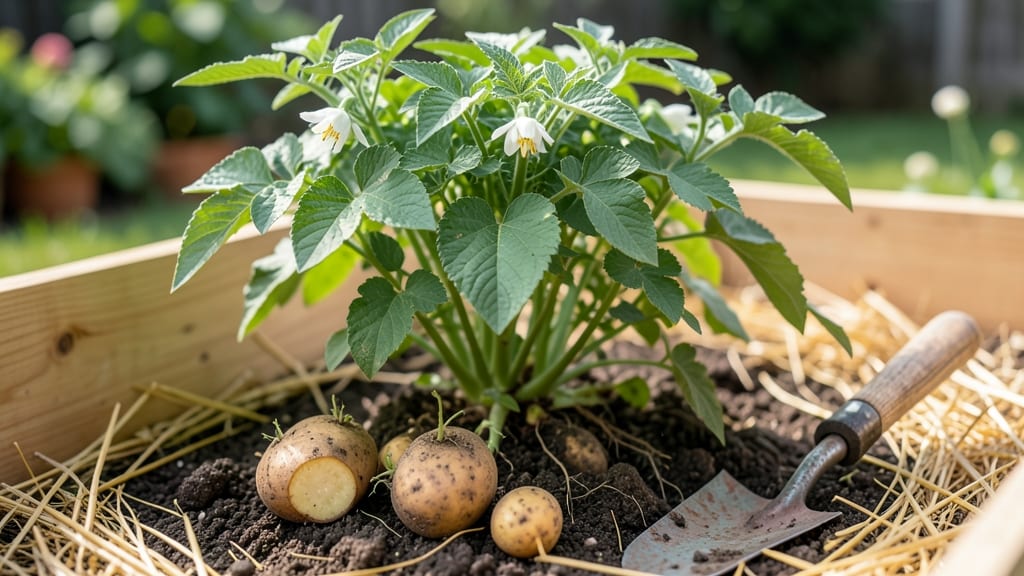
Planting potatoes in Arkansas at the wrong time can mean the difference between a thriving harvest and wasted effort—especially when frost dates shift unpredictably across the state’s 7a-8a zones.
Whether you’re in the cooler hills of the Ozarks or the warmer river valleys near Little Rock, getting the timing right ensures your 🥔 crop grows strong and avoids early-season setbacks.
Most Arkansas gardeners swear by planting early varieties like Yukon Gold in February or March, while late-season types can wait until April. But here’s the catch: soil temperature matters just as much as calendar dates.
Cold soil slows sprouting, so aim for 45°F or warmer—a rule that saves many a gardener from frost-burned tubers.
In this guide, I’ll break down the exact planting windows for your region, including how to adjust for Arkansas’ notorious spring temperature swings. You’ll also learn which varieties thrive best in your zone and when to expect that first harvest—so you can plan meals (or cans) around your homegrown bounty.
Skip the guesswork: master these timing secrets, and you’ll be digging up potatoes at their peak—just in time for summer feasts or fall storage. Let’s get started.
Arkansas potato planting calendar: exact weeks before last frost by Zone
Arkansas spans USDA hardiness zones 6b to 8a, meaning potato planting dates vary dramatically from the mountains of Northwest Arkansas to the Delta region near El Dorado.
In Zone 6b (e.g., Fayetteville), you can plant as early as February 15, while Zone 8a (e.g., Little Rock) waits until March 15 to avoid frost damage. The key is planting 4-6 weeks before your last average frost date, when soil temperatures hit 45°F.
For North Arkansas (Zones 6b-7a), aim for early March planting—this gives tubers time to mature before summer heat sets in. Central Arkansas (Zone 7b) gardeners should plant mid-to-late March, while South Arkansas (Zone 8a) can start as late as early April.
These timelines ensure a 90-day growing season before Arkansas’ first fall frosts in mid-November.
Here’s how to calculate your exact planting window: Check your local USDA frost map (available via the Arkansas Cooperative Extension Service), then subtract 6 weeks for early varieties like ‘Yukon Gold’ or 4 weeks for late varieties like ‘Red LaSoda’.
For example, if your last frost is March 20, plant early potatoes by February 5 and late potatoes by February 25.
🌱
| Arkansas Region | USDA Zone | Last Frost Date | Planting Window | Harvest Window |
|---|---|---|---|---|
| North Arkansas (Fayetteville) | 6b-7a | March 15 | Feb 15 - Mar 1 | June 15 - Aug 1 |
| Central Arkansas (Little Rock) | 7b | March 20 | Mar 1 - Mar 15 | June 20 - Aug 15 |
| South Arkansas (El Dorado) | 8a | March 25 | Mar 15 - Apr 1 | July 1 - Sep 1 |
Note: Adjust dates 1-2 weeks earlier for early varieties or later for late varieties.
If you’re planting successive crops, space them 2-3 weeks apart to stagger harvests. For example, plant ‘New Potatoes’ in early March and ‘Russet’ potatoes in late March. This ensures a continuous supply from June through September.
In North Arkansas, where springs are cooler, consider using black plastic mulch to warm the soil faster and extend the planting window.
For container gardening, start seed potatoes indoors in late January using grow lights and transplant outdoors after the last frost. Containers dry out faster, so monitor soil moisture closely—1-2 inches per week is ideal.
Place containers in full sun (6+ hours daily) and use well-draining soil to prevent rot.
Arkansas’ humid summers can stress potato plants, so prioritize disease-resistant varieties like ‘Kennebec’ or ‘Adirondack Red’. These varieties thrive in high heat and humidity while resisting common issues like blight and scab. Always rotate planting locations yearly to prevent soil-borne diseases.
Pro tip: Use a soil thermometer to confirm 45°F soil temps before planting—cold soil delays sprouting. In North Arkansas, where nights can still dip below freezing, cover young plants with frost cloth until danger of frost has passed. This extra protection ensures strong, healthy starts for your potato crop.
🌿
How to adjust planting dates for Arkansas’ unpredictable weather patterns
Arkansas’ spring weather can throw even the most experienced gardeners for a loop—one day it’s 60°F and sunny, the next it’s 35°F with frost warnings. This unpredictability makes potato planting timing tricky, but with the right adjustments, you can still secure a great harvest.
The key is monitoring soil temperature, not just air temperature, since cold soil delays sprouting and invites rot.
Most seed potatoes need 45°F soil to sprout consistently, but if your area experiences late frosts, wait until the ground warms to 50°F for faster, healthier growth.
Use a soil thermometer (available at garden centers for under $10) to check temperatures 4-6 inches deep—this is the zone where roots will form. In North Arkansas, this might mean delaying planting until late March, while South Arkansas gardeners can often start in early February.
Another trick is using black plastic mulch to warm the soil faster. Lay down the mulch 1-2 weeks before planting—it absorbs sunlight and raises soil temps by 5-10°F, giving you an earlier start. Just
Watch for Frost Warnings After Planting
Even if your potatoes are in the ground, a 28°F night can kill emerging sprouts. Sign up for local weather alerts (like those from the National Weather Service) and keep a frost cloth handy. If frost is predicted within 48 hours of planting, delay until conditions stabilize—waiting a few weeks is better than losing your entire crop.
For gardeners in USDA Zone 7a (like the Ozark Mountains), consider planting early varieties like ‘Early Girl’ or ‘Red Norland’ in containers. This lets you move pots to a sheltered spot if frost threatens.
Meanwhile, Zone 8a growers (such as those in the Delta region) can afford to plant later and still enjoy a long harvest season. The Arkansas Cooperative Extension Service recommends checking their local frost date maps annually, as climate shifts can alter traditional timelines.
Pro tip: Plant a test row of potatoes 1-2 weeks before your usual schedule. If the plants thrive and don’t show frost damage, you’ve found your safe planting window for the year.
This trial-and-error method pays off in future seasons when you can rely on your own data instead of generic guidelines.
Finally, don’t forget that rainfall patterns play a role. Arkansas’ spring often brings heavy rains, which can waterlog soil and stunt potato growth. If your forecast predicts consistent downpours, amend your soil with compost to improve drainage or choose a raised bed for better control over moisture levels.
With these adjustments, you’ll turn Arkansas’ quirky weather into an advantage, not a setback.