
Plants
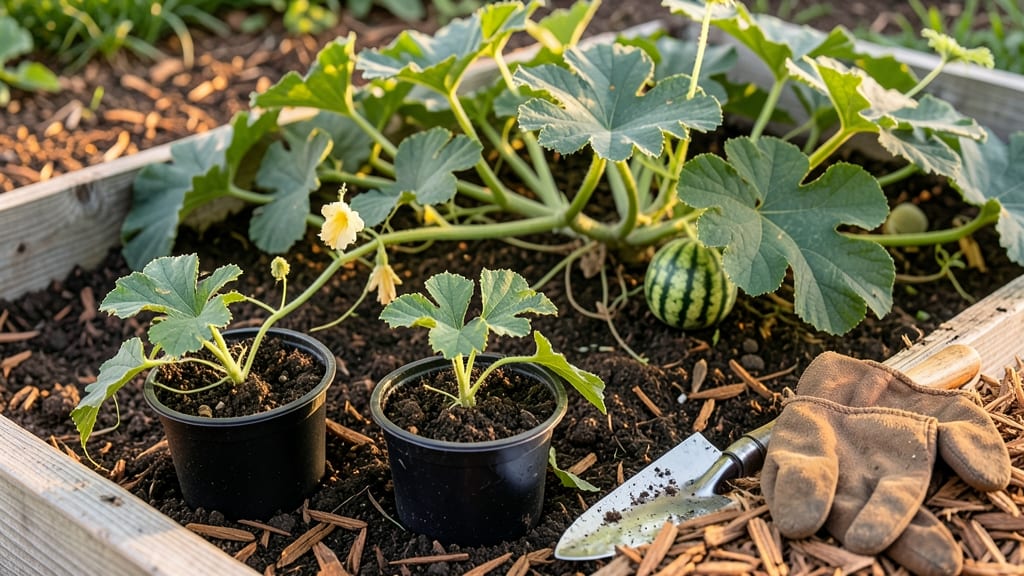
Planting watermelon in Missouri isn’t just about tossing seeds into the dirt—it’s about catching that narrow window between frost and scorching summer heat. 🍉 Miss a few weeks, and your plants might bolt before producing fruit, or worse, get wiped out by a late freeze.
The key to success? Timing it right after the last frost when soil temperatures hit at least 70°F.
Most Missouri gardeners swear by planting between mid-April and mid-May, but your exact schedule depends on whether you’re in St. Louis, Kansas City, or the Ozarks. Northern regions need to wait longer for the ground to warm, while southern areas can start earlier.
I’ll break down the best weeks after your last frost date—plus pro tips to speed up germination and protect young plants.
Why does this matter? Because watermelons are fast growers, but they’re also finicky about temperature. Start too early, and frost will kill your seedlings; too late, and you’ll miss the sweet spot for a full harvest before fall.
We’ll cover everything from soil prep to season-extending tricks so you can enjoy homegrown watermelons from July through September.
Ready to avoid the most common mistakes? Let’s dive into the exact planting schedule tailored to Missouri’s climate zones—so you can go from seed to slice in just 75 days.
Best weeks after last frost to plant watermelon in Missouri (by region)
Missouri’s diverse climate zones mean your watermelon planting schedule depends on where you live. The last frost date varies from mid-April in southern Missouri to late April in the Ozarks.
Always wait until soil temperatures hit 70°F+—watermelon seeds won’t germinate in cold soil. Use a soil thermometer to check!
For direct sowing (planting seeds outdoors), aim for 2-4 weeks after your last frost date. In St. Louis and Kansas City, this typically lands in late April to early May.
In southeastern Missouri, you can plant as early as mid-April, while northern regions may need to wait until mid-May.
If you’re starting seeds indoors, begin them 3-4 weeks before your target outdoor planting date. Seedlings need warmth and light to thrive—place them under grow lights or in a sunny window. Transplant them outdoors only after all frost risk has passed and soil is warm.
Missouri’s short growing season (about 165 frost-free days) demands careful timing. Choose fast-maturing varieties (like ‘Sugar Baby’ at 70 days) to maximize your harvest. Late varieties (like ‘Crimson Sweet’) may not fully ripen in cooler northern areas.
Here’s a region-by-region breakdown of ideal planting windows, frost dates, and soil temperature goals to help you plan:
| Region | Last Frost Date | Best Planting Window | Soil Temp Goal | Notes |
|---|---|---|---|---|
| Southeast MO (e.g., Cape Girardeau) | Mid-April | Late April | 70°F+ | Longest growing season; try early varieties. |
| St. Louis Area | Early April | Late April - Early May | 70°F+ | Use black plastic mulch to warm soil faster. |
| Kansas City Area | Late April | Early May | 70°F+ | Choose mid-season varieties for reliability. |
| Ozarks (e.g., Springfield) | Late April | Mid-May | 70°F+ | Short season; opt for fast varieties or extend with row covers. |
| Northern MO (e.g., Columbia) | Early May | Mid-May | 70°F+ | Consider starting seeds indoors for earlier harvests. |
Missouri’s late spring frosts can still sneak in, even after your average last frost date. To protect young seedlings, use row covers or black plastic mulch to insulate soil and speed up warming. If frost threatens after planting, cover seedlings with frost cloth or a lightweight blanket.
For container growing, plant seeds in large pots (5+ gallons) and place them in a sunny, sheltered spot. Containers warm up faster than soil, so you can plant 1-2 weeks earlier than in-ground plants. Just ensure pots have drainage holes to prevent root rot.
Watch for soil moisture after planting—watermelon seeds need consistent dampness to germinate. Water lightly every 2-3 days until sprouts appear, then increase to 1-2 inches per week. Avoid overhead watering to prevent disease in humid Missouri summers.
Pro tip: Mark your calendar for July 4th weekend—this is the ideal time to plant late varieties in southern Missouri. By then, soil is warm, and the risk of frost has passed. For northern areas, stick to early May planting and choose fast-maturing varieties to avoid missed harvests.
How to extend Missouri’s watermelon growing season for earlier or later planting
Missouri’s short growing season (just 165 frost-free days) can feel like a race against time for watermelon lovers. But with the right season-extending tricks, you can push your harvest 2-4 weeks earlier or avoid late-summer heat stress.
Whether you’re in St. Louis or the Ozarks, these methods help you grow watermelons when traditional schedules fail.
One of the easiest ways to start earlier is by using black plastic mulch. This simple tool warms soil 10-15°F faster than bare earth, letting you plant 1-2 weeks ahead of schedule.
Just lay it down 2-3 weeks before planting—it also suppresses weeds and retains moisture. For even faster results, combine it with row covers to create a microclimate.
Cold frames are another game-changer for early spring planting. These low, glass-covered boxes trap heat and protect seedlings from late frosts. You can plant seeds 3-4 weeks before your usual date and keep them cozy until soil warms. Just remove the frame once plants are established to avoid overheating. I’ve seen gardeners in northern Missouri use them to plant watermelons as early as mid-April!
If you’re aiming for a later harvest, focus on shade cloth and drip irrigation. Missouri’s summers can get brutally hot, and watermelons struggle with heat stress above 90°F. Install 30-50% shade cloth over vines to block intense afternoon sun while still allowing light for photosynthesis.
Pair it with drip irrigation to keep roots cool and soil moist—this combo can extend your harvest by 3-4 weeks.
Here’s a quick guide to season-extending tools and how to use them for watermelons:
- 🌱 Black Plastic Mulch – Lays down 2-3 weeks before planting to warm soil; plants 1-2 weeks earlier.
- 🏠 Cold Frames – Protects seedlings from frost; extends early planting by 3-4 weeks.
- 🌿 Row Covers – Lightweight fabric shields plants from late frosts; removes after danger passes.
- 💧 Drip Irrigation – Keeps roots cool in summer heat; prevents stress during flowering.
- ☀️ Shade Cloth (30-50%) – Blocks intense afternoon sun; extends harvest by 3-4 weeks.
For container growing, use 5-gallon pots with heat-absorbing fabric wrapped around the sides. These warm up faster than soil and let you plant 1-2 weeks earlier than in-ground plants.
Just place them in a south-facing spot and move them to shade during peak afternoon heat. Containers also make it easier to roll plants indoors if a late frost threatens.
One critical mistake to avoid? Overheating your plants. Watermelons wilt in temperatures above 95°F, so always monitor soil moisture and provide afternoon shade in July. I’ve seen entire crops fail in Missouri because gardeners ignored heat stress—don’t let that be you!
With these tricks, you can enjoy homegrown watermelons from June through September, no matter where you live in the state.
Pro tip: Combine methods for maximum results. For example, use black plastic mulch + cold frame for early planting, then switch to shade cloth + drip irrigation in summer. This two-step approach gives you the earliest possible start and the latest possible harvest—doubling your watermelon season!