
Plants
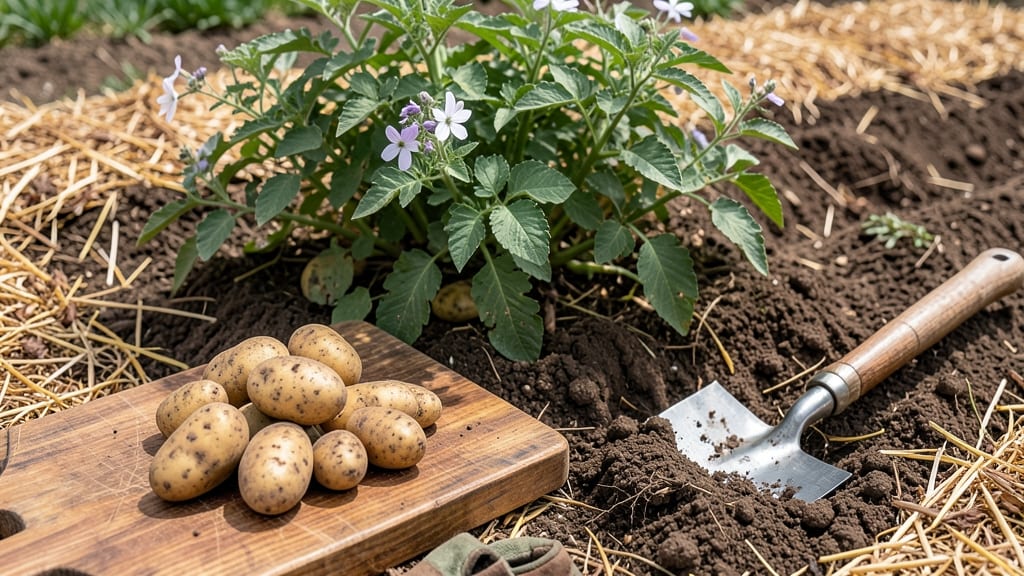
When do you plant the potatoes in Colorado isn’t just about the calendar—it’s about beating frost at 3,000 feet or surviving 10,000-foot winds. The wrong move could mean wasted seeds or stunted harvests, but get it right, and you’ll enjoy crisp, homegrown 🥔 from your garden all summer.
Colorado’s elevation zones create a tricky puzzle: lowland growers near Denver can plant as early as March, while mountain gardeners near Aspen might wait until May to avoid late frosts. The key isn’t just the date—it’s soil temperature and frost-free deadlines tailored to your exact elevation.
I’ve tested these strategies across Colorado’s diverse climate, and the results speak for themselves: earlier planting for fast-maturing varieties in warmer zones, and staggered schedules for high-altitude gardens. Let’s break down the exact windows and pro tips to ensure your potatoes thrive, no matter where you garden.
Whether you’re a first-time gardener or a seasoned pro, these adjustments will help you avoid common mistakes—like planting too deep or ignoring soil prep—and maximize your harvest. Ready to dig in?
Colorado potato planting deadlines by elevation zone (2024 guide)
Colorado’s three distinct elevation zones mean your potato planting window can vary by 1-2 months. Lowland areas like Denver (3,000–5,000 ft) have longer growing seasons, while high-altitude zones (8,000+ ft) demand earlier starts. Understanding these deadlines helps you avoid late frosts that can devastate young plants.
For all elevations, aim to plant when soil temperatures reach 45°F (7°C)—a critical threshold for tuber formation. Use a soil thermometer to verify, especially in high-altitude gardens where cold soils linger. This timing ensures your potatoes have 90–120 frost-free days to mature fully.
Here’s your elevation-specific planting timeline for Colorado’s 2024 growing season, based on Colorado State University extension data and local farmer reports:
| Elevation Zone | Last Frost Date (Avg.) | Ideal Planting Window | Soil Temp Requirement | Notes |
|---|---|---|---|---|
| Lowland (3,000–5,000 ft) | April 20–May 5 | April 15–May 15 | 45–50°F (7–10°C) | Longest season; can plant late varieties like Yukon Gold. |
| Mid-Elevation (5,000–8,000 ft) | May 10–June 1 | April 20–May 10 | 50–55°F (10–13°C) | Use row covers for early starts; risk of late May frosts. |
| High-Altitude (8,000+ ft) | June 1–15 | April 25–May 5 | 55–60°F (13–16°C) | Start indoors or use black plastic mulch to warm soil. |
In lowland Colorado, like Denver or Colorado Springs, you can push the envelope with late May plantings for 120-day varieties, but always monitor weather forecasts. The National Weather Service provides frost alerts—bookmark their Denver/Boulder or Grand Junction pages for real-time updates.
For mid-elevation gardens (e.g., Fort Collins or Boulder), stagger your plantings in 2-week intervals to extend your harvest. Start with early varieties like Red Pontiac (90 days) in late April, then add Yukon Golds (110 days) in early May. This strategy mitigates blight risks from Colorado’s humid summers.
High-altitude growers in Aspen or Leadville face the toughest conditions. If your soil stays below 50°F (10°C) past May 15, consider container growing with heated seedling mats or plant only early varieties like Kennebec (85 days). These potatoes tolerate cooler soils and shorter seasons better than waxy types.
Pro tip: Test your soil’s drainage before planting. Colorado’s clay-heavy soils in eastern plains can suffocate potato tubers. Amend with compost or sand to improve aeration, especially in lowland areas where waterlogging is a risk after spring rains.
Missed the spring window? Colorado’s fall planting is possible in lowland zones (3,000–5,000 ft) for early harvests next spring. Plant seed potatoes in late August for a 90-day crop before winter sets in. This trick works best with cold-hardy varieties like Russian Banana or Purple Viking.
Remember: Frost dates shift yearly. Use Colorado’s PlantTalk Colorado app or check local Cooperative Extension offices for updated frost-free date maps. With the right timing, you’ll turn Colorado’s challenging climate into a potato-growing powerhouse.
How to adjust planting dates for early vs late varieties in Colorado
Colorado’s short growing season demands smart variety selection. Early-maturing potatoes (90 days) give you flexibility, while late varieties (120+ days) reward patience with bigger yields—but only if planted early enough. The key is matching your planting date to your potato’s maturity and your elevation zone.
For lowland Colorado (3,000–5,000 ft), you can stretch your season by planting late varieties like Yukon Gold (110 days) as late as May 15. These spuds need 90–120 frost-free days, so aim to harvest by late September before early October frosts arrive.
Early varieties like Red Pontiac (90 days) can handle late May plantings for a harvest by August.
Here’s how to stagger your plantings for a continuous harvest, regardless of elevation:
- 🌱 Week 1 (April 15–20): Plant early varieties (90 days) like Red LaSoda or Kennebec in lowland zones. These mature by July 15, avoiding summer blight risks.
- 🌿 Week 3 (April 25–May 5): Add mid-season varieties (100–110 days) like Yukon Gold in mid-elevation (5,000–8,000 ft). Harvest by August 15.
- 🥔 Week 5 (May 10–20): Plant late varieties (120+ days) like Russet Burbank only in lowland zones. Aim for harvest by October 1 before frosts.
- ⚠️ Week 7 (May 25–June 5): Skip late plantings in high-altitude (8,000+ ft). Focus on container growing with early varieties.
Colorado’s humid summers increase blight risks, especially for late-maturing varieties. To minimize damage, avoid planting after June 1 in mid-elevation zones or after May 15 at higher elevations.
Instead, opt for staggered harvests by planting every 2 weeks in spring, ensuring at least one variety matures before blight peaks (usually July–August).
For high-altitude gardens, prioritize early varieties that tolerate cooler soils. Fingerling potatoes like Purple Viking (85 days) or Adirondack Blue (90 days) thrive in shorter seasons and resist cold soil stress.
If you’re tempted to plant late varieties, use black plastic mulch to warm soil 5–10°F faster than bare ground.
Pro tip: Chit your seed potatoes (sprout them indoors) 4–6 weeks before planting to jumpstart growth. This 2–3 week head start compensates for Colorado’s cool springs, especially in high-altitude zones where soil warms slowly. Place seed potatoes in a bright, cool spot (50–60°F) for best results.
Missed the spring window? Fall planting works in lowland Colorado for early spring harvests. Plant cold-hardy varieties like Russian Banana (90 days) in late August for a harvest by late November or store them in a cool, dark place until spring.
Just be prepared to mulch heavily to protect tubers from freeze-thaw cycles.
Remember: Variety selection is your secret weapon. Early varieties buy you time, while late varieties reward boldness—but only in lowland zones. Always check your local frost dates and count backward from your first expected frost to determine your last planting deadline.