
Plants
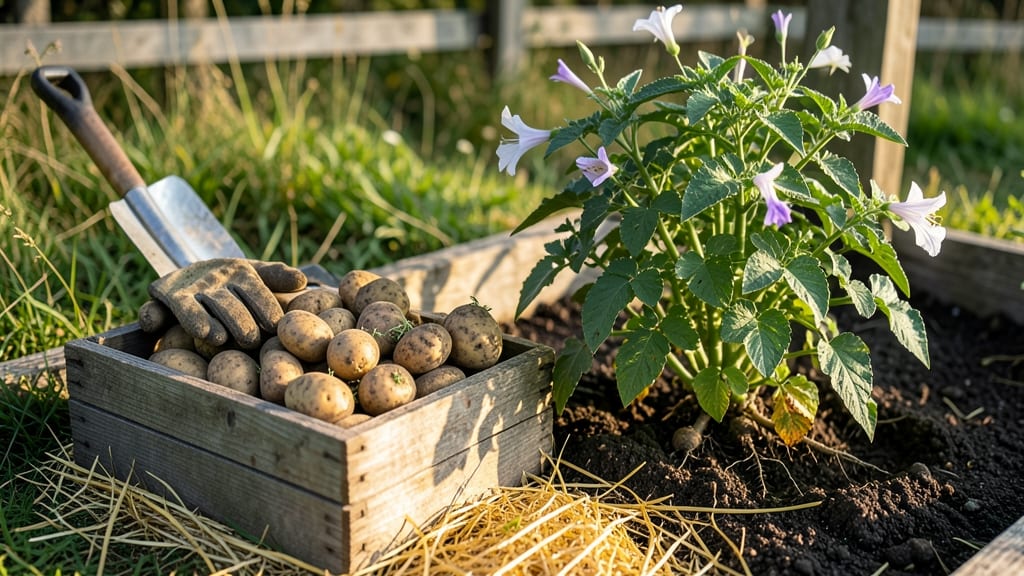
Planting potatoes in Virginia isn’t just about tossing seed potatoes into the ground—it’s about timing them perfectly to avoid stunted growth or disease. With the state’s diverse USDA zones 7a-8a and shifting frost dates, getting it right means the difference between a bountiful harvest and wasted effort.
Most gardeners focus on frost dates, but the real secret lies in soil temperature. Potatoes thrive when the ground warms to 45°F-55°F, which typically lands in February or March for Virginia’s coastal regions, while inland areas may wait until late March or early April.
Missing this window can leave your 🥔 vulnerable to rot or slow growth.
In this guide, I’ll break down the exact planting schedule for Virginia’s microclimates—from Richmond’s Piedmont to the cooler Blue Ridge Mountains—so you can adjust based on your location.
You’ll also learn how to spot the signs of perfect planting conditions and avoid common mistakes that derail even the most eager gardeners.
Ready to grow potatoes that outperform store-bought? Let’s dive into the step-by-step timing that’ll give you crisp, flavorful spuds from June to July.
Virginia potato planting dates by soil temperature (not just frost dates!)
Planting potatoes in Virginia isn’t just about avoiding frost—it’s about soil temperature. Cold soils below 45°F (7°C) slow sprouting, while waiting too long risks late blight in humid Piedmont regions.
The key is planting when soil warms to 45°F–55°F (7°C–13°C), even if frost lingers. Virginia’s USDA zones 5b–8a create regional variations, so let’s break it down by climate zone.
Most Virginia gardeners plant between February and early April, but timing shifts from the Coastal Plain (warmer, earlier) to the Blue Ridge Mountains (cooler, later). For example, Norfolk’s sandy soils warm faster than Shenandoah Valley’s clay-rich soil.
Use a soil thermometer to confirm readiness—don’t guess! Planting too early in cold soil stunts roots, while waiting too long invites pests and disease.
Here’s the critical rule: Aim to plant 2–4 weeks before your last frost date, but only when soil hits 45°F. In Zone 7a (Richmond), that’s typically mid-March; in Zone 5b (Roanoke), it’s late March to early April.
Mountain zones (like Zone 6b in Blacksburg) may need to wait until April. Virginia Tech Extension data shows 30% higher yields when planted at optimal soil temps.
| Virginia Region | USDA Zone | Ideal Planting Window | Soil Temp Threshold | Key Varieties |
|---|---|---|---|---|
| Coastal Plain (Norfolk, Hampton) | 8a | Late Feb–Early March | 45°F–50°F (7°C–10°C) | Yukon Gold, Red LaSoda |
| Piedmont (Richmond, Charlottesville) | 7a–7b | Mid–Late March | 48°F–52°F (9°C–11°C) | Kennebec, Purple Viking |
| Valley & Ridge (Roanoke, Staunton) | 6a–6b | Late March–Early April | 50°F–55°F (10°C–13°C) | Adirondack Red, Fingerling |
| Blue Ridge Mountains (Blacksburg, Abingdon) | 5b–6a | Early–Mid April | 52°F–55°F (11°C–13°C) | Russet Burbank, Red Pontiac |
Why does soil temperature matter so much? Potatoes are cool-season crops, but they won’t sprout below 45°F. Once planted, they need consistent warmth to develop tubers. In Virginia’s humid climate, waiting too long increases late blight risk—especially in the Piedmont.
Test your soil with a thermometer at 6-inch depth, the depth where roots form. If it’s below 45°F, wait.
Pro tip: Use black plastic mulch to warm soil faster in cooler zones. Lay it down 1–2 weeks before planting to raise soil temps by 5–10°F. This trick is a game-changer for Zone 6b gardeners who struggle with late frosts.
Pair it with straw mulch after sprouting to retain moisture and suppress weeds. Virginia’s clay-heavy soils benefit from compost amendments too—aim for 2–3 inches mixed in before planting.
For second-crop potatoes, plant late varieties (100–120 days to harvest) in late May to early June, after the first harvest. This works in Zone 7a and warmer, but avoid it in Zone 6b or cooler—summer heat stresses tubers.
Stick to early varieties (60–90 days) for main crops, like ‘Early Rose’ or ‘Red Norland’, which mature before Virginia’s humid summer sets in.
One common misconception is that you can plant potatoes as soon as the ground is workable. Wrong! Workable soil (e.g., after a hard frost)
Virginia potato planting dates by soil temperature (not just frost dates!)
Virginia’s diverse climate—from the Coastal Plain to the Blue Ridge Mountains—means your potato planting timeline should depend on soil temperature, not just frost dates. While many gardeners focus on last frost averages (typically March 15 in most regions), potatoes need warmer soil (45°F–55°F) to sprout reliably.
Cold, wet soil can rot seed potatoes before they even grow. Here’s how to time it right for your Virginia zone.
Use a soil thermometer to check depth (4–6 inches). In USDA Zone 7a (Richmond, Charlottesville), aim for mid-February to early March.
Warmer Zone 8a (Norfolk, Virginia Beach) can start as early as late January, while cooler Zone 5b (Roanoke’s higher elevations) may need to wait until late March. Pro tip: Test soil in the morning—it’s cooler then and gives you a buffer for evening drops.
| Virginia Region | USDA Zone | Ideal Planting Window | Soil Temp Threshold |
|---|---|---|---|
| Coastal Plain (Norfolk, Virginia Beach) | 8a | Late January–Mid-February | 45°F–50°F |
| Piedmont (Richmond, Charlottesville) | 7a–7b | Mid-February–Early March | 48°F–52°F |
| Mountains (Roanoke, Blacksburg) | 5b–6a | Late March–Early April | 50°F–55°F |
Virginia Tech Extension data shows that planting too early (before soil warms) increases rot risk by 40%—especially in clay-heavy soils like those in the Piedmont.
For example, in Zone 7a, planting in early February (when soil is 40°F) can delay harvests by 2–3 weeks compared to waiting until soil hits 50°F. If you’re unsure, use black plastic mulch to warm soil faster—it can add 5–10°F to soil temperature.
Don’t overlook microclimates within your region. A south-facing slope in the Shenandoah Valley might be 2–3 weeks ahead of a frost pocket in the Blue Ridge foothills.
Observe where frost lingers longest in your yard—this is where you’ll need to plant late or choose cold-tolerant varieties like ‘Kennebec’ or ‘Russet Norkotah’. These varieties can handle short-term frost after sprouting, giving you flexibility.
For container growing (common in urban Virginia gardens), warm soil faster by placing pots on black plastic trays or using heat mats. Containers also dry out quicker, so monitor moisture closely—especially in sandy soils found near the Coastal Plain.
Aim to plant 2–3 weeks earlier than in-ground potatoes to compensate for faster soil cooling in pots.
Pro tip: Chit your seed potatoes 4–6 weeks before planting by placing them in a bright, cool spot (60°F). This jumpstarts sprouting, giving you a 10–14 day head start on growth once soil is ready.
Just avoid chitting too early—if sprouts are 2+ inches long, they’ll be fragile when planted.