
Plants
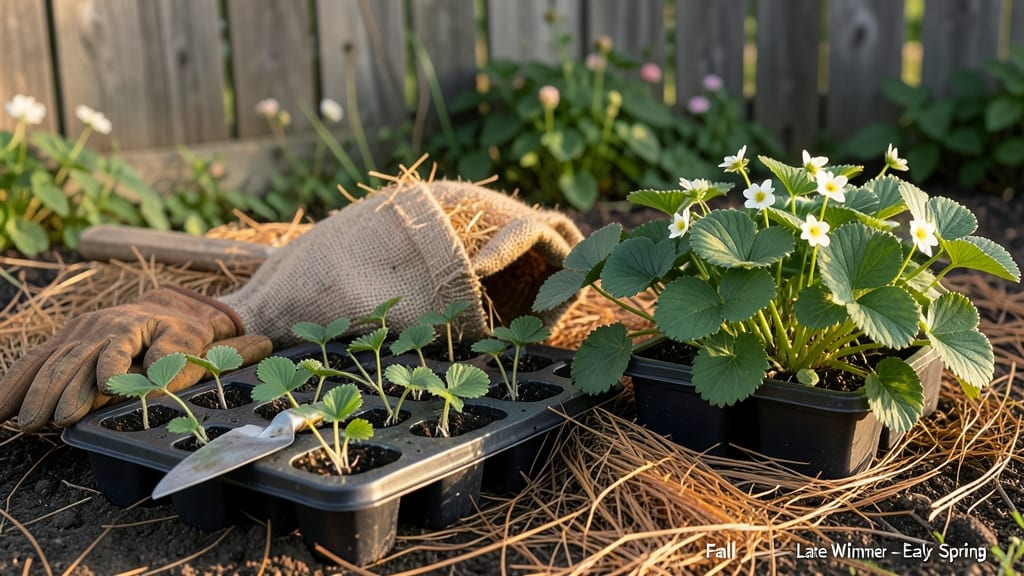
Planting strawberries in Louisiana isn’t just about timing—it’s about outsmarting the heat and humidity to get sweet, plump berries 🍓 year after year. The key? Knowing whether to plant in fall or spring, and which varieties thrive in your specific heat zone.
With Louisiana’s warm winters and long summers, most gardeners succeed by planting bare-root strawberries in September-October or switching to potted plants in February-March. This two-season strategy lets you avoid the brutal summer heat while still enjoying harvests from April through November.
But here’s the catch: not all strawberries handle Louisiana’s climate the same way. Some varieties wilt under midday sun, while others flourish with shade cloth. I’ll show you which ones to pick and exactly when to plant them for maximum yield—no guesswork, just proven results.
Ready to turn your backyard into a strawberry paradise? Let’s dive into the perfect planting schedule for your zone, plus pro tips to keep your berries thriving even when temperatures climb.
Louisiana strawberry planting calendar by heat zone (avoid frost & heat stress)
Timing your strawberry planting in Louisiana is all about beating the heat and avoiding frost damage. The state's USDA Zones 8a-9b allow for year-round growing potential, but the key is planting during cooler months when temperatures stay mild.
Most gardeners focus on fall and early spring windows to give plants time to establish before summer's intense heat arrives.
Unlike northern states, Louisiana's long growing season means you can skip traditional spring planting entirely if you prefer. The ideal window is actually September through October for fall-bearing varieties, which produce fruit the following spring.
This gives plants time to root deeply before summer's peak heat arrives in June and July.
For June-bearing varieties, February to early March planting works best. This timing ensures berries ripen by April or May, just as summer heat begins to stress plants.
The last average frost date in most of Louisiana is around January 15, so any planting after this date carries minimal frost risk.
Here's the month-by-month breakdown of when to plant strawberries in Louisiana, including heat stress warnings and optimal harvest windows:
| Planting Window | Best Varieties | Harvest Time | Key Considerations |
|---|---|---|---|
| Late August - September | Seascape, Camarosa, Sweet Charlie | April - June | Fall planting avoids summer heat; mulch heavily |
| October - November | Chandler, Diamond, Albion | May - July | Winter dormancy helps plants survive mild winters |
| February - Early March | Allstar, Honeoye, Jewel | April - May | Beat summer heat; use shade cloth after fruiting |
| Late March - April | Seascape, Tristar, Fort Laramie | June - August | Risky for heat stress; best for northern LA |
The September-October window is my top recommendation for Louisiana growers because it lets plants establish roots before summer's peak heat. Strawberries planted in fall often produce larger yields the following spring because they've had time to develop a strong root system during the cooler months.
If you're growing everbearing varieties like Seascape, you can actually plant twice a year in Louisiana—once in fall for spring harvests and again in early spring for summer production. The trick is to use shade cloth during summer months to protect berries from sunscald and maintain sweetness.
For container growing, timing shifts slightly. Potted strawberries can handle spring planting up to April because containers warm up faster and provide better drainage. However, fall planting in containers still works best for overwintering success in Louisiana's mild winters.
One common mistake Louisiana gardeners make is planting too late in spring. By May, daytime temperatures often exceed 90°F, which stresses young plants. If you miss the fall window, consider starting plants indoors in January for an early spring transplant.
Remember that Louisiana's humid climate means fungal diseases like gray mold and powdery mildew are constant threats. Planting at the right time—when humidity is lower—gives plants a better chance to resist these issues. Always choose disease-resistant varieties for your Louisiana garden.
Best strawberry varieties for Louisiana’s climate & when to plant them
Choosing the right strawberry varieties for Louisiana’s humid, heat-prone climate can make or break your harvest. The best varieties thrive in USDA Zones 8a-9b while resisting fungal diseases and heat stress.
My top recommendation? Start with everbearing or day-neutral varieties like Seascape or Camarosa—they produce fruit twice a year and handle Louisiana’s summers better than June-bearing types.
For spring harvests, plant June-bearing varieties like Chandler in February-March. These need cooler temps to fruit, so timing is critical. If you want year-round production, day-neutral varieties like Seascape planted in fall or spring will keep bearing until frost.
The key is matching the variety’s fruiting habit to your planting window.
Here’s how the top Louisiana-approved varieties stack up for heat tolerance, disease resistance, and ideal planting times:
For container growing in Louisiana, Seascape and Albion are my top picks because they tolerate heat and humidity better than others. Plant them in large pots (12"+ diameter) with well-draining soil and move containers to shadier spots during peak summer afternoons.
If you’re growing in ground beds, raised beds with black plastic mulch can raise soil temps just enough to extend the growing season.
One variety to avoid in Louisiana’s heat is Jewel, a classic June-bearer that struggles with summer heat stress. Instead, opt for Chandler or Sweet Charlie, which handle our climate better.
If you’re planting bare-root plants, do it in fall (September-October) to give roots time to establish before summer. For potted plants, spring planting works too—just keep them well-watered and mulched.
Pro tip: If you want early spring harvests, plant Chandler in January under row covers to protect from light frosts. The trade-off? You’ll need to monitor for slugs and snails, which thrive in Louisiana’s damp winters.
Always choose disease-resistant varieties and rotate crops annually to prevent soil-borne diseases like verticillium wilt.
Remember, Louisiana’s humidity means airflow is critical. Space plants 18-24 inches apart and prune old leaves regularly to improve circulation. This simple step can cut fungal disease risk by 50%—a game-changer for Louisiana growers!