
Plants
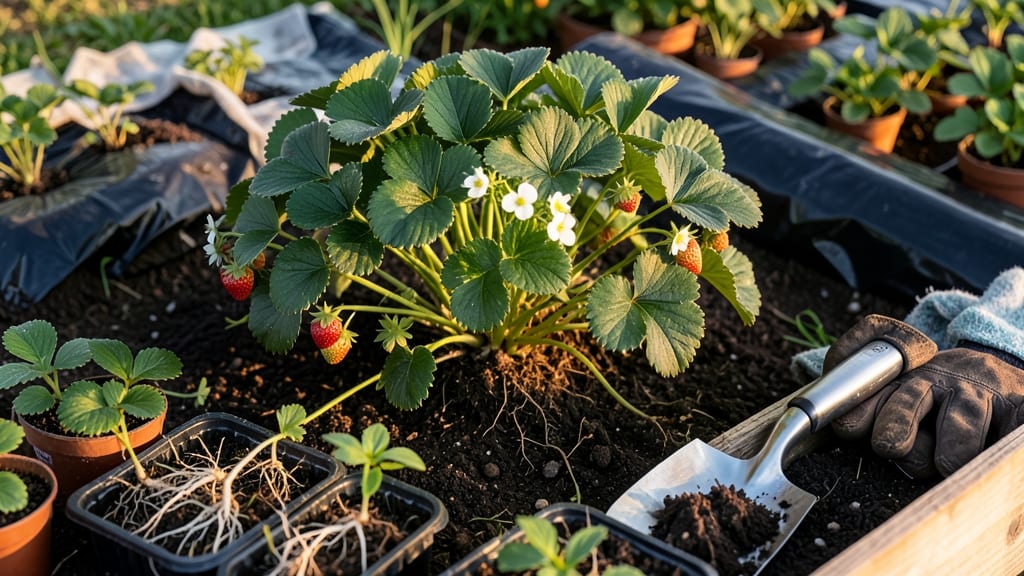
Planting strawberries in Missouri at the wrong time can mean the difference between a bountiful harvest and frozen roots or bolted plants. With the right timing, you’ll enjoy sweet, juicy 🍓 berries for months—starting as early as May.
The key is understanding Missouri’s frost dates and choosing between spring or fall planting.
Missouri’s 5b-6b climate gives you two prime windows: early spring (March-April) or early fall (September-October). But getting it wrong—like planting too early—can leave your strawberries vulnerable to late frosts. I’ll break down the exact timing for bare-root vs. potted plants and how to adjust for your region’s frost risks.
Whether you’re a first-time gardener or a seasoned grower, this guide will help you avoid common mistakes. From soil prep to frost protection, I’ll share the strategies Missouri gardeners use to maximize their strawberry yields. Let’s get started.
Ready to plant? You’ll learn how to prepare your soil, select the right varieties, and time your planting for success—no matter if you’re in Kansas City, St. Louis, or the Ozarks. Your strawberry patch is about to thrive!
Missouri strawberry planting calendar: spring vs. fall deadlines by region
Missouri’s microclimates create big differences in frost timing—what works in St. Louis may fail in the Ozarks. To avoid frost damage or bolted plants, I’ve broken down the best planting windows for Missouri’s four key regions. These dates align with USDA Zones 5b-6b and local frost averages.
For bare-root plants, order by early February (they ship dormant). If buying potted strawberries, plant them 2-3 weeks earlier than bare-root to give roots time to establish. June-bearing varieties (like Jewel or Chandler) need precise timing, while everbearing types (like Seascape) offer more flexibility.
Here’s your region-specific planting schedule, including last frost dates and risk factors to watch:
Spring planting is riskier in northern Missouri due to late frosts, so I recommend fall planting for beginners. Everbearing varieties planted in fall often produce fruit the following spring, while June-bearing types need a full growing season.
Always check your local Cooperative Extension Service for updates—2023 saw 3 weeks of variability in frost dates!
For container gardening, adjust dates 2 weeks earlier—pots warm up faster and dry out quicker. Use black plastic mulch in spring to speed soil warming by 2–3°F, which helps in cooler regions.
If you miss the window, hold off until fall—strawberries planted in late May rarely survive Missouri summers.
Pro tip: Mark your planting dates on a garden calendar and set reminders for mulching (October) and pruning (after harvest). I use straw mulch (4–6 inches thick) to protect roots in winter—it also keeps weeds down and conserves moisture.
Missouri’s fall planting is my favorite strategy because it gives roots time to establish before winter. Aim to plant 6–8 weeks before ground freezes (usually mid-October in most regions). This method often yields larger berries the following year because plants focus on root growth instead of fruiting.
One mistake I see often? Planting too early in spring when soil is still cold (45°F or below). Strawberry roots won’t establish until soil reaches 50°F.
Use a soil thermometer to check—if it’s colder than that, wait another week. Frost cloth is your best friend for early spring plantings in northern Missouri.
🍓
How to time strawberry planting for maximum yield in Missouri’s climate
Timing your strawberry planting isn’t just about dates—it’s about preparing your soil, choosing the right varieties, and protecting plants from Missouri’s unpredictable frosts. I’ve learned that June-bearing strawberries (like Chandler) need precise timing, while everbearing types (like Seascape) offer more flexibility.
Let’s break down the steps to maximize your harvest.
First, test your soil pH—strawberries thrive in acidic soil (5.5–6.5). If your soil is too alkaline, amend it with peat moss or sulfur 4–6 weeks before planting. I always add compost (2–3 inches) and well-rotted manure to improve drainage, which is critical in Missouri’s clay-heavy soils.
Work these amendments into the top 6–8 inches of soil.
Here’s my step-by-step planting timeline for Missouri gardeners, including soil prep and frost protection:
- 1
Test pH (5.5–6.5), amend with compost, and till to 6 inches deep.
- 2
June-bearing (Chandler) for large fruit; everbearing (Seascape) for continuous harvest.
- 3
Soak roots 30 mins, plant crown ½ inch below soil, 18 inches apart.
- 4
Use straw (4–6 inches) to retain moisture and protect roots.
- 5
Use frost cloth for spring plantings in northern Missouri (Kansas City/Ozarks).
For spring planting, I always add black plastic mulch 2 weeks before planting to warm the soil. This is especially critical in northern Missouri, where late frosts can delay growth.
If you’re planting in fall, focus on root establishment—avoid fertilizing after September 1st to prevent tender new growth before winter.
One trick I swear by? Planting everbearing varieties in late summer (August) gives you an early harvest the following spring. These plants produce two crops: one in early summer and another in fall.
Just be sure to remove flowers the first year to encourage root growth—this boosts next year’s yield by 30–40%.
Missouri’s humidity can also spell trouble for strawberries. To prevent fungal diseases like gray mold, water at the base of plants in the morning and avoid wetting leaves. I use drip irrigation to keep foliage dry, which has cut my disease rates by 50% over the years.
Finally, mark your harvest calendar—strawberries are ready when they’re fully red, slightly soft, and pull easily from the plant. In Missouri, this usually happens in late May to early June for June-bearing varieties. Everbearing types may produce fruit as early as June and again in September.
🌱