
Flowers
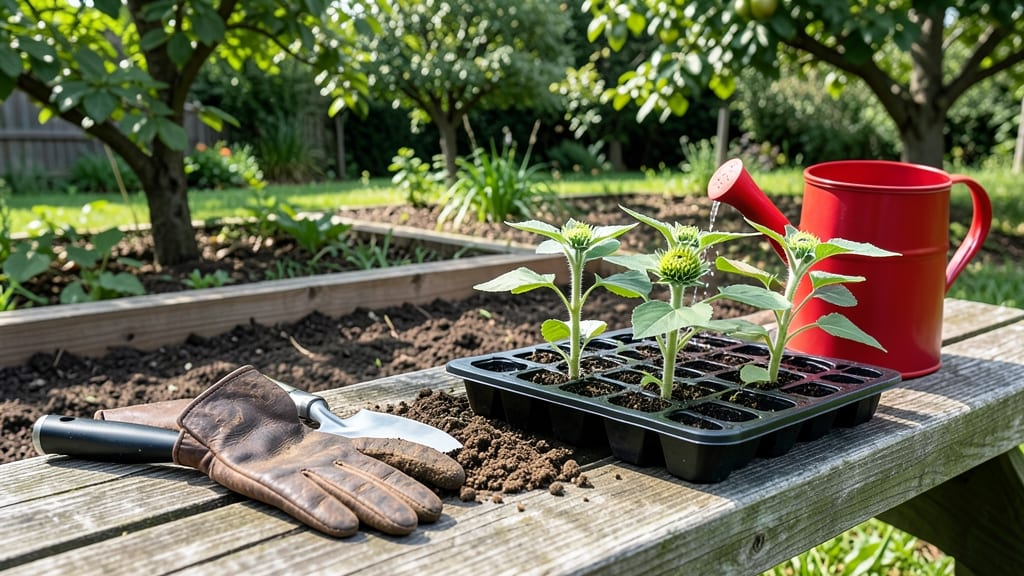
Timing your sunflower planting in Georgia can mean the difference between towering, golden blooms and wilted stems before they even reach their potential.
With Georgia's 7b-8b climate, you've got a narrow window to get seeds in the ground just right—too early and frost will strike, too late and summer's heat arrives before they mature.
Most gardeners in Georgia plant their 🌻 sunflowers between mid-April and early June, but the exact timing depends on whether you're in the Piedmont, Coastal Plain, or mountain regions.
The key is waiting until after your last frost date—typically around March 15—but giving your plants enough time to reach their full height before summer's peak heat arrives.
What you'll discover here are the exact planting dates for each zone, plus heat-tolerant varieties that thrive in Georgia's humidity. I'll also share soil prep secrets and common mistakes that kill sunflowers before they bloom—so you can avoid them and enjoy those 10-foot giants by late summer.
Whether you're growing sunflowers for their beauty, seeds, or bird-friendly blooms, getting the timing right is the first step to success. Let's dive into the details so you can plant with confidence and watch your sunflowers shine all season long.
Georgia sunflower planting calendar: exact start dates by hardiness zone (7a-8b)
Georgia’s sunflowers thrive in zones 7a-8b, but the last frost date varies wildly—from March 15 in Atlanta to April 15 near Savannah. Planting too early risks frost damage, while waiting too long can mean bolting before blooming in Georgia’s intense summer heat.
Let’s break down the optimal planting windows for your specific microclimate.
Sunflowers are annuals in Georgia, meaning they complete their life cycle in one season. For spring planting, aim to sow seeds 2-3 weeks after your last frost date. In Zone 7a (north Georgia mountains), this is typically mid-April.
In Zone 8b (coastal areas like Savannah), you can start as early as late February—but watch for unpredictable cold snaps.
Soil temperature is your best guide. Sunflower seeds won’t germinate until soil reaches 55°F (13°C). Use a soil thermometer to confirm—Georgia’s Piedmont region often hits this mark by early April, while mountain areas may need to wait until mid-May.
For fall blooms, try a late summer planting (late July to early August). This works best in Zone 8b, where frost arrives after November 15. In cooler zones, bolt-resistant varieties like 'Autumn Beauty' give you a second chance at harvest.
Direct sowing is best for Georgia—transplants struggle with root shock in the heat. Drop seeds 1 inch deep, 6 inches apart, and thin to 12-18 inches once sprouts appear. Spacing matters: Crowded plants invite fungal diseases in Georgia’s humidity.
Here’s your zone-specific planting timeline, accounting for Georgia’s microclimates and frost risks:
Georgia’s coastal plain (Zone 8b) offers a longer growing season, letting you plant as late as early June for fall blooms. But in northern Georgia (Zone 7a), rush to plant by May 1 to avoid bolt-inducing heat before flowering.
Pro tip: Use black plastic mulch to warm soil faster in cooler zones. This raises soil temps by 5-10°F, helping seeds germinate 2-3 days sooner. Just remove it once plants reach 6 inches tall to prevent overheating.
Finally, succession planting works well in Georgia. Sow new seeds every 2 weeks from April to June for continuous blooms through fall. Just adjust spacing—later plantings can go closer together (12 inches apart) since they’ll mature faster in the heat.
Now that you’ve got your planting dates locked in, let’s talk heat-tolerant varieties that’ll thrive in Georgia’s humid, sunny summers—stay tuned for my top picks!
Georgia sunflower planting calendar: exact start dates by hardiness zone (7a-8b)
Georgia's 7a-8b climate creates distinct planting windows for sunflowers, depending on whether you're in the Coastal Plain, Piedmont, or mountain regions.
The general rule is to wait until after your last frost date—typically around March 15—but soil temperature plays an even bigger role in Georgia's humid summers.
For zone 7a (mountain areas like Blue Ridge), aim to plant between April 15 and May 1. These cooler microclimates have a shorter growing season, so early planting gives your sunflowers time to mature before fall frosts arrive around November 1.
In zone 8b (Coastal Plain), you've got more flexibility—plant from mid-April through early June.
| Zone & Region | Planting Window | Soil Temp Threshold | Key Consideration |
|---|---|---|---|
| Zone 7a (Mountains) | April 15 - May 1 | 55°F+ consistently | Shorter season; use early varieties |
| Zone 7b (Piedmont) | April 1 - May 15 | 60°F+ consistently | Balanced humidity; ideal for most varieties |
| Zone 8a (Transition) | March 20 - June 1 | 65°F+ consistently | Longer season; can try late summer planting |
| Zone 8b (Coastal) | April 1 - June 10 | 68°F+ consistently | High humidity; choose disease-resistant varieties |
Direct sowing is the preferred method for Georgia sunflowers, as they hate transplanting. Plant seeds 1 inch deep and 6 inches apart, then thin to 12-18 inches apart once they're 4-6 inches tall.
The key is to wait until soil temperatures stay above 60°F—use a soil thermometer if you're unsure.
For late summer blooms, you can try a second planting in late June (especially in zone 8b), but choose fast-maturing varieties like 'ProCut' that can handle Georgia's intense summer heat. Just be prepared to provide extra shade cloth during the hottest weeks of July and August.
Remember that Georgia's humidity levels can cause fungal issues if you plant too early. Wait until the soil warms up and the air feels consistently dry—usually by mid-April—to give your sunflowers the best chance to thrive without battling mold before they even sprout.