
Plants
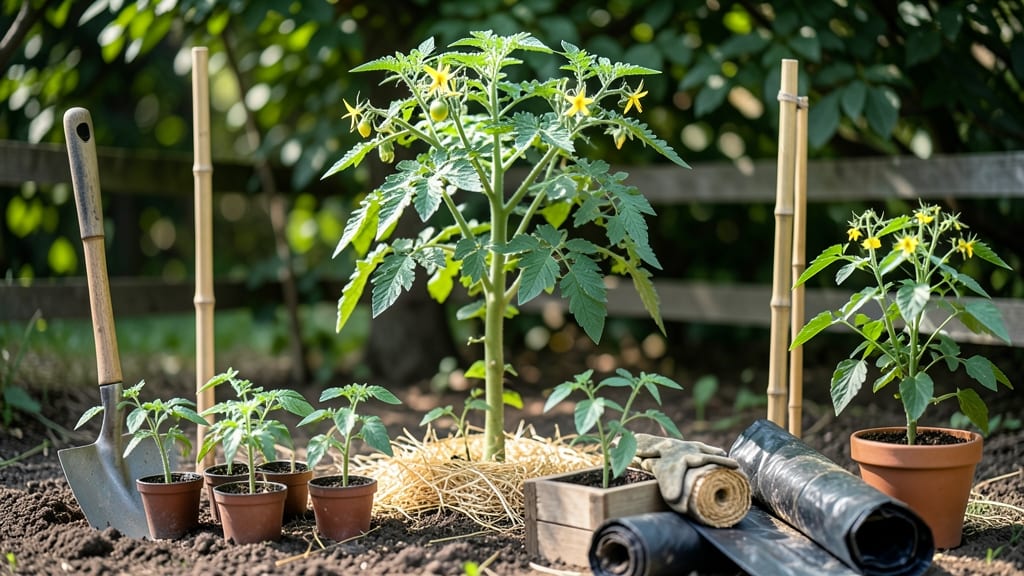
If you’ve ever planted tomatoes in South Carolina only to watch them wilt in the summer heat or struggle through a late frost, you’re not alone.
The key to a bountiful harvest lies in understanding the perfect planting windows—both for spring and fall—so you can avoid common pitfalls and enjoy fresh, homegrown 🍅 all season long.
South Carolina’s 7b-8a climate gives gardeners a unique advantage: two growing seasons for tomatoes. Whether you’re a first-time planter or a seasoned gardener, knowing when to start seeds indoors or transplant seedlings can mean the difference between a thriving garden and a disappointing one.
Let’s break down the ideal timing for both spring and fall planting, so you can maximize your yield without the stress.
Did you know that planting too early in spring can expose your tomatoes to frost, while waiting too long might leave you with scorched leaves? The solution? Start seeds indoors 6-8 weeks before your last frost date (mid-March) or transplant heat-tolerant varieties in late July for a fall harvest.
With the right varieties and a few insider tips, you can extend your growing season well into November.
Ready to transform your garden into a tomato paradise? I’ll walk you through the best planting dates, soil prep secrets, and even how to choose the right varieties for South Carolina’s heat. By the end, you’ll be harvesting juicy, vine-ripened tomatoes like a pro—no more guesswork, just delicious results.
Best planting times for tomatoes in South Carolina: spring vs. fall schedules
Getting your tomato planting timing right in South Carolina means the difference between a bumper crop and a sad, wilted plant. With USDA zones 7b-8a, we enjoy a long growing season, but our humid summers and unpredictable spring weather demand precise planning.
The key is planting when soil temperatures hit 60°F+ and the last frost date has passed—typically mid-March to early May for spring, with a backup window in late July to August for fall harvests.
For most of South Carolina, the optimal spring planting window opens after the average last frost date, which varies slightly by region.
In the Upstate (Zone 7b), you can start as early as mid-April, while coastal areas (Zone 8a) may wait until late April to early May.
This timing ensures your seedlings aren’t shocked by late frosts while giving them enough warm weather to thrive before summer’s peak heat arrives.
Here’s where it gets tricky: soil temperature matters more than air temperature. Tomatoes need warm soil to germinate and grow roots. Use a soil thermometer to confirm temperatures are consistently above 60°F—if not, your seeds may rot or seedlings will struggle.
In cooler years, consider black plastic mulch to warm the soil faster and give yourself an earlier start.
🌱 Tomato Planting Schedule for South Carolina
| Season | Planting Window | Soil Temp Requirement | Key Considerations |
|---|---|---|---|
| Spring | Mid-March to early May | 60°F+ | Wait for last frost; use row covers if needed |
| Spring (Late) | Early May to June 1 | 65°F+ | Best for heat-tolerant varieties; avoid summer planting |
| Fall | Late July to August | 60°F+ | Transplant seedlings; harvest before first frost (mid-Nov) |
| Fall (Extended) | Early September | 55°F+ | Use cold frames; choose fast-maturing varieties |
📅 Pro Tip: Check your local SC Extension Service frost dates for your exact county—microclimates can shift planting windows by weeks!
If you’re planting tomato seeds directly in the garden (rather than starting indoors), aim for April 15 to May 1 in most of SC. Seeds need consistent warmth to germinate, so avoid planting when nighttime temperatures dip below 50°F.
For container gardening, you can push these dates slightly earlier since pots warm up faster in the sun.
Don’t overlook the power of succession planting! In South Carolina’s climate, you can stagger plantings every 2-3 weeks from April through June to ensure a continuous harvest. This works especially well for cherry tomatoes or bush varieties, which mature faster than vining types.
Just be sure to space your plantings so all seedlings are ready to go in the ground at the same time.
For those who love a fall tomato harvest, late July to early August is your window. This timing lets you enjoy tomatoes when summer’s heat has eased, and you can protect young plants from late-season pests like hornworms or aphids with row covers or neem oil sprays.
Choose determinate varieties (like ‘Celebrity’) for fall—they ripen faster and handle cooler nights better than indeterminate types.
One common mistake? Planting too early and dealing with blossom drop when temperatures soar above 90°F. To avoid this, use shade cloth during heatwaves or opt for heat-tolerant varieties like ‘Solar Fire’ or ‘Heatmaster.’ These varieties can handle South Carolina’s humid summers without skipping fruit production.
Finally, remember that container gardening gives you more flexibility. Pots warm up faster in spring and can be moved to shaded areas during summer’s peak heat. Just ensure your containers have drainage holes and use a lightweight potting mix to prevent root rot in our rainy season.
With these timing tips, you’ll be well on your way to a bountiful tomato harvest—whether you’re enjoying slicing tomatoes in July or savoring late-season fruit in October. Happy planting! 🍅
Fall planting secrets: how to extend your tomato harvest beyond summer
Fall planting is my favorite trick for beating South Carolina’s heat and extending your tomato harvest well into autumn. While most gardeners focus on spring, late-season varieties planted in July or August can produce fruit until first frost—often through October or November.
The key is choosing heat-tolerant, fast-maturing varieties that can handle residual summer heat while adapting to cooler nights.
Timing is critical—plant too early, and your tomatoes will bolt in the heat; too late, and they won’t mature before frost. I’ve found that transplanting seedlings (rather than direct sowing) in late July to early August gives them the best shot at success.
This aligns with South Carolina’s USDA zones 7b-8a, where the growing season stretches longer than you’d expect.
🚨 CRITICAL WARNING: Fall-planted tomatoes need extra care to avoid blossom end rot and early blight. The transition from summer heat to cooler nights can stress plants, so soil prep and mulching are non-negotiable. Here’s what I do to protect my fall crop:
Fall Planting Pitfalls
❌ Overcrowding: Fall plants grow faster in warm soil—thin seedlings to 18-24 inches apart to prevent disease.
❌ Poor soil moisture: Use black plastic mulch to retain heat and water; avoid wetting leaves at night.
❌ Wrong varieties: Skip cherry tomatoes (they need more heat); opt for determinate types like 'Celebrity' or 'Better Boy'.
Before planting, I always amend the soil with compost and aged manure to replenish nutrients lost in summer. A 5-10-10 fertilizer applied at transplanting gives them a boost, and I follow up with a low-nitrogen feed every 4-6 weeks to prioritize fruit over foliage.
For containers, I use self-watering pots to prevent moisture stress—critical in South Carolina’s unpredictable late-summer rains.
Companion planting is another secret weapon. I surround my fall tomatoes with basil and marigolds to repel pests like hornworms and whiteflies, while onion and garlic nearby deter fungal diseases. A 3-inch layer of straw mulch keeps soil temperatures stable and reduces watering needs.
Pro tip: I harvest my fall tomatoes before the first hard frost (usually mid-November) to enjoy them at their peak flavor.
Don’t forget to prune suckers and stake or cage your plants early—fall tomatoes grow aggressively when conditions are right. If you’re in Zone 8a, you might even squeeze in a second fall crop by planting early-maturing varieties like 'Early Girl' in late August.
Just be prepared to protect plants with row covers if a light frost threatens.
With these strategies, I’ve harvested tomatoes well into December in my Charleston garden. The key is adapting your approach to South Carolina’s unique climate—where summer heat meets early autumn chill.
Start small, experiment with varieties, and soon you’ll be enjoying homegrown tomatoes long after your neighbors’ gardens have gone dormant. 🍅