
Plants
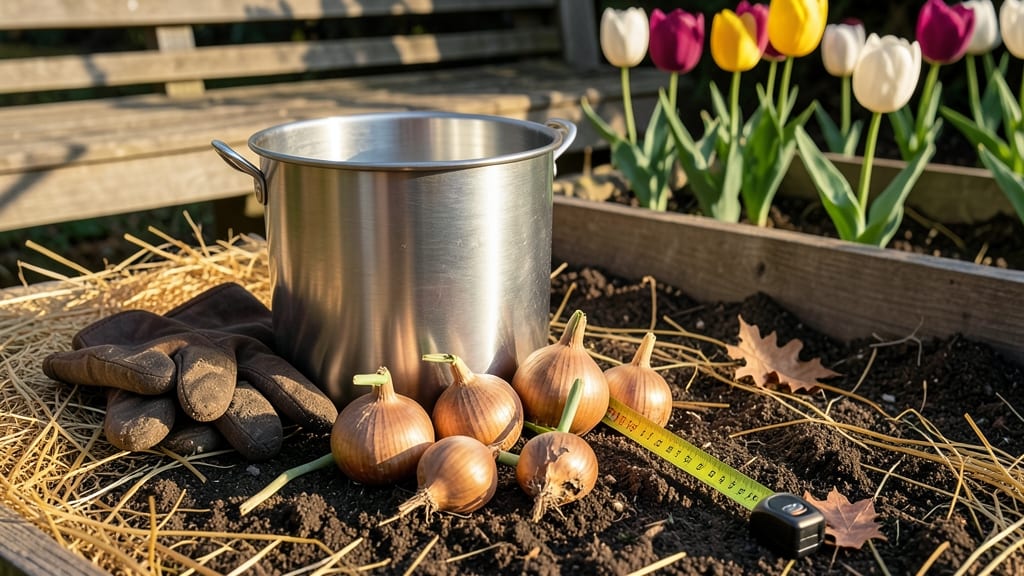
Planting tulip bulbs in Illinois at the wrong time could mean watching your hard-earned investment rot in the ground before spring—especially when frost dates and chill-hour needs collide.
The key to zero-frost success lies in matching your planting window to Illinois' USDA Zones 5-6, where temperatures can swing wildly between October and November.
Most gardeners assume "fall planting" means a broad window, but in Illinois, timing is everything. Too early, and your 🌷 tulips might sprout before winter sets in. Too late, and they won’t get enough cold exposure to bloom.
The sweet spot? Planting when soil temps hit 50°F—typically 4-6 weeks before the ground freezes, which in Illinois usually lands between mid-October and early November.
I’ve seen firsthand how a 2-week difference can turn a vibrant spring display into a sad, frost-bitten mess. That’s why I’m breaking down the exact chill-hour requirements for Illinois tulips—so you can avoid common mistakes and get blooms that steal the show every April and May.
Ready to master the timing? Let’s dive into how to align your planting with Illinois’ climate quirks, from soil prep to protecting your bulbs from late-season freezes. Your future spring garden will thank you.
Illinois tulip planting timeline: chill-hours vs. frost dates
Timing is everything when planting tulip bulbs in Illinois, where USDA Zones 5-6 bring unpredictable frost cycles and 3,000-5,000 chill hours—the perfect conditions for tulips, but only if you plant them correctly.
The key is matching your bulbs' chill-hour requirements with Illinois' fall frost dates, which vary dramatically between northern Chicago (Zone 5) and southern St. Louis (Zone 6).
Most tulip varieties need 12-16 weeks of cold temperatures below 40°F (4°C) to bloom properly. In Illinois, this typically means planting between mid-October and mid-November, but exact timing depends on your location.
Plant too early, and bulbs may sprout prematurely before winter sets in. Plant too late, and they won’t get enough chill hours to flower.
Here’s the critical window: 6-8 weeks before the ground freezes. For most of Illinois, this lands in late October, but gardeners in Zone 5 (north) should aim for early October, while those in Zone 6 (south) can wait until mid-November.
Always check your local first frost date—Chicago’s average is October 22, while St. Louis’ is around November 5.
Soil temperature is just as important as air temperature. Tulip bulbs need the ground to be below 60°F (15°C) but not yet frozen. In Illinois, this usually happens in October, but a warm fall can delay it.
Use a soil thermometer to confirm—plant when temps consistently drop below 60°F at 4-inch depth.
One common mistake? Planting in September because bulbs are available early. While possible, this risks premature sprouting before winter, which weakens the bulb. If you must plant early, choose late-September only in Zone 6 and protect the bed with straw mulch to delay sprouting until winter.
| Region | USDA Zone | Avg. First Frost | Ideal Planting Window | Soil Temp Threshold |
|---|---|---|---|---|
| Northern Illinois (Chicago) | Zone 5 | Oct 22 | Early Oct - Mid-Nov | Below 60°F (15°C) |
| Central Illinois (Peoria) | Zone 5b | Oct 28 | Late Oct - Early Nov | Below 60°F (15°C) |
| Southern Illinois (St. Louis) | Zone 6 | Nov 5 | Mid-Oct - Mid-Nov | Below 60°F (15°C) |
Pro tip: Use a planting calendar or local extension service (like the University of Illinois Extension) for real-time updates. They track chill hours and adjust recommendations yearly. For example, in 2023, a warm October pushed Chicago’s planting window 2 weeks later than average.
Another critical factor is late-season frost. Even after planting, a sudden cold snap in December or January can damage emerging shoots. To protect your tulips, apply 2-3 inches of mulch (straw or shredded leaves) after planting.
This insulates the soil and prevents frost heave, where bulbs are pushed out of the ground by freezing and thawing cycles.
If you’re in doubt about timing, err on the later side. Bulbs planted in November (even late November) will still bloom beautifully the following spring, provided they’ve had enough chill hours.
The only exception is early-blooming varieties, like 'Early Harbinger', which need fewer chill hours and can tolerate slightly later planting.
Remember: No blooms next spring? It’s almost always a chill-hour mismatch, not poor soil or bulb quality. By aligning your planting with Illinois’ frost dates and chill requirements, you’ll guarantee vibrant tulips year after year—no guesswork needed. 🌷
Step-by-step tulip planting guide for Illinois gardens
Now that you’ve nailed down the perfect planting window for your Illinois garden, let’s get into the step-by-step process to ensure your tulip bulbs thrive.
The difference between a vibrant spring display and a disappointing failure often comes down to these key steps: soil prep, bulb depth, spacing, and post-planting care. I’ll walk you through each one with Illinois-specific tips to avoid common pitfalls.
First, prepare your soil bed. Tulips love well-draining soil with a pH between 6.0 and 7.0. In Illinois, where clay soil is common, amend the area with 2-3 inches of compost or aged manure mixed into the top 6 inches of soil.
This improves drainage and provides nutrients for next spring’s blooms. Avoid fresh manure—it can burn bulbs and cause rot.
Next, choose your planting location. Tulips thrive in full sun (6+ hours daily), but in Illinois’ hot summers, morning sun with afternoon shade can prevent wilting. If planting near trees or shrubs, select a spot where roots won’t compete for moisture.
Clear away any weeds or grass, as they’ll steal nutrients from your bulbs.
-
Step 1: Soil Prep
Loosen soil to 12 inches deep with a fork. Mix in compost for drainage.
-
Step 2: Planting Depth
Plant bulbs 6-8 inches deep (twice the bulb height). Deeper in Zone 5 to protect from frost heave.
-
Step 3: Spacing
Space bulbs 4-6 inches apart for small varieties, 8-12 inches for standard types.
-
Step 4: Watering
Water deeply after planting to settle soil. Keep soil moist but not soggy for 2 weeks.
-
Step 5: Mulching
Apply 2-3 inches of mulch (straw or leaves) to insulate bulbs and prevent frost heave.
When planting, place bulbs pointy end up, 6-8 inches deep—deeper in Zone 5 to shield them from frost heave, where freezing/thawing cycles push bulbs out of the ground.
Space bulbs 4-6 inches apart for small varieties (like 'Tiny Star') and 8-12 inches for standard types. This prevents overcrowding and ensures each bulb gets enough nutrients.
After planting, water deeply to settle the soil and encourage root growth. Keep the area moist but not waterlogged for the first 2 weeks. Overwatering in fall can lead to rot, especially in Illinois’ wet climates.
Once the ground freezes, reduce watering—tulips enter dormancy and don’t need moisture until spring.
Protect your bulbs from voles and late-season frost with a 2-3 inch layer of mulch (straw or shredded leaves). This also helps regulate soil temperature and prevents frost heave.
If you’re in Zone 5, consider adding a lightweight frost blanket over the bed in December if temperatures drop below 10°F (-12°C).
Finally, mark your tulip bed with stakes or flags so you don’t accidentally dig them up in spring. In Illinois, tulip foliage often emerges in March, and leaving it to yellow naturally ensures the bulb stores energy for next year’s blooms.
If you can’t resist cutting flowers, leave half the foliage until it browns completely.
By following these steps, your tulips will emerge strong and healthy next spring, ready to brighten your garden with bold colors and effortless beauty. 🌷