
Plants
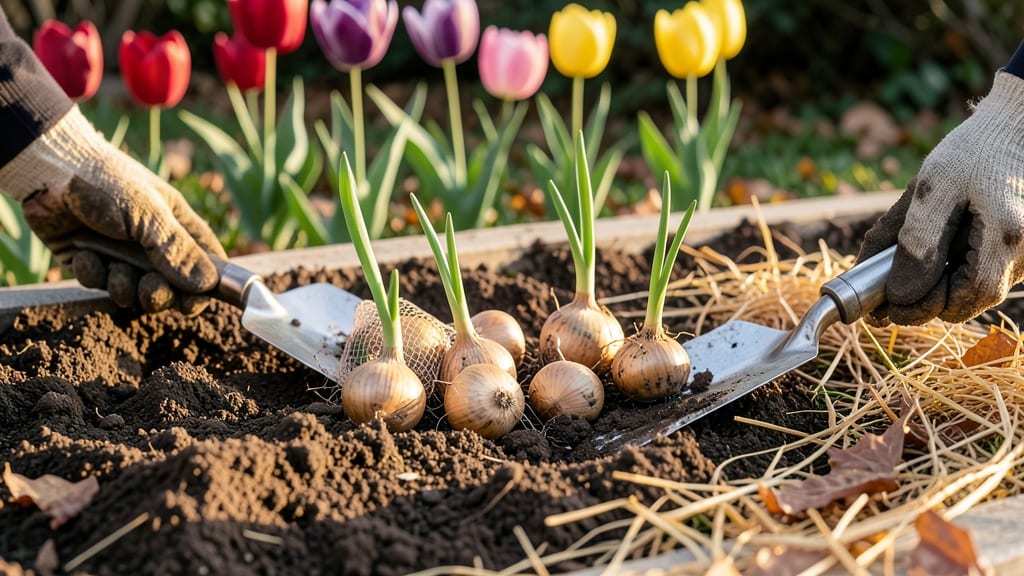
Planting tulip bulbs at the wrong time in New Jersey can mean the difference between a stunning spring display and wasted effort. The perfect window—October through November—gives your 🌷 bulbs time to root before winter sets in, ensuring vibrant blooms next year in Zones 6b-7a.
But here's the catch: timing isn't just about the calendar—it's about the first frost. In NJ, that typically lands around mid-November, so you've got about 6-8 weeks to get those bulbs in the ground before Mother Nature puts the brakes on growth.
Miss this window, and your tulips might not make it through the winter.
Don't worry if you're new to this—even experienced gardeners sometimes get it wrong. I'll walk you through exactly when to plant, how deep to bury those bulbs, and what to watch for in NJ's unpredictable fall weather.
By the end, you'll know the exact steps to guarantee a garden full of color next spring.
Ready to transform your yard? Let's dive into the science of planting tulips in New Jersey, so you can enjoy those cheerful blooms without the guesswork. Your future self will thank you when those first 🌷 peeks through the soil next April!
New Jersey’s exact tulip bulb planting window by Zone (6b vs 7a)
Timing is critical when planting tulip bulbs in New Jersey, where USDA Zones 6b and 7a bring slightly different frost risks.
In Zone 6b, the average first frost hits around November 15, while Zone 7a can stretch planting until mid-December—but only if soil temps stay above 40°F. Miss this window, and your bulbs may rot in soggy soil or fail to root before winter.
For both zones, aim to plant 6-8 weeks before the ground freezes. In Northern NJ (Zone 6b), that’s typically October 15–November 1. In Southern NJ (Zone 7a), you’ve got a little more flexibility until November 15–December 1.
Check your local frost dates—the National Weather Service or NJ State Climate Office can help fine-tune your schedule.
Soil temperature is your best guide. Tulip bulbs need soil at 50–60°F to root properly. Use a soil thermometer to confirm—if temps drop below 40°F, bulbs may not establish roots before winter dormancy. In late fall, this usually means planting by early November in most of NJ.
Pro tip: If you’re in Zone 6b and November arrives early (like in 2020), don’t wait—plant by October 20 to avoid risks. In Zone 7a, you can sometimes squeeze in December planting, but only if the ground hasn’t frozen solid.
A 3-inch layer of mulch can extend your window by protecting bulbs from freezing.
Here’s how to adjust for unpredictable NJ weather: If rain delays your planting, focus on drainage first—tulips hate soggy soil. If early snow hits, cover planted bulbs with straw or leaves to insulate them until spring.
The key is to get bulbs in the ground before the soil freezes, not before the calendar flips to December.
Don’t let late fall weather throw you off. If unseasonably warm temps linger into December, you can still plant—just monitor soil moisture. Tulips need consistent moisture to root, but waterlogged soil will rot bulbs faster than frost will kill them.
In Zone 6b, prioritize planting by Halloween for safety; in Zone 7a, you might get away with Thanksgiving planting if the ground stays workable.
For container gardening, the rules shift slightly. Potted tulips can be planted 2–4 weeks later than in-ground bulbs because containers warm up faster. If you’re using black plastic pots, they’ll absorb heat longer, giving you a 10–14 day extension in Zone 7a.
Just move pots to a protected spot (like a garage or shed) if freezing temps are forecasted before Christmas.
Remember: The earlier you plant, the stronger the roots before winter. Bulbs planted in October often produce larger blooms the following spring because they’ve had more time to establish.
If you’re unsure, err on the side of planting early—you can always add more bulbs later, but you can’t replant if the ground freezes.
Protect your investment with a 3-inch layer of mulch after planting. Straw or shredded leaves work best—they insulate bulbs from temperature swings and retain moisture. In Zone 6b, this extra layer can push your planting window back by 1–2 weeks if early frost threatens.
Just remove the mulch in early spring (March) to prevent rot from excess moisture.
How to prepare your garden bed for tulip bulbs in late fall
Preparing your New Jersey garden bed in late fall is the secret to healthy tulip bulbs that bloom like crazy next spring. Start by testing your soil pH—tulips thrive in neutral to slightly acidic soil (pH 6.0–7.0).
If your soil is too alkaline, mix in compost or peat moss to adjust it naturally.
Next, focus on drainage. Tulip bulbs rot in soggy soil, so amend heavy clay soil with organic matter like compost or coarse sand. For rocky areas, dig a 6-inch-deep trench and fill it with a mix of topsoil and compost before planting.
Fresh manure can burn tulip bulbs and attract pests. Use aged compost or well-rotted manure instead to feed your soil without harming the bulbs.
Before planting, loosen the soil to a depth of 12 inches with a garden fork or tiller. This helps roots establish and prevents compaction. If your soil is sandy, add a layer of mulch after planting to retain moisture and regulate temperature.
Choose a sunny location with at least 6 hours of sunlight daily. Tulips need full sun to produce vibrant blooms, so avoid shady spots. If your yard is partially shaded, opt for dwarf tulip varieties like 'Tiny Tim' that tolerate lighter conditions.
Finally, mark your planting spots with stakes or flags to avoid disturbing the bulbs later. This is especially helpful in snowy NJ winters when digging becomes tricky. A little prep now means stunning tulips next spring!
Don’t forget to water deeply after planting to settle the soil around the bulbs. Aim for 1 inch of water weekly until the ground freezes—this ensures the bulbs get off to a strong start before winter dormancy.