
Plants
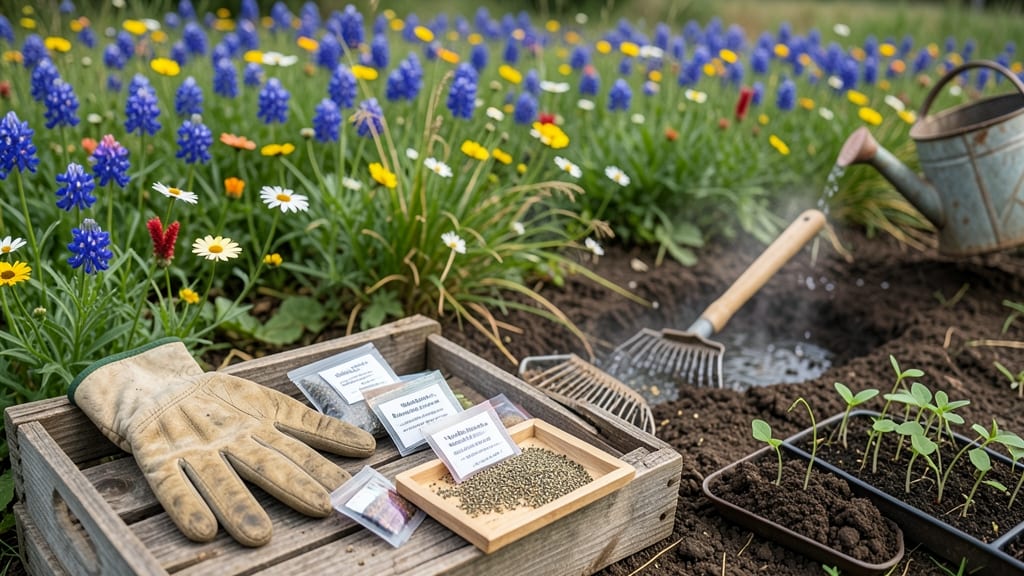
Planting wildflower seeds in Texas at the wrong time can mean waiting months—if not years—for those vibrant blooms to appear. The key to success lies in understanding the two optimal windows: fall and spring, each offering unique advantages for your 🌼 garden.
Texas’ 8a-10b climate demands precision, especially when dealing with heat-tolerant varieties that thrive in spring or establish roots before summer’s intensity. Whether you’re in North Texas or the Rio Grande Valley, timing matters more than you might think.
In this guide, I’ll walk you through the exact months to plant—plus the top heat-resistant varieties that guarantee color from March through October. No more guesswork, just reliable blooms that turn your landscape into a pollinator paradise.
Ready to transform your yard? Let’s dive into the perfect planting schedule for Texas wildflowers—no matter where you live in the Lone Star State.
Best months to plant wildflower seeds in Texas by region
Texas’ vast size means three distinct regions—North, Central, and South—each with unique frost dates and heat patterns. Planting wildflower seeds at the wrong time can leave them vulnerable to scorching summer heat or late-season frosts.
The key? Time it so seeds germinate when soil temps stay above 60°F and rainfall is reliable.
Most Texas gardeners swear by fall planting (September–November) because cooler temps and winter rains give seeds a head start. But spring planting (February–April) also works if you choose heat-tolerant varieties.
Let’s break down the best windows for each region to avoid common pitfalls like overwatering in summer or planting too late for frost-sensitive species.
🌱 North Texas (Zones 7b–8a): Think Dallas, Fort Worth, and Wichita Falls. Here, last frost dates average February 15, and summers hit 100°F+. Aim to plant wildflower seeds between September 15 and November 1 for fall germination, or February 1–March 15 for spring blooms. Avoid planting after April 1—seeds won’t survive the heat.
🌿 Central Texas (Zones 8a–8b): Includes Austin, San Antonio, and College Station. With milder winters and longer growing seasons, your window expands slightly. Plant September 1–November 15 for fall or February 15–April 1 for spring. Central Texas’ Blackland Prairie soil holds moisture well, making fall the safest bet.
☀️ South Texas (Zones 9a–10b): Houston, Corpus Christi, and the Rio Grande Valley see almost no frost. Here, plant anytime between September and January, but avoid summer planting—the heat will bake seeds before they sprout. Focus on drought-resistant varieties like Mexican Feather Grass or Evening Primrose.
🌼 Texas Wildflower Planting Calendar by Region
| Region | Best Planting Window | Avoid Planting After | Key Varieties |
|---|---|---|---|
| North Texas | Sep 15–Nov 1 or Feb 1–Mar 15 | April 1 | Bluebonnets, Indian Paintbrush |
| Central Texas | Sep 1–Nov 15 or Feb 15–Apr 1 | April 15 | Blackfoot Daisy, Coreopsis |
| South Texas | Sep–Jan (anytime) | June 1 | Mexican Feather Grass, Evening Primrose |
💡 Pro Tip: Use a soil thermometer to confirm temps are 60°F+ before planting—cold soil delays germination.
Timing isn’t just about months—it’s also about moisture. Texas’ unpredictable rainfall can dry out seeds before they sprout. That’s why fall planting often succeeds even in drought years: winter rains do the work for you.
If you plant in spring, use a light mulch (like straw) to retain moisture until seeds germinate.
Another critical factor? Seed dormancy. Many Texas wildflowers need cold stratification to break dormancy. If you buy seeds in summer, store them in the fridge for 4–6 weeks before planting. This mimics winter conditions and ensures better germination rates when you finally sow them in fall.
For summer-blooming wildflowers (like Mexican Sunflower), plant in late winter so they establish roots before the heat arrives. These varieties thrive in 100°F+ temps once established, but young seedlings will wilt without consistent moisture.
Use drip irrigation or soaker hoses to keep soil evenly moist during their first 6–8 weeks.
Finally, avoid planting in late summer (August–September) unless you’re in South Texas. The combination of heat and dry winds creates ideal conditions for seed desiccation. If you must plant then, choose pre-germinated seeds or use a shade cloth until seedlings are 2–3 inches tall.
Remember: Texas wildflowers are tough, but they need the right start. By aligning your planting schedule with your region’s climate, you’ll see vibrant blooms within 6–8 weeks—and minimal maintenance once they’re established.
Next, we’ll dive into the top 5 heat-tolerant varieties that thrive in Texas gardens year after year.
Top 5 heat-tolerant wildflower varieties for Texas gardens
Texas wildflowers thrive under the sun’s relentless gaze, but not all varieties handle the 100°F+ heat like champions. The key to a year-round blooming landscape? Plant native, drought-resistant species that sync with Texas’ spring and fall rainfall cycles.
These top 5 varieties deliver vibrant color, low maintenance, and pollinator magnet power—without guzzling water.
Start with Bluebonnets (Lupinus texensis), Texas’ iconic spring bloomer that carpets fields in blue-purple splendor. Next, Blackfoot Daisy (Melampodium leucanthum) offers cheerful white blooms from late spring to frost, while Mexican Feather Grass (Nassella tenuissima) adds airy texture and drought endurance.
For summer-long color, Autumn Sage (Salvia greggii) and Firewheel (Gaillardia pulchella) bring red-orange hues that hummingbirds adore.
Pro Tip: Mix these varieties for continuous blooms—Bluebonnets in March–May, Blackfoot Daisy from May–October, and Autumn Sage from June–November. This strategic layering ensures your garden stays lush and lively year-round, even through Texas’ brutal summers.
🌼 Texas Wildflower Varieties at a Glance
| Variety | Bloom Season | Sun Needs | Height | Drought Tolerance |
|---|---|---|---|---|
| Bluebonnet | March–May | Full sun | 1–2 ft | High |
| Blackfoot Daisy | May–October | Full sun | 1–2 ft | Very High |
| Mexican Feather Grass | Year-round | Full sun | 2–3 ft | Extreme |
| Autumn Sage | June–November | Full sun | 2–3 ft | High |
| Firewheel | April–October | Full sun | 1–2 ft | High |
💡 Planting Tip: Combine Bluebonnets and Firewheel for spring color, then let Blackfoot Daisy and Autumn Sage take over in summer and fall. Mexican Feather Grass adds year-round texture without water demands.
For best results, prep your soil by removing weeds and lightly raking to expose bare soil—wildflower seeds need direct contact with earth to germinate. After planting, water lightly for 2–3 weeks to help seeds establish, then let nature take over.
These native beauties thrive with minimal intervention, making them perfect for Texas’ unpredictable climate.
One common mistake? Skipping soil prep or overwatering after germination. Wildflowers hate soggy soil—they prefer well-draining conditions. Once established, they’ll bounce back from drought and heat, rewarding you with months of color and pollinator visits.
Ready to transform your yard into a Texas wildflower haven? Grab a mix of these varieties, follow the planting calendar from Section 1, and watch your garden burst into life—without the fuss of high-maintenance plants. 🌻