
Plants
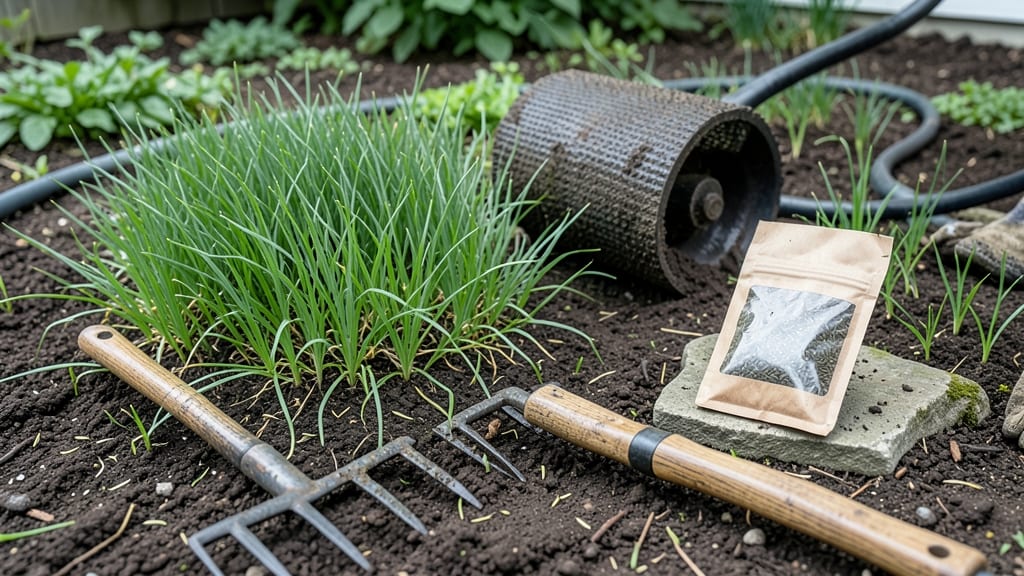
Timing your grass seed planting in spring can make or break your lawn’s success—get it wrong, and you’ll end up with patchy, weak growth instead of that lush 🌱 green carpet you’re dreaming of.
If you’re in Zone 6a, like many gardeners, the ideal window starts 4-6 weeks before your last frost date—typically early March or April—but soil temperature is the real game-changer. Planting too soon risks frost damage, while waiting too long might mean missed germination opportunities.
I’ll break down exactly how to read your local frost-free window, check soil temps (the secret weapon most people overlook), and adjust for your microclimate—so you can plant with confidence and skip the guesswork.
Let’s turn your spring lawn goals into reality with a few simple steps that actually work, no matter where you live.
Ideal soil temperature ranges for spring grass seed planting
Planting grass seed at the right soil temperature is the secret to a thick, vibrant lawn. Cool-season grasses like Kentucky Bluegrass and Fescue thrive when soil hovers between 50°F–65°F, while warm-season varieties such as Bermuda and Zoysia need 65°F–75°F to germinate properly.
Ignoring these ranges often leads to slow growth or seed rot.
Your local climate plays a huge role—northern regions should aim for early spring planting, while southern areas may wait until late spring. Testing soil temperature with a soil thermometer (2–4" deep) for 3+ days ensures accuracy. If temps fluctuate daily, wait for consistency before planting.
Here’s a quick guide to help you pick the perfect window for your grass type:
| Grass Type | Optimal Soil Temp Range (°F) | Best Planting Window (After Last Frost) | Key Growth Signs to Watch For |
|---|---|---|---|
| Cool-season (Kentucky Bluegrass, Fescue) | 50–65°F (consistently for 7+ days) | 2–4 weeks after last frost | Sprouts in 7–14 days; deep green color |
| Warm-season (Bermuda, Zoysia, St. Augustine) | 65–75°F (soil must stay warm) | After soil reaches 65°F (late spring/early summer) | Germinates in 10–21 days; slow early growth |
For cool-season grasses, plant as soon as soil warms to 50°F and stays there for a week. This usually aligns with 2–4 weeks after your last frost date. Look for deep green sprouts within 7–14 days—this confirms you’ve planted at the right time.
If you’re in a transition zone (USDA Zones 6–7), you might need to plant twice: once in early spring for cool-season grass and again in late spring for warm-season varieties. This two-step approach ensures year-round coverage without gaps.
Warm-season grasses, however, demand patience. Wait until soil hits 65°F—usually late May or June in most regions—and stays warm. These grasses grow slowly at first but thrive once established, so rushing the process can lead to weak, patchy lawns.
Pro tip: Use a soil thermometer to track temps daily. If mornings dip below 50°F for cool-season grass or below 65°F for warm-season, delay planting until conditions stabilize. Consistency is key to avoiding seed failure.
Finally, pay attention to your local weather forecasts. A sudden cold snap can kill newly germinated seeds, so monitor 10-day outlooks and adjust your planting timeline if needed. Timing isn’t just about the calendar—it’s about soil conditions and weather patterns working in your favor.
How to calculate your local frost-free window for grass seed
Planting grass seed at the right time in spring isn’t just about checking a calendar—it’s about understanding your local frost-free window. This window is the golden period between your last frost date and the time when soil warms enough for seed germination.
Missing it means risking frost damage or waiting too long for ideal growing conditions.
If you’re in Zone 6a, like many gardeners, your frost-free window typically opens around mid-April, but this can vary by 1–2 weeks depending on your microclimate. For example, urban areas often warm faster than rural spots, while south-facing slopes may thaw earlier than shaded yards.
Let’s break down how to calculate your exact window so you can plant with precision.