
Plants
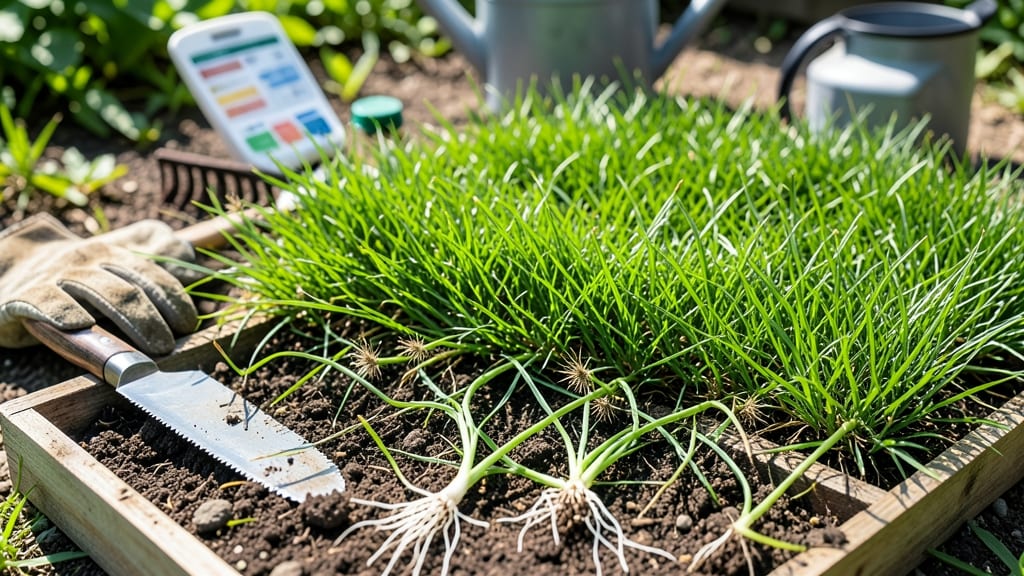
Planting Bermuda grass 🌱 in California at the wrong time can turn your dream lawn into a brown, patchy mess—especially when summer heat arrives too soon.
The key isn’t just picking a month from the calendar; it’s about soil warmth, regional microclimates, and avoiding early-season surprises like coastal frosts that can kill young grass before it takes root.
Most gardeners assume spring is the only window, but in California’s diverse zones—from 9a valleys to 11 coastal areas—timing varies wildly. What works in Los Angeles (planting in April–May) might fail in Sacramento if you wait until June.
I’ll break down the exact soil temperature rules that matter more than dates, plus how to adjust for your specific region.
Even if you’ve planted Bermuda grass before, you might be missing a critical trick: pre-warming soil with black plastic or choosing cold-hardy varieties like ‘Tifway 419’ to extend your window. Let’s cut through the guesswork so your grass thrives—not just survives—California’s extreme conditions.
Ready to transform your lawn? I’ll walk you through the step-by-step process, from testing soil warmth to overcoming drought stress, so you can plant with confidence—no matter where you live in the state.
California’s Bermuda grass planting window: soil temperature rules over calendar dates
Bermuda grass thrives in California’s heat, but timing your planting is everything. Unlike cool-season grasses, Bermuda needs soil temperatures above 65°F to germinate—calendar dates alone won’t cut it.
In most of California, this means waiting until after the last frost (which rarely happens in zones 10a+ but can occur in coastal 9a areas). The key is balancing soil warmth with summer’s intense heat, which can stress young seedlings.
For Southern California (e.g., San Diego, Riverside), the window opens in March–April when soil temps consistently hit 65°F+. In Northern California (e.g., Sacramento, Fresno), wait until May–June to avoid late frosts.
Coastal regions like Santa Barbara may have a slightly earlier window due to milder winters, but always verify soil temps with a soil thermometer.
Here’s the critical rule: Plant Bermuda grass 4–6 weeks before summer’s peak heat (typically by late May in most regions). This gives seedlings time to establish roots before 90°F+ temperatures stress them.
In desert areas like Palm Springs, you can plant as early as February–March because the soil warms faster.
| Region | Last Frost Date | Soil Temp Threshold | Optimal Planting Window |
|---|---|---|---|
| Southern CA (e.g., LA, San Diego) | Dec–Jan (rare) | 65°F+ (March–April) | March–May |
| Central CA (e.g., Sacramento, Fresno) | Dec–Feb (light frost) | 65°F+ (May–June) | May–June |
| Desert CA (e.g., Palm Springs) | None | 65°F+ (Feb–March) | February–April |
| Coastal CA (e.g., Santa Barbara) | Jan–Feb (light frost) | 60°F+ (April) | April–May |
To test soil warmth, bury a soil thermometer 2–3 inches deep in full sun for 24 hours. If it reads below 65°F, wait a week and retest. Pro tip: Use black plastic mulch 1–2 weeks before planting to warm the soil faster.
This is especially useful in cooler inland valleys like Sacramento, where soil heats up slower than desert regions.
Another critical factor is dormancy. Bermuda grass goes dormant in winter, so planting in fall (September–November) is risky in zones 9a–10a. The grass may not recover from winter stress, leaving bare patches.
Stick to spring or late summer for the best results. Late summer planting (August–September) works well because the soil is still warm, and summer rains (in some regions) provide moisture.
If you’re planting sod instead of seed, the rules are slightly different. Sod can tolerate slightly cooler soil temps (as low as 60°F), but it’s still best to wait until soil is 65°F+ for root establishment.
Sod also establishes faster—often in 2–3 weeks—compared to 4–6 weeks for seed. This makes it a better choice for late-season planting in May–June.
For urban heat islands (e.g., downtown LA or San Jose), soil can be 10–15°F warmer than rural areas. This means you can plant 2–3 weeks earlier in these zones.
However, watch for heat stress—young Bermuda grass can scorch if temperatures exceed 95°F without shade. Use temporary shade cloth if planting in July–August.
Finally, don’t forget to prepare your soil 2–3 weeks before planting. Bermuda grass prefers well-draining soil with a pH of 6.0–7.0. Amend heavy clay soils with compost or sand, and aerate compacted lawns to improve root penetration.
A soil test will tell you if you need to adjust pH or add nutrients like phosphorus for root growth.
Timing your Bermuda grass planting right means the difference between a lush, green lawn and a struggling, patchy mess. Use soil temperature as your guide, not just the calendar, and you’ll set your grass up for success. 🌱
Best planting months by California region: coastal vs. desert vs. valley timelines
California’s diverse climate means your Bermuda grass planting window can vary by hundreds of miles. Coastal areas like San Francisco and Santa Barbara have milder winters, while inland valleys like Sacramento and deserts like Palm Springs experience extreme temperature swings.
Let’s break down the ideal months for each region, so you can plant when your local microclimate is ready.
In Southern California (e.g., Los Angeles, San Diego), aim for April–May when soil temps reliably hit 65°F+. The Mediterranean climate here means minimal frost risk, but summer heat arrives fast—plant too late, and seedlings will struggle.
For coastal zones like Santa Barbara, you can start as early as late March due to ocean moderation keeping soils cooler longer.
| Region | Best Planting Months | Soil Temp Threshold | Key Considerations |
|---|---|---|---|
| Southern CA (LA, San Diego) | April–May | 65°F+ | Low frost risk; summer heat arrives June |
| Central CA (Sacramento, Fresno) | May–June | 65°F+ | Light frost possible until May; soil warms slower |
| Desert CA (Palm Springs, Coachella) | February–March | 60°F+ (soil warms fast) | No frost; extreme heat by April—plant early |
| Coastal CA (Santa Barbara, Monterey) | March–April | 60°F+ (cooler soils) | Foggy summers; plant before June heat |
For Central California (e.g., Sacramento, Fresno), wait until May–June to avoid late-season frosts. These areas experience colder winters and slower soil warming. If you plant in April, a 32°F frost could kill young seedlings.
Use a frost watch from the National Weather Service to time your planting perfectly.
In desert regions like Palm Springs or Riverside, you can plant as early as February–March. The soil warms quickly, but summer heat arrives by May, so avoid planting after April 15.
Desert Bermuda grass also benefits from shade cloth during the hottest afternoons if planted in March.
Urban areas like San Jose or Oakland face unique challenges due to urban heat islands. Soil temps can be 10–15°F warmer than rural zones, meaning you can plant 2–3 weeks earlier.
However, watch for heat stress—young grass can scorch if daytime temps exceed 95°F. If planting in May–June, water deeply twice daily (morning and evening) until roots establish.
If you’re in a transition zone (e.g., Santa Cruz or San Luis Obispo), split the difference: Plant in late April for coastal areas or early May for inland pockets. Test soil temps weekly—if they dip below 60°F, delay planting until conditions stabilize.
Remember, late summer planting (August–September) is also viable in most of California. This avoids summer heat stress and takes advantage of cooler nights and monsoon rains in desert regions. Just ensure soil stays above 65°F for 4+ weeks post-planting. 🌱