
Plants
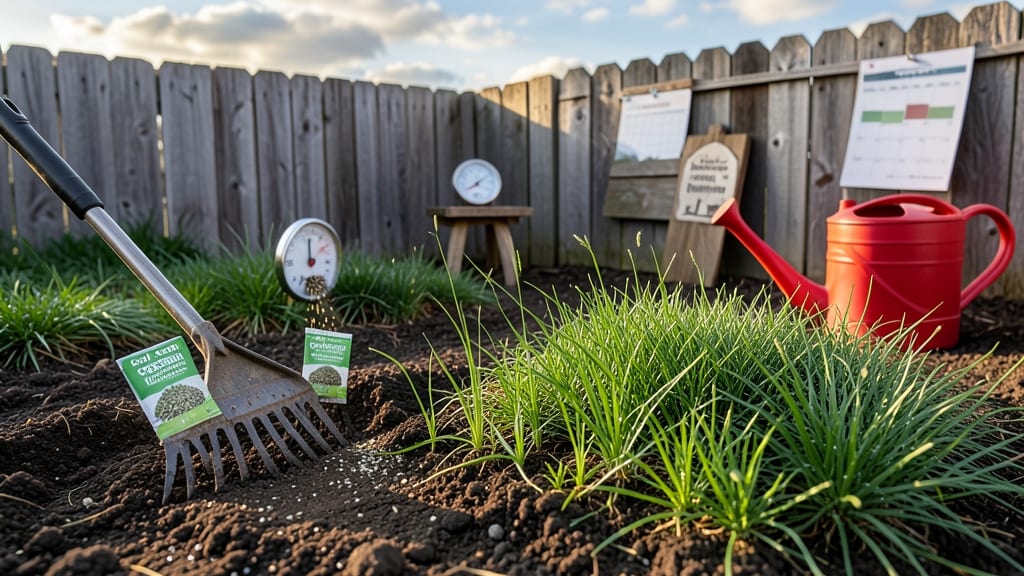
If you're still staring at a patchy lawn in late September and wondering when it is too late to plant grass seed in Massachusetts, don't toss those grass seed packets just yet—the right conditions can still give you a head start for next spring.
Massachusetts' 6a climate offers a surprisingly flexible window, but timing matters more than you think. Coastal areas like Cape Cod might have a few extra weeks, while inland spots near Worcester need to act faster before frost sets in.
Most gardeners assume mid-September is the cutoff, but with cold-hardy varieties like tall fescue, you could push it until early October—if you're willing to play by Mother Nature's rules.
The key isn't just the calendar date, but soil temperature (50°F or warmer) and your ability to protect new seedlings from early freezes. Let me walk you through exactly how to stretch that planting window without sacrificing your lawn's future.
What you might not realize is that late-season planting works best when you focus on preparation over speed. We're talking soil prep that locks in moisture, seed choices that handle chill, and watering tricks that fool frost into waiting a little longer.
These aren't just theories—I've seen 6-month-old lawns established from October plantings when done right. The difference between success and failure often comes down to one simple factor: knowing when to stop trying and when to push just a little harder.
Before you make your final decision, there's one critical question you need to ask yourself: Are you planting for immediate results or long-term success? The answer determines whether you should act now or wait until spring.
Let's break down the regional deadlines and proven strategies that actually work in Massachusetts' unpredictable climate—so you can make the call with confidence, not guesswork.
Massachusetts grass seed planting deadlines by region (late-season limits)
Massachusetts’ diverse climate means your grass seed planting deadline depends heavily on where you live. In southern MA (Boston, Cape Cod), you can push late-season planting until mid-October—cooler coastal air delays frost.
But in northern MA (North Adams, Berkshires), first frosts hit by early October, shrinking your window to late September.
Central MA (Worcester, Springfield) falls in between, with a late September cutoff for most grass types. Even a few weeks past these dates can work if you use cold-hardy varieties and protective measures—but don’t wait until November, when survival rates plummet.
Soil temperature is your best guide: aim to plant when soil temps stay above 50°F for at least 5 days. Use a soil thermometer (or the back of your hand—if it feels warm, it’s likely safe). In inland areas, this often means early September for reliable germination.
Microclimates matter too. Coastal areas (like Martha’s Vineyard) may have 2-3 extra weeks of planting time due to moderating ocean breezes, while valley regions (e.g., Pioneer Valley) can experience earlier frosts and need earlier planting.
Here’s the hard deadline by region to avoid winter kill:
| Region | Last Safe Planting Date | Frost Risk | Soil Temp Threshold |
|---|---|---|---|
| Southern MA (Boston, Cape Cod) | Mid-October | Low (coastal moderation) | 50°F+ for 7+ days |
| Central MA (Worcester, Springfield) | Late September | Moderate | 50°F+ for 5+ days |
| Northern MA (North Adams, Berkshires) | Early October | High (early frosts) | 50°F+ for 3-5 days |
| Coastal Islands (Martha’s Vineyard, Nantucket) | Late October | Very Low | 50°F+ for 10+ days |
If you’re planting in October, prioritize cool-season grasses like tall fescue or fine fescue, which tolerate light frosts better than Kentucky bluegrass. Avoid warm-season grasses (e.g., Bermuda) entirely—they won’t survive MA winters.
Pro tip: Check the National Weather Service’s frost prediction for your area. A 32°F nighttime low within 2 weeks of planting signals it’s time to cover seeds with straw mulch or frost blankets. Without protection, new sprouts can die back in 24 hours.
For coastal gardeners, ocean winds can delay frost by 1-2 weeks, but don’t rely on it. Test your soil’s readiness with a moisture meter—dry soil in October will stall germination, even if temps are ideal.
Remember: Late planting ≠ instant lawn. Seeds sown in October may not fully establish until next spring, leaving your lawn vulnerable to winter weeds. But with the right prep, you’ll still see 50-70% germination by May.
🌱
How to extend your grass seed planting window in Massachusetts
If you’ve missed the ideal spring planting window, don’t toss that grass seed just yet! Massachusetts’ cooler fall temperatures can actually work in your favor—if you take the right steps. The key is choosing cold-hardy varieties and adjusting your care routine to protect young sprouts from early frost.
For late-season success, focus on tall fescue or fine fescue blends, which tolerate cooler soils better than Kentucky bluegrass. These varieties can germinate in soil temps as low as 50°F, giving them a fighting chance even when days grow shorter.
Just be prepared to act fast—once temps dip below 40°F at night, growth slows dramatically.
Here’s how to push your planting window just a little further:
Timing is critical, but even if you plant in late October, your grass can still establish roots and survive winter—especially in southern MA where frosts arrive later. Just monitor weather forecasts and be ready to cover seedlings if a hard freeze is predicted.
With patience and the right prep, your lawn will reward you with early spring green-up and fewer bare spots next season.
Pro tip: If you’re in northern MA, aim to finish planting by mid-September to give seedlings time to root before the ground freezes.
Coastal areas have a slight edge—Cape Cod and the South Shore often see later frosts, so you might squeeze in planting until early October with protection. ☀️