
Vegetables
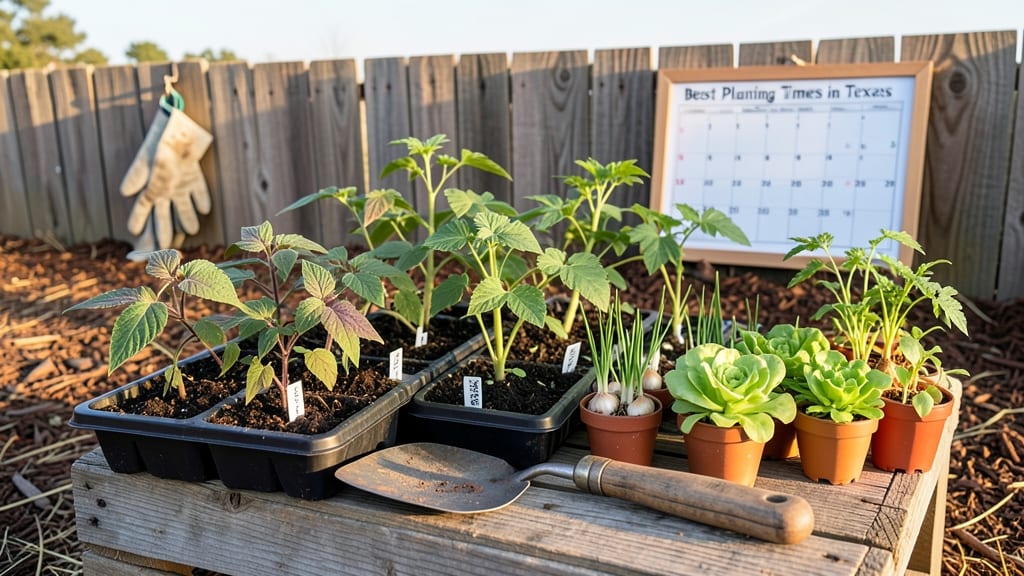
Texas planting zones by month: heat-zone calendar for zero-frost risk vegetables
Texas' diverse climate means planting times vary wildly from North Texas to South Texas. While the Panhandle might still see frost in April, South Texas can hit 90°F soil temps by March.
Understanding your USDA zone (6a-10a) is critical—it determines whether you can plant tomatoes in February or must wait until May.
Most Texas gardeners focus on heat-tolerant crops like okra, sweet potatoes, and peppers, but even these need strategic timing. The key is planting when soil temperatures reach 60°F+ for warm-season crops, while cool-season veggies (like lettuce) thrive in 50-60°F soil.
Below, I’ve broken down the ideal planting windows by month for Texas’ 9 heat zones, so you can avoid frost damage and heat stress.
Pro Tip: Use a soil thermometer—planting too early in cold soil stunts roots, while waiting too long risks bolting (premature flowering). Aim for consistent 60°F+ soil for warm crops and 50-60°F for cool crops.
🌱
| Month | USDA Zones 6a-7b (North TX) | USDA Zones 8a-9a (Central TX) | USDA Zones 10a (South TX) |
|---|---|---|---|
| January | Peas, spinach, onions (frost risk) | Lettuce, kale, carrots (light frost possible) | Broccoli, cabbage, radishes (no frost) |
| February | Potatoes, garlic, broccoli (late frost risk) | Green beans, beets, Swiss chard | Tomatoes (early starts), peppers (late Feb) |
| March | Tomatoes, peppers, cucumbers (after last frost) | Okra, sweet potatoes, corn (soil 60°F+) | Full warm-season garden (soil 70°F+) |
| April | Squash, melons, basil (soil 70°F+) | Eggplant, jalapeños, black-eyed peas | Second planting of beans, cucumbers |
| May-June | Succession plant lettuce, radishes (shade cloth) | Pumpkins, winter squash (direct sow) | Peppers, tomatoes (shade cloth for seedlings) |
| July-August | N/A (extreme heat) | Green onions, turnips (shade + water) | Okra, sweet potatoes (direct sow) |
| September | Broccoli, cabbage, kale (frost prep) | Carrots, radishes, lettuce (cool down) | Spinach, peas, garlic (late plant) |
🌡️ Note: Soil temp > plant air temp—always check with a thermometer!
For North Texas (Zones 6a-7b), focus on early spring (March-April) for warm crops like tomatoes and peppers, but be ready to cover seedlings if frost threatens.
In Central Texas (Zones 8a-9a), you can plant year-round with succession planting, while South Texas (Zone 10a) gardeners enjoy three growing seasons—just watch for humidity stress in summer.
Key Adjustments: If you’re in Zone 6a (Panhandle), wait until May
Top 5 Texas vegetables that thrive in extreme heat (and when to plant them)
Texas summers can push temperatures past 100°F, but some vegetables actually love the heat. If you've ever struggled with wilting tomatoes or bolted greens, these heat-tolerant varieties are your secret weapon for a productive garden.
I've grown these in South Texas Zone 9b and they consistently outperform cooler-season crops.
The key to success is planting at the right time—not too early when soil is still cool, and not too late when monsoons arrive. For most heat-loving crops, late April through early June gives them time to establish roots before the brutal July-August heat peaks.
Let's dive into my top 5 recommendations with exact planting windows.
Okra
Plant after last frost (typically mid-April in North Texas, late March in South Texas). Thrives in 90°F+ temperatures and produces pods even when other crops fail. Try 'Clemson Spineless'—it's my go-to for 100+ days of harvest.
Sweet Potatoes
Start slips after Memorial Day (early June) when soil is 75°F+. They need full sun and loose soil—amend with compost before planting. 'Beauregard' matures in 90-100 days and handles Texas heat better than white varieties.
Black-Eyed Peas
Sow seeds March-April in North Texas or February-March in South Texas. They fix nitrogen in soil while tolerating 95°F+. 'Purple Hull' is a Southern favorite with 50-60 days to harvest—perfect for late spring plantings.
Jalapeño Peppers
Transplant seedlings after April 15th when nights stay above 60°F. They need 6+ hours of sun daily and consistent watering (not soggy soil). 'Early Jalapeño' produces in 60 days—ideal for August harvests before fall rains.
Southern Peas (Cowpeas)
Direct-sow seeds April-June for summer harvests or August-September for fall crops. 'Purple Hull' and 'Iron Clay' varieties thrive in drought conditions and poor soil—perfect for Texas' unpredictable summers.
Pro tip: For all these crops, mulch heavily with straw or wood chips to retain moisture and regulate soil temperature. I've seen 30% higher yields in mulched beds during 100°F+ weeks.
Also, avoid overhead watering during peak heat—drip irrigation saves water and prevents fungal diseases like powdery mildew on peppers.
One common mistake I see is planting tomatoes and peppers too early. While they're heat-tolerant, they won't set fruit until temperatures stabilize above 70°F nightly. Wait until mid-May in North Texas or early April in South Texas for these staples.
For continuous harvests, succession plant okra and southern peas every 2 weeks from May through July.
🌱