
Plants
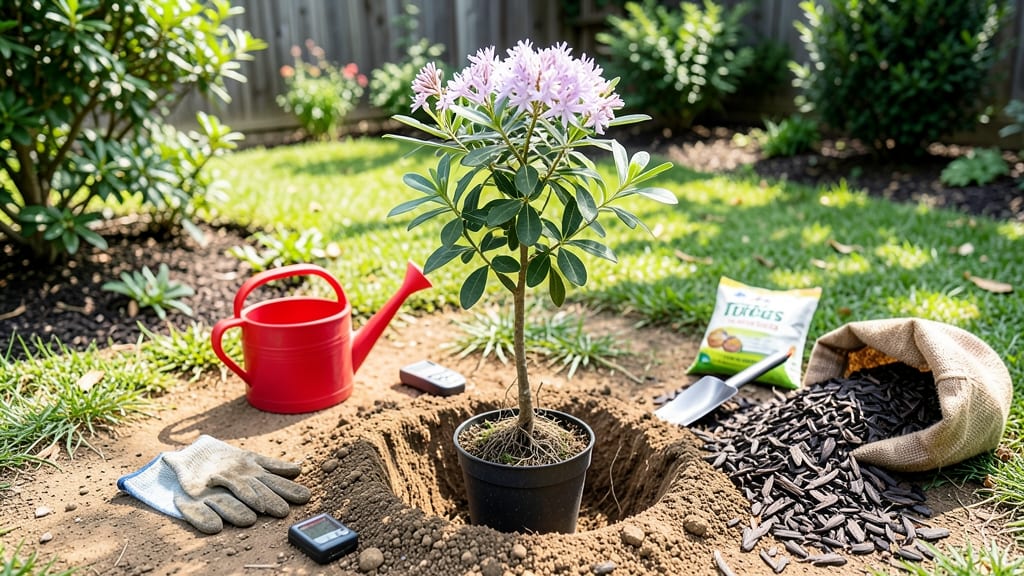
Planting a tree in Texas at the wrong time can turn your 🌳 into a slow-growing, stressed survivor instead of the thriving shade provider you imagined. The key to success? Timing it right—when roots can establish before the brutal summer heat or winter freezes set in.
Texas’s 8a-10a zones mean your planting window isn’t one-size-fits-all. Whether you’re in North Texas or the Gulf Coast, the difference between fall and early spring can mean the difference between a tree that takes off and one that struggles.
I’ll break down exactly when to dig that hole for the fastest, healthiest growth—plus how to adjust for your specific microclimate.
You’ll also discover which tree species thrive in Texas’s extremes—from drought-resistant oaks to fast-growing pecans—and how to prep your soil for maximum root development. Skip the guesswork and plant with confidence, so your tree grows strong from day one.
Ready to turn your backyard into a cooler, greener oasis? Let’s get started with the perfect planting schedule for your Texas tree.
Texas tree planting calendar by heat Zone: best months for fast root growth
Texas's diverse heat zones (8a-10a) create wildly different conditions for tree planting. In North Texas (8a-9a), last frosts arrive around February 15, while South Texas (10a) stays frost-free year-round. Planting outside these windows risks heat stress or frost damage—especially for young roots.
For optimal root growth, aim for fall (October-November) or early spring (February-March). These windows give roots time to establish before summer's 100°F+ heat or winter's freezing temperatures. Let’s break down the best times by zone to maximize survival and thriving.
Soil temperature is your secret weapon. Ideal planting soil should be 60-70°F—too hot (85°F+) stresses roots, while too cold (40°F) stalls growth. Use a soil thermometer to check before planting.
Texas Tree Planting Calendar by Heat Zone
| Heat Zone | Best Planting Months | Soil Temp Ideal | Key Risks |
|---|---|---|---|
| 8a (North Texas) | October–November, February–March | 60–70°F | Frost (Dec–Feb), drought |
| 9a (Central Texas) | September–November, February–April | 60–75°F | Heat stress (May–Sept), late frosts |
| 10a (South Texas) | September–November, February–March | 65–75°F | Hurricanes (June–Nov), extreme heat |
🌱 Plant in fall for root growth before summer heat
In North Texas (Zone 8a), October and November are ideal—soil stays warm enough for root establishment, but cool nights reduce stress. February-March is your second window, right before spring drought kicks in. Avoid planting in April or May; summer’s 110°F+ soil temps can kill young roots.
For Central Texas (Zone 9a), stretch your window to September-November to avoid summer’s scorching heat. February-April is safe, but late frosts (even in March) can damage tender species like Japanese maples. South Texas (Zone 10a) offers year-round planting, but September-November is best—hurricane season (June-Nov) adds wind risks.
Pro tip: Bald cypress and live oaks thrive in South Texas’s heat, while redbuds and dogwoods prefer North Texas’s cooler springs. Match your species to your zone’s microclimate—even a 5-mile elevation change can shift frost dates by weeks.
Don’t overlook watering schedules post-planting. In Zone 10a, deep water every 5-7 days during summer; in Zone 8a, reduce to every 10-14 days in winter. Mulch 3 inches deep to retain moisture and regulate soil temps.
Texas’s variable rainfall adds complexity. Drought-tolerant natives like mesquite or Texas red oak handle irregular watering, but ornamentals (e.g., crape myrtle) need consistent moisture their first year. Adjust your planting window based on your local rainfall forecast.
Finally, container-grown trees (burlap-wrapped) plant year-round in Texas, but bare-root trees (cheaper) must go in dormant seasons. For fastest establishment, prioritize fall planting—roots grow 2x faster when soil temps drop below 80°F.
Ready to plant? Grab a shovel, check your heat zone, and pick a species suited to your microclimate. Your tree’s future starts with the right timing—and Texas’s extremes demand precision. 🌳
How to choose the perfect planting window for your tree species in Texas
Texas’s diverse tree species have wildly different needs, and planting them outside their ideal windows can spell disaster. Evergreens like live oaks handle South Texas heat year-round, while deciduous trees like redbuds need cooler North Texas springs to thrive.
Matching your species to the right timing ensures faster establishment and longer lifespan.
For drought-tolerant natives (e.g., Texas red oak, mesquite, yaupon holly), fall planting is critical—their deep roots establish best when soil temps drop below 80°F. These species hate soggy roots, so avoid spring planting in Zone 10a, where hurricane-season rains can drown them.
🌳 Texas Tree Species Planting Guide by Type
- 1. Evergreens (Live Oak, Pecan, Yaupon Holly) – Plant September-November or February-March; avoid summer heat.
- 2. Deciduous (Redbud, Dogwood, Crape Myrtle) – Best in October-November or February; March planting risks late frosts.
- 3. Fast-Growing (Silver Maple, Sycamore) – Spring (March-April) for rapid canopy growth; fall planting stunts early growth.
- 4. Fruit Trees (Pecan, Fig, Persimmon) – Late winter (February) for early fruit production; fall planting delays bearing.
- 5. Shade Trees (Bald Cypress, Sweetgum) – Fall (October-November) for deep root systems before summer drought.
✂️ Prune new growth in spring to encourage root development
If you’re planting ornamental trees like Japanese maples or crepe myrtles, North Texas’s late frosts (even in March) can be deadly.
These species need protected microclimates—plant near south-facing walls or in sheltered spots to delay frost exposure. South Texas’s Zone 10a is safer for these, but hurricane winds (June-Nov) require staking young trees.
For container-grown trees (burlap-wrapped), timing is flexible year-round in Texas, but avoid peak summer (June-August) when soil temps exceed 90°F.
These trees establish 30% faster when planted in fall—their roots adapt better to cooler soil. Bare-root trees (cheaper), however, must go in dormant seasons (November-March) to avoid transplant shock.
Adjust your planting window based on irrigation access. In drought-prone West Texas, deep watering every 5-7 days is non-negotiable for first-year survival. East Texas’s humid climate allows longer gaps between waterings (every 10-14 days), but fungal risks (e.g., root rot) rise in summer’s heat.
Pro tip: Test your soil’s moisture before planting. Stick a screwdriver 6 inches deep—if it won’t go in easily, your soil is too dry. Amend with compost to improve water retention, especially for sandy soils common in North Texas. Clay soils in East Texas?
Add gypsum to break up compaction.
Finally, avoid planting during extreme weather. Texas’s unpredictable storms (droughts, hail, ice) can bury roots or disrupt root growth. Check the 10-day forecast—if temperatures swing 20°F+, delay planting until conditions stabilize.
Your tree’s first year sets the stage for decades of growth, so pick your window wisely. 🌿