
Plants
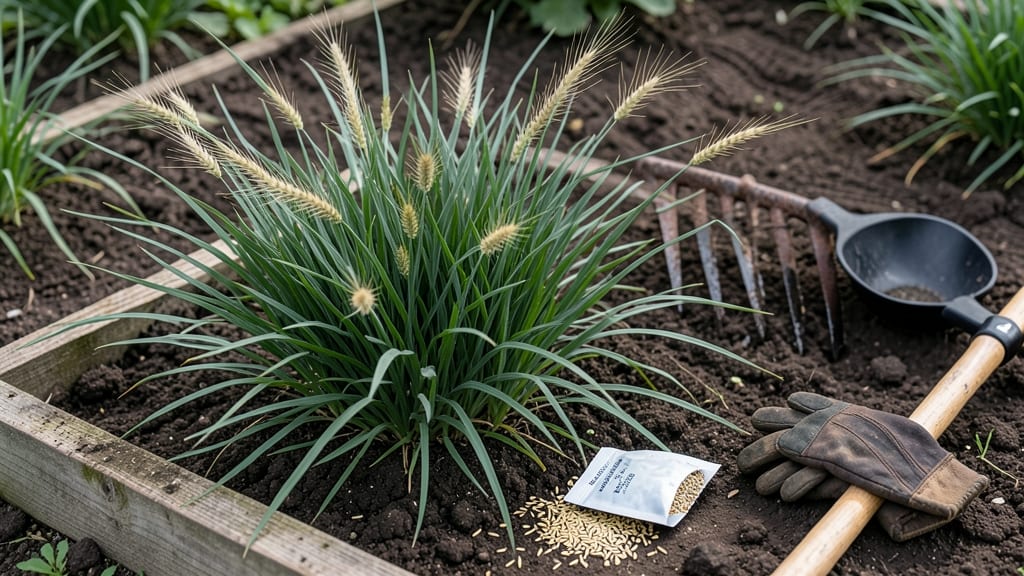
Planting annual ryegrass in Texas at the wrong time can mean wasted seeds and a patchy lawn—unless you know the exact window to act. The key isn’t just picking a month; it’s reading your local climate like a pro to avoid summer’s brutal heat or early frosts that stall growth.
For Texas gardeners in zones 8a-10b, the sweet spot is late summer to early fall—think August through October—when soil temps drop just enough for seeds to germinate without wilting.
But here’s the catch: North Texas and South Texas don’t play by the same rules, thanks to their 150-mile temperature divide.
I’ll break down how to time your planting for strong root growth, whether you’re in drought-prone West Texas or humid East Texas. Plus, I’ll share the 3 prep steps that’ll make your ryegrass thrive where others fail—no guesswork, just results.
Ready to skip the trial-and-error? Let’s get your cover crop planted right, so you’re not scrambling when winter rolls in.
Texas heat-zone planting windows for annual ryegrass success
Annual ryegrass thrives in Texas when planted during the perfect 6-week window between mid-August and early October. This timing lets seedlings establish roots before winter dormancy while avoiding the scorching summer heat that can bake seeds into the soil.
But Texas’ 11 heat zones (A/B) create regional variations—what works in El Paso (Zone 8a) differs from Houston (Zone 9a).
In North Texas, aim for late August to September to beat early frosts (around November 15). Meanwhile, South Texas gardeners can extend planting until mid-October thanks to milder winters. The key? Plant 4-6 weeks before frost to ensure strong root growth before dormancy.
For drought-prone areas like West Texas, prioritize deep soil moisture before planting. In humid East Texas, focus on well-draining soil to prevent fungal issues. Both regions benefit from overseeding established lawns in September for winter color.
🌱 Texas Annual Ryegrass Planting Guide by Region
| Region | USDA Zone | Best Planting Window | Key Consideration |
|---|---|---|---|
| North Texas (Dallas/Fort Worth) | 8a-8b | Late August - Early September | First frost: Nov 15 |
| West Texas (El Paso/Midland) | 8a-9a | Mid-August - Late September | Drought-prone; water deeply |
| Central Texas (Austin/San Antonio) | 8a-9a | Late August - Mid-October | Moderate rainfall; test soil pH |
| East Texas (Houston/Beaumont) | 8b-9a | September - Early October | Humid; ensure drainage |
| South Texas (Corpus Christi) | 9a-10a | Late August - Mid-October | Mild winters; extend growth |
Pro tip: Use a soil thermometer to confirm 60-65°F soil temps before planting. Cooler soils (below 55°F) delay germination, while above 75°F can stress seedlings. In North Texas, aim for September 1—this gives roots 6-8 weeks to establish before frost.
For overseeding lawns, spread seeds in September when daytime temps drop below 85°F. This timing aligns with cool-season grasses like fescue, creating a lush winter lawn. Water lightly twice daily for the first 2 weeks to keep soil moist but not soggy.
In drought-prone areas, mix annual ryegrass with clover for better moisture retention. The clover’s deep roots help ryegrass survive Texas’ erratic rainfall. Always choose certified Texas-friendly seeds to resist brown patch disease, common in humid regions.
Remember: Late planting = weak roots. If you miss the October deadline, wait until next spring (March-April) for a spring overseeding. But fall planting yields the best winter color and erosion control—worth the effort!
🌱
How soil temperature and rainfall dictate your planting schedule
Texas’ unpredictable weather can turn a great planting plan into a disaster if you ignore two critical factors: soil temperature and rainfall patterns. Annual ryegrass seeds need soil temps between 60°F and 75°F to germinate properly—too hot, and they’ll dry out; too cold, and they’ll rot.
Most Texas regions hit this sweet spot between late August and mid-October, but your exact timing depends on where you live.
For example, North Texas (USDA Zones 8a-8b) often sees soil temps drop below 60°F by mid-October, while South Texas (Zones 9a-10b) can keep warm soils until early November. Check your local AgriLife Extension frost dates to fine-tune your schedule—this is non-negotiable for avoiding seed waste.
Rainfall is just as tricky. Texas’ bimodal rainfall pattern (spring and fall peaks) means you might get lucky with natural moisture in September, but droughts in October can leave seedlings thirsty.
Always have a backup irrigation plan, especially if you’re planting in West Texas, where rainfall is scarce year-round.
🌱
Avoid These Planting Mistakes
- Planting when soil temps exceed 75°F – Seeds will dry out before germinating.
- Relying on summer rains – Texas monsoons are unreliable; irrigate consistently.
- Skipping soil moisture checks – Use a soil thermometer (not air temp!) to confirm readiness.
Pro tip: Test your soil’s moisture retention before planting. Dig a 6-inch hole—if the soil stays clumped when squeezed, it’s ready. If it crumbles, water deeply 24 hours before sowing. Overwatering is just as bad as underwatering; ryegrass hates soggy roots.
One more critical detail: North Texas gardeners should aim for September planting to beat the first frost (usually mid-November), while South Texas can stretch until early October. Use a frost calendar from your county extension office to lock in your exact window.
If you’re in East Texas, where humidity is high, plant on a cool, cloudy day to reduce stress. For West Texas, prioritize evening watering to conserve moisture. Timing isn’t one-size-fits-all—adjust based on your microclimate, and you’ll see thicker, greener growth by winter.
☀️