
Plants
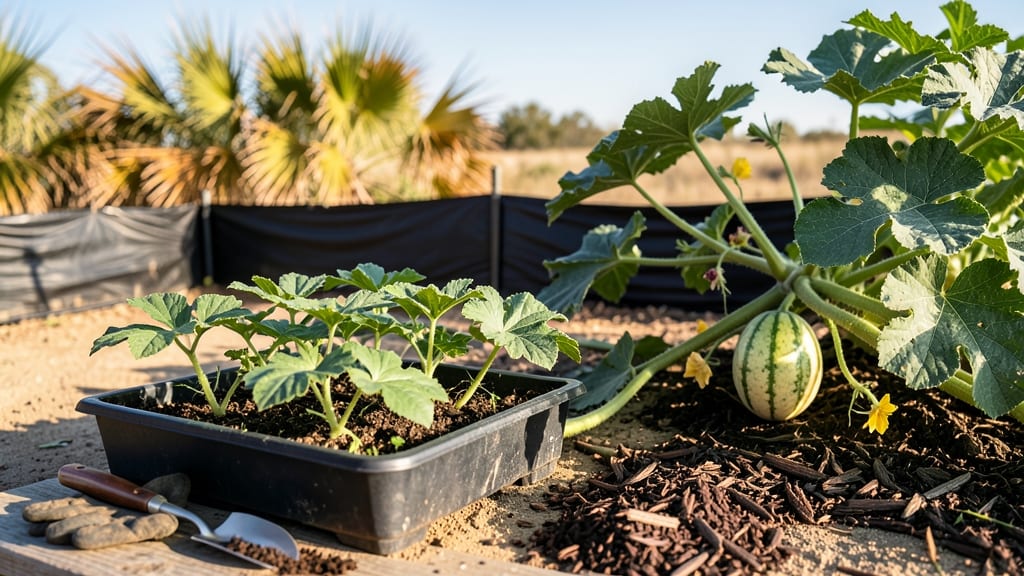
Optimal Florida watermelon planting dates by soil temperature and frost risk
Florida’s frost-free climate means you can plant watermelons year-round, but soil temperature and regional heat dictate the best windows. Unlike northern states, you won’t worry about frost damage, but germination struggles below 60°F—and watermelons thrive when soil hits 70°F+.
This means spring and summer plantings dominate, with fall options in cooler zones.
For North Florida (USDA Zones 8a-9a), aim for mid-March to early May to avoid summer’s brutal heat. Central Florida (Zones 9a-9b) gardeners have a wider window—late February to early June—while South Florida (Zones 10a-11) can plant as early as January or even late summer (August-September) for fall harvests.
Here’s the golden rule: Wait until soil reaches 70°F (21°C) for direct sowing. Use a soil thermometer to check—planting too early in cool soil leads to rotten seeds or slow, leggy seedlings. In North Florida, this often means waiting until April.
🌱Pro Tip: Test soil moisture before planting. Watermelons hate soggy roots, so amend heavy clay with compost or sand to improve drainage. Aim for 6.0-7.0 pH—too acidic or alkaline stunts growth.
🔍Why These Dates? Florida’s humidity and heat accelerate watermelon growth, but late plantings (June+) risk bitter fruit or poor pollination. For fall harvests, plant late July–early September in South Florida to avoid summer’s peak heat.
In North Florida, where January frosts are rare but possible, protect seedlings with row covers if planting early. Central Florida gardeners can experiment with succession planting—sow seeds every 2 weeks from March to June for staggered harvests.
💡Heat Hack: Use black plastic mulch to warm soil faster. Lay it down 2 weeks before planting to raise soil temps by 5–10°F, speeding germination. Just don’t let it touch seedlings—leave 2-inch gaps around stems.
For container growing, stick to compact varieties like ‘Sugar Baby’ and plant in 5-gallon pots. Move containers to full sun spots (6+ hours) and use self-watering systems—watermelons in pots dry out 3x faster than in-ground plants.
🌡️Watch the Weather: If 3-day forecasts show 90°F+ temps, delay planting. Watermelons wilts under extreme heat—shade cloth (30% coverage) helps until vines establish.
How to extend your watermelon season: transplanting, cold frames, and succession planting hacks
Florida’s warm climate lets you grow watermelons almost year-round, but pushing the limits requires smart strategies. If you want to harvest in early spring or late fall, you’ll need to transplant seedlings or use protective structures.
The key is soil temperature—wait until it hits 70°F+ for strong roots and faster growth.
For earlier spring harvests, start seeds indoors in January using grow lights. Transplant 3-4 weeks later when soil warms up. In North Florida, use row covers to shield young plants from rare cold snaps.
For fall harvests, plant seeds in July-August—just avoid overcrowding as vines spread quickly.
🌱 Pro Tips for Extending Your Season
- 🌡️ Soil Test First: Use a soil thermometer—wait until 70°F+ before transplanting. Cold soil slows germination and invites rot.
- ✂️ Prune Wisely: Remove side shoots to focus energy on fruit development. Pinch off early blooms if plants are stressed.
- 🪣 Cold Frame Hack: Build a low tunnel with plastic sheeting to protect seedlings in unpredictable months. Remove when temps rise.
- 📅 Succession Plant: Sow new seeds every 2 weeks in spring/fall for continuous harvests. Staggered plantings prevent glut.
- 💧 Mulch Thickly: Apply 4-6 inches of straw to retain moisture and suppress weeds. Keeps roots cool in peak summer.
Transplanting works best for spring starts—harden off seedlings for 7-10 days before moving them outdoors. Dig holes twice as wide as the root ball to reduce shock. In South Florida, you can even try fall transplants in September, but watch for humidity-fueled diseases like powdery mildew.
Avoid these common mistakes that kill yields: planting too close (vines need 3-4 feet of space), skipping compost (watermelons are heavy feeders), or ignoring pest alerts. Cucumber beetles love young seedlings—spray with neem oil if you spot them.
For container growing, choose compact varieties like ‘Sugar Baby’ and plant in 5-gallon pots. Move containers to full sun by 10 AM daily. In shady spots, expect smaller fruit and bitter taste.
With these tricks, you’ll enjoy homegrown watermelons from April through October—no frost to fear! Start small, experiment with timing, and soon you’ll have the sweetest harvests in your neighborhood. 🍉