
Planting
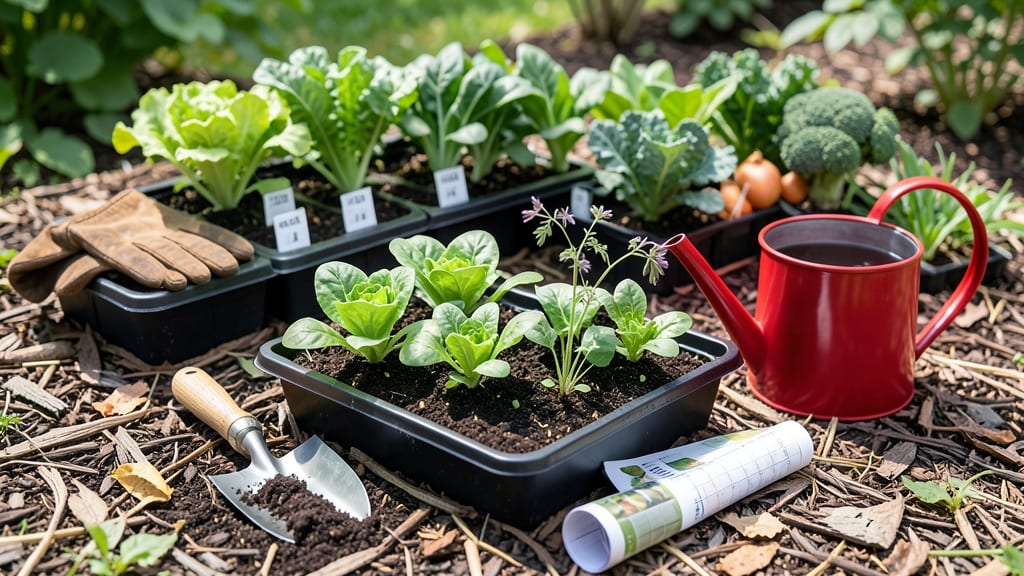
Timing when to plant a garden in Cleveland, Ohio just right could mean the difference between a bountiful harvest and a sad, wilted disappointment. With USDA Zone 6a weather that swings from icy April mornings to sweltering July afternoons, knowing when to plant isn't just helpful—it's essential.
Most gardeners here wait until mid-April to kick off their spring planting, but that’s only half the story. The real magic happens after the last frost—typically around April 15—when the soil warms enough for tender seedlings to thrive.
But don’t rush: warm-season crops like tomatoes and peppers need to wait until two to three weeks after that date to avoid a shocking chill.
What if you miss the window? No worries—I’ll show you how to stretch Cleveland’s short growing season with clever tricks like row covers and succession planting. Whether you’re a first-time gardener or a seasoned green thumb, these strategies will help you maximize every sunny day in your garden.
Let’s dive into the exact planting schedule for your favorite General Garden Vegetables & Flowers, so you can enjoy fresh produce and vibrant blooms from June through October—no matter what Mother Nature throws your way.
Cleveland’s frost-free dates by planting zone and microclimate
Cleveland’s USDA Zone 6a/6b climate means your garden’s success hinges on understanding frost-free windows. The average last frost date is April 15, but microclimates—like urban heat islands or lake-effect cooling—can shift this by 1-2 weeks.
Rural areas near Lake Erie may experience earlier springs due to warmer lake breezes, while city neighborhoods can trap heat, delaying frost.
Always check the NOAA’s Cleveland frost data for the past 5 years to adjust your planting timeline. For example, 2020’s late frost hit May 1, while 2018’s early spring saw frost-free conditions by April 5. These extremes show why flexibility is key—especially for warm-season crops like tomatoes.
Here’s how Cleveland’s microclimates affect planting:
For cool-season crops like kale or spinach, start seeds 4–6 weeks before your last frost. Use March 1 as a safe baseline for suburban Cleveland.
Warm-season plants—such as tomatoes and peppers—need soil temps above 55°F (13°C), so wait until May 1 or after for direct sowing.
Pro tip: Test your soil temperature with a soil thermometer ($10 at garden centers). If it’s below 50°F, delay planting warm-season crops to avoid stunted growth. Seed packets often list ideal soil temps—always double-check!
Cleveland’s lake-effect snow can bring unexpected late frosts in May. Monitor the National Weather Service’s Cleveland forecast for frost warnings. If frost is predicted, cover tender plants with frost blankets or old bedsheets secured with bricks.
Perennials like asparagus and rhubarb can handle Cleveland’s climate if planted in early spring (March–April). Their roots establish slowly, so give them a 3-year head start before expecting harvests. For bulbs like tulips, plant in October to naturalize them for spring blooms.
Urban gardeners often face soil compaction from heavy foot traffic. Amend your beds with compost or aged manure in fall to improve drainage. This ensures roots warm up faster in spring, giving plants a 2-week growth advantage.
Remember: Cleveland’s short growing season (165 frost-free days) demands efficiency. Prioritize fast-maturing varieties (e.g., ‘Early Girl’ tomatoes) and use succession planting to maximize yields. Start seeds indoors in February for a 4-week head start on the season.
🌱
Best planting schedule for Cleveland gardens by vegetable type
Cleveland’s short growing season demands smart planning—especially when choosing between cool-season crops that thrive in spring and fall, and warm-season staples that need summer’s heat. I’ve broken down the ideal planting windows for your garden, so you can maximize yields without risking frost damage.
For cool-season vegetables like kale, spinach, and peas, start seeds indoors 4–6 weeks before your last frost date (typically mid-April). These hardy plants handle light frosts and can even be planted as late as early June for a fall harvest.
My favorite varieties for Cleveland include ‘Winterbor’ kale and ‘Sugar Ann’ peas, both of which tolerate our cooler nights.
🌱 Cleveland Planting Calendar by Type
- March–April: Start cool-season seeds indoors (lettuce, spinach, onions).
- Mid-April: Plant peas, spinach, and kale directly outdoors after last frost.
- Late April–May: Transplant warm-season starts (tomatoes, peppers, basil) 2–3 weeks after last frost.
- June: Sow beans, cucumbers, and squash for summer harvests.
- July–August: Plant fall crops (broccoli, carrots) for late-season harvests.
Warm-season crops like tomatoes and peppers need to wait until after your last frost—usually mid-May in Cleveland. I recommend using heat-tolerant varieties such as ‘Better Boy’ tomatoes or ‘Jalapeño M’ peppers, which handle our occasional heatwaves better than standard types.
These plants should be started indoors in March and transplanted after the soil warms to 55°F or higher.
Don’t overlook succession planting, a game-changer for Cleveland gardens. By staggering plantings every 2–3 weeks, you can enjoy a continuous harvest of lettuce, radishes, and beans. For example, sow a new batch of radishes every 10 days from April through July—they mature in just 30 days!
Perennials like asparagus and rhubarb have different rules. Plant asparagus crowns in early spring (March–April) for a harvest starting in their second or third year. Rhubarb, on the other hand, thrives when planted in fall or early spring and becomes a low-maintenance staple in your garden.
Pro tip: Use row covers to extend planting windows for warm-season crops like eggplants or okra, which struggle in Cleveland’s short summers. These lightweight fabrics add 2–4 weeks of protection against late frosts, giving your plants a head start.