
Plants
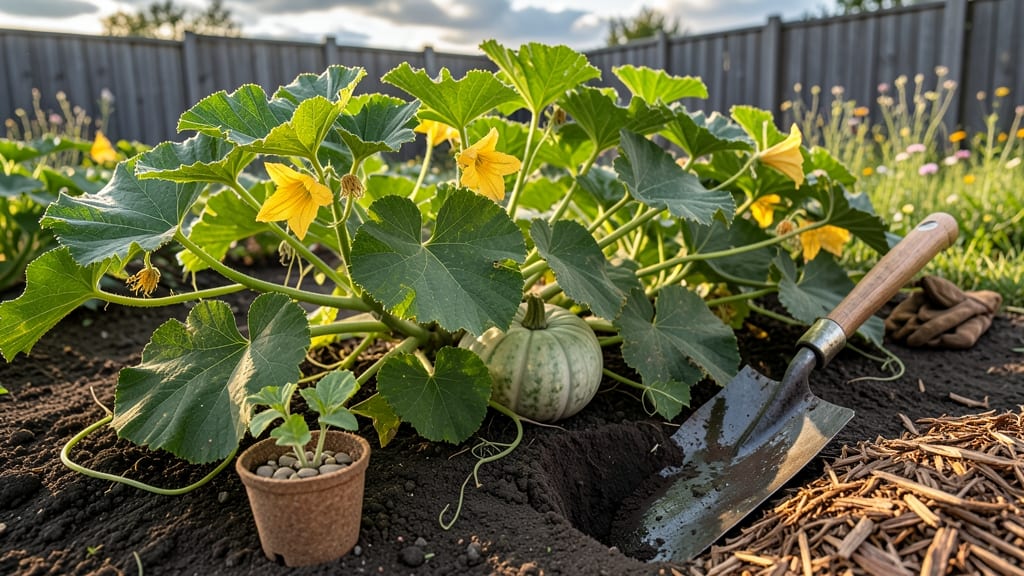
Timing your pumpkin 🎃 planting in Ohio isn’t just about luck—it’s about mastering the 60°F soil temperature and avoiding those sneaky late frosts that can wipe out your crop before it starts.
With Ohio’s USDA Zone 6a climate, planting too early risks frost damage, while waiting too long cuts your harvest short.
Most Ohio gardeners swear by the mid-April to mid-May window—right after the last average frost date—but local microclimates can shift that timeline by weeks.
Whether you’re starting seeds indoors or transplanting seedlings, knowing when to put those pumpkins in the ground is the key to a bountiful fall harvest.
In this guide, I’ll break down the exact dates for your zone, plus smart adjustments for Ohio’s unpredictable weather. You’ll learn how to prep your soil, choose the right varieties, and even extend your growing season with simple tricks. Let’s get those pumpkins thriving!
From seed to jack-o’-lantern, your success starts with the right timing—and I’ve got the step-by-step plan to make it happen without the guesswork. Ready to grow like a pro?
Ohio pumpkin planting calendar: exact dates by Zone 6-7
Ohio’s USDA Zones 6-7 offer a 90-120 day growing season for pumpkins, but timing is everything. The last average frost date in most of Ohio falls between April 15-30, but northern counties (Zone 6a) can see frost as late as May 10.
For Zone 7a, you’ve got a slightly longer window—typically April 15-May 15—but always verify with your local Cooperative Extension Service for precise data.
Pumpkin seeds need soil temperatures above 60°F to germinate properly. In Ohio, this usually aligns with late April to early May, but cold snaps can delay warming. Transplants (if using starter plants) can handle slightly cooler soil (50°F) but still need frost-free conditions.
I’ve found that mid-May is my safest bet for direct sowing in northern Ohio, while southern Ohio gardeners can start as early as late April.
Here’s the critical timeline for Ohio pumpkin planting:
| Zone | Last Frost Date | Ideal Planting Window | Soil Temp Threshold | Backup Option |
|---|---|---|---|---|
| 6a (Northern OH) | April 20-May 10 | May 10-20 (direct sow) | 60°F+ | Start indoors March 15 |
| 6b (Central OH) | April 15-April 30 | April 25-May 10 | 60°F+ | Use row covers if late |
| 7a (Southern OH) | April 10-April 20 | April 15-May 5 | 60°F+ | Late May for slow varieties |
If you’re planting transplants instead of seeds, you can shave off 2-3 weeks from these timelines since young plants tolerate cooler soil. I’ve had success transplanting 3-4 week-old seedlings as early as late April in Zone 7a, but always harden them off first.
For direct sowing, wait until the soil is consistently 60°F+—use a soil thermometer to check!
Ohio’s microclimates can vary dramatically. Valley regions like Athens or Chillicothe often warm up faster than hillier areas near Toledo or Cleveland. I recommend monitoring your local National Weather Service alerts or using a frost calendar from your county extension office.
Pro tip: Plant a few seeds every 10 days in late April to stagger your harvest and reduce risk.
For late varieties (like ‘Giant Cabbage’), you can push planting to early June—these need 110+ days to mature. Just be prepared to harvest before frost (typically mid-October in Ohio).
I’ve grown ‘Jackpot’ pumpkins successfully with a June planting in southern Ohio, but they required row covers to protect early blooms.
One common mistake? Planting too early when soil is still cold. Seeds may rot or take weeks to sprout, giving you a shorter growing season. Always test your soil with a thermometer—60°F is non-negotiable for reliable germination.
If your soil is still chilly, consider black plastic mulch to warm it up faster.
Finally, Ohio’s humid summers mean pumpkins need well-drained soil to avoid rot. Amend your beds with compost and avoid planting in low-lying areas where water pools. With the right timing and prep, you’ll be carving perfect jack-o’-lanterns by Halloween—no guesswork required!
How to adjust pumpkin planting for Ohio’s unpredictable weather
Ohio’s spring weather is famously fickle—one day it’s 70°F and sunny, the next you’re shoveling snow. For pumpkins, these false springs can trick you into planting too early, only for a late frost to kill your seedlings overnight.
The key? Learning to read Ohio’s microclimates and using smart tools to protect your plants.
Most gardeners wait until after May 15 to plant pumpkins in Ohio’s Zone 6-7, but if you’re in a warmer microclimate (like southern Ohio), you might push it to early April. The real trick? Soil temperature matters more than air temperature—pumpkin seeds need soil that’s at least 60°F to germinate.
Here’s my go-to strategy for Ohio gardeners: Use a soil thermometer to confirm warmth before planting. If your soil is still cold, try these season-extending hacks to give your pumpkins a fighting chance.
⚠️ Warning: False Springs Are Deadly
Ohio’s false spring warm-ups (like the infamous March thaw) can fool you into planting early. If you plant pumpkins before the last frost date, your seedlings will wilt overnight when frost returns. Always check your local USDA frost map and wait until after May 15 for Zone 6-7.
Pro Tip: Use biodegradable row covers if you must plant early—they add 2-4°F of warmth and protect against light frosts.
If you’re worried about late frosts, try starter plants instead of seeds. Transplants give you a 2-3 week head start, so you can plant them 2 weeks after the last frost date (around May 1 in most of Ohio).
Just harden them off first—acclimate seedlings to outdoor conditions for 7-10 days before transplanting.
For extra protection, use black plastic mulch to warm the soil faster. Lay it down 1-2 weeks before planting—it can raise soil temps by 5-10°F, helping seeds germinate quicker. Pair it with a cold frame for early starts, and you’ll have a longer growing season for your pumpkins.
Finally, watch the 10-day forecast before planting. If frost is predicted within 2 weeks, delay planting or use frost cloth to shield seedlings. Ohio’s first frost usually hits in mid-October, so aim to harvest by then—or choose fast-maturing varieties (like ‘Jackpot’) to beat the clock.