
Plants
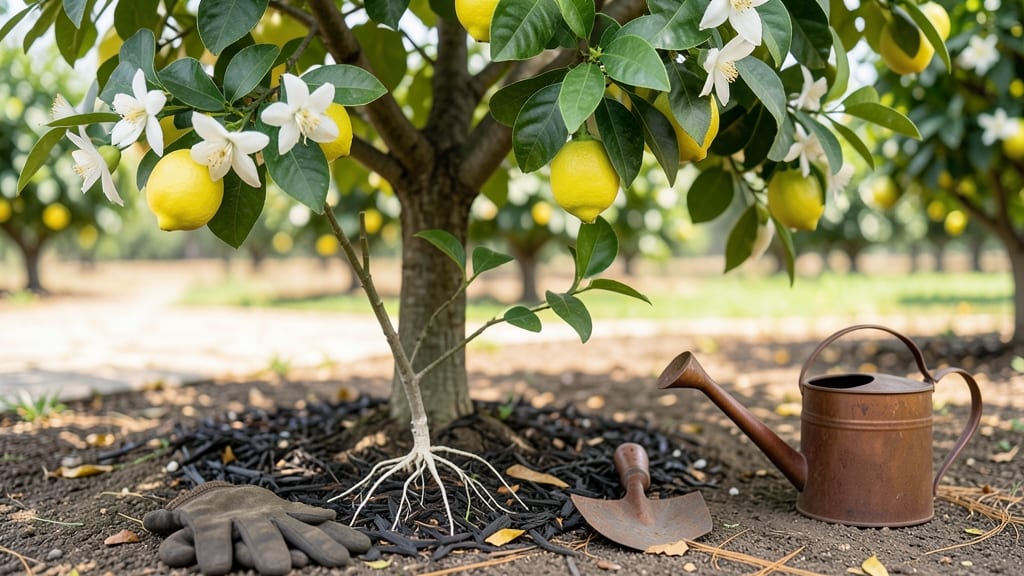
If you’ve ever dreamed of plucking fresh lemons straight from your Louisiana backyard, timing your lemon tree planting is the key to success.
The humid subtropical climate here means you can grow citrus year-round—but planting at the wrong time could leave your 🍋 tree struggling against heat, humidity, or even hurricanes.
Most gardeners in zones 8a-9b know spring and fall are ideal, but Louisiana’s coastal microclimates add a twist. Planting in February-April or September-November gives your tree the best shot at establishing roots before extreme weather hits.
I’ll show you exactly how to pick the perfect window for your region—and avoid costly mistakes.
Whether you’re a first-time citrus grower or a seasoned gardener, these insights will help you beat Louisiana’s challenges. From soil prep to hurricane-proofing, I’ve got the strategies to turn your lemon tree dreams into a thriving harvest. Let’s get started!
Ready to grow your own lemons? The right timing isn’t just about the calendar—it’s about working with Louisiana’s unique climate to give your tree the best possible start.
You’ll learn how to choose the right variety, prep your soil, and even protect your tree from summer storms. Your future lemons are waiting!
Best planting months for lemon trees in Louisiana’s coastal climate zones
Louisiana’s coastal regions—spanning USDA Zones 8a through 9b—offer a unique advantage for growing lemon trees. Unlike northern climates, you can plant year-round, but timing matters to avoid hurricane risks and extreme heat.
The ideal windows are late winter through early spring and early fall, when temperatures are mild and humidity is manageable.
For Zone 8a (northern Louisiana), aim for February 15 to April 15 after the last frost (typically mid-February). In Zone 9a (southern Louisiana), you can extend planting until May 1, but summer heat increases stress.
Fall planting (September–November) is also ideal, as cooler temps help roots establish before winter.
Here’s why these months work best: Spring planting lets trees establish roots before summer’s peak heat, while fall planting avoids hurricane season (June–November). Container-grown trees can be planted year-round in Zone 9a, but ground-planted trees need these strategic windows.
| Zone | Best Planting Window | Key Considerations | Avoid |
|---|---|---|---|
| 8a (Northern LA) | Feb 15–Apr 15 | Mild temps, low hurricane risk, well-draining soil | Frost (after Feb 15) |
| 8b (Central LA) | Feb 1–May 1 | Extended spring window, moderate humidity | June–August heat |
| 9a (Southern LA) | Sep 1–Nov 30 | Cooler temps, hurricane season ends, full root establishment | December frosts (rare but possible) |
| All Zones (Containers) | Year-round | Flexibility to move indoors/protected areas | Prolonged temps above 90°F |
If you’re in Zone 8a, prioritize spring planting to give your lemon tree a head start before summer’s heat. For Zone 9a, fall planting is often more successful because it avoids the brutal summer months.
Container growing is a great workaround for any zone, as it lets you move trees to shade or indoors during extreme weather.
Pro tip: Test your soil’s pH (ideal range: 6.0–7.0) before planting. Louisiana’s clay-heavy soils often need amendments like sand or compost to improve drainage. Lemon trees hate soggy roots, so raise beds or use containers if your yard floods easily.
Hurricane season (June–November) is the biggest threat to newly planted trees. If you must plant during this time, choose container-grown trees or plant in protected microclimates, like near a building or under a large oak tree (but ensure they still get 6+ hours of sun).
For early harvests, plant in late winter (February). Trees planted this way may produce lemons as early as 18–24 months later. If you’re aiming for winter hardiness, opt for fall planting (September–October) to let roots strengthen before cooler months.
Remember: Dwarf varieties (like ‘Meyer’ lemon) are perfect for Louisiana’s heat and space constraints. They mature faster and produce fruit sooner than standard varieties. Pair them with windbreaks if you’re near the coast to reduce storm damage.
🍋
How to time your lemon tree planting for Louisiana’s unique weather challenges
Louisiana’s humid subtropical climate and hurricane season (June–November) create unique challenges for lemon tree planting. The key is avoiding extreme heat (July–August) and storm risks while giving your tree time to establish roots before winter.
I’ve planted citrus in Zone 9a for years, and these timing strategies have saved my trees from root rot, wind damage, and heat stress.
Your planting window narrows to two optimal periods: late winter (February–April) and early fall (September–November). Both avoid the worst of Louisiana’s weather extremes. Spring planting lets you capitalize on warmer soil temperatures and longer daylight, while fall planting gives roots time to anchor before winter’s mild chill.
Never plant during hurricane season—young trees won’t survive the winds.
June–November is high-risk for storm damage. If you must plant during this window, use container growing and move trees indoors or to a sheltered location. Young trees planted in-ground during hurricane season often uproot or suffer root damage from flooding.
For spring planting, aim for late February to early April after the last frost date (typically mid-February). Soil temperatures should reach 60°F+—use a soil thermometer to confirm. I’ve seen poor root development when planting too early, so wait until nighttime lows stay above 50°F.
In Zone 8a, extend your window to March–April to avoid unpredictable cold snaps.
Fall planting in September–November requires 6–8 weeks before first frost (usually early December). This gives roots time to establish before winter’s mild chill. Avoid planting in late October or November—young trees may not harden off enough for Louisiana’s occasional 30°F dips.
I’ve had dwarf Meyer lemons survive winter in containers, but standard varieties need extra mulch and wind protection.
If you’re in coastal Louisiana (e.g., New Orleans, Lafayettecontainer growing for flexibility. Containers let you move trees indoors during storms or relocate them to sheltered spots.
Use 5-gallon pots minimum for young trees, and upgrade to 15+ gallons as they grow. Dwarf varieties like Meyer lemons thrive in containers and produce fruit 2–3 years earlier than standard trees.
Pro tip: Amend your soil with compost and sand to improve drainage—Louisiana’s clay-heavy soils cause root rot if water doesn’t drain. I mix in pine bark fines for extra aeration.
After planting, mulch heavily (3–4 inches) with pine straw or wood chips to retain moisture and regulate soil temperature. Water deeply 2–3 times per week for the first month, then taper to once weekly once established.