
Plants
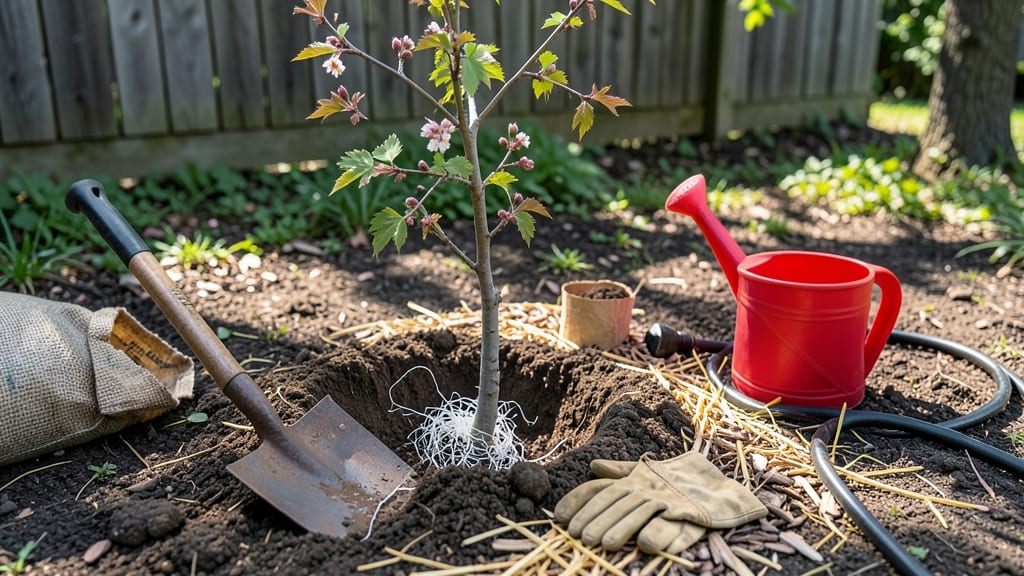
When to plant a tree in the ground could mean the difference between a thriving 🌳 and years of struggling growth. Planting a tree at the wrong time stresses its roots, delays establishment, and even risks failure—especially in Zone 6a where frost dates matter most.
Most gardeners assume spring is the only option, but fall planting often gives trees a critical head start on root development before winter. The key is understanding your local frost dates and soil conditions—both of which create a narrow window of opportunity.
In this guide, I’ll break down the best months for your climate zone, including why early spring or late fall works best for most species. You’ll also discover how to prepare your site, choose the right type of tree, and give it the care it needs to take root strong.
Whether you’re planting bare-root saplings or container-grown specimens, these insights will help you avoid common mistakes and set your tree up for decades of healthy growth. Let’s get started.
Best planting months by u.s. climate zone for maximum tree success
Timing is everything when planting trees—especially since root establishment happens best in cool, moist soil. The ideal window varies by climate zone, but most trees thrive when planted in early spring or fall, when temperatures are mild and rainfall is steady.
In hot climates, late summer can work too, but avoid extreme heat or frost periods.
For temperate zones (USDA 5-8), like much of the Midwest and Northeast, April or October are gold standards. These months give roots time to settle before summer droughts or winter freezes.
In cold zones (USDA 3-4), wait until late April or early May to avoid spring frost damage, while Mediterranean climates (USDA 9-11) benefit from November planting to beat summer dry spells.
🌳 Summary Table: Best Planting Months by U.S. Climate Zone
| Climate Zone | Ideal Planting Window | Key Considerations |
|---|---|---|
| Cold (USDA 3-4) | Late April–early May | Avoid spring frost; soil must thaw |
| Temperate (USDA 5-8) | April or October | Balanced temps; 4-6 weeks before/after frost |
| Hot (USDA 9-10) | Late summer (Aug-Sept) | Monsoon season helps root growth |
| Mediterranean (USDA 11) | November | Escape summer drought; mild winters |
💡 Pro Tip: Check your last frost date—plant 4-6 weeks before or after for best results.
In hot, dry climates (USDA 9-10), like Arizona or Southern California, August or September planting aligns with monsoon rains, giving young roots a hydration boost. For container-grown trees, you have slightly more flexibility—plant them anytime soil isn’t frozen, but prioritize early spring or fall for fastest establishment.
Regional exceptions exist! For example, coastal Pacific Northwest zones (USDA 7-9) can plant year-round thanks to mild winters, but avoid heavy rain seasons (Nov–Jan) when soil is waterlogged. Always research local microclimates—urban areas may be 5–10°F warmer than rural zones, altering ideal timing.
For bare-root trees, plant immediately after purchase—these dormant-season trees need moist soil to wake up. If you must delay, heelt them in (bury roots temporarily) and keep soil damp. Container-grown trees are more forgiving but still benefit from spring or fall planting to avoid transplant shock during heatwaves.
Soil temperature matters more than calendar dates. Use a soil thermometer—ideal root zone temps are 50–65°F. In southern states, this might mean planting in December, while northern zones may wait until June. Always prioritize root health over rigid schedules.
One common misconception is that summer planting is bad. While it’s riskier, deep watering and mulch can make it work in shaded, cool microclimates. Just avoid peak heat (July–August) unless you’re in a high-altitude or coastal area with cooler temps.
Finally, tree species matter. Fast-growing willows or poplars can handle late spring planting, while oaks or maples need fall for best survival. Always check the nursery tag for species-specific advice—some trees, like fruit trees, need dormant-season planting for proper bud set.
By aligning your planting with local climate patterns, you’ll give your tree the best shot at thriving for decades. Start with your USDA zone, then fine-tune with soil temps and species needs—your future shade tree will thank you! 🌳
Critical factors that determine tree planting timing (beyond just months)
Planting a tree isn’t just about picking a month—it’s about understanding soil temperature, frost dates, and your tree’s species-specific needs. These factors often override calendar months, especially in unpredictable climates.
For example, a bare-root tree planted too early may dry out, while a container-grown tree planted too late struggles to establish roots before winter.
Soil temperature is the #1 factor. Roots need consistent warmth (above 50°F/10°C) to grow. Use a soil thermometer to check—planting when soil is too cold stresses the tree, slowing root development.
In USDA Zone 6a, this typically means waiting until mid-April for spring planting or aiming for late September in fall.
Frost dates are another critical clue. Planting 4-6 weeks before the last frost gives roots time to establish before summer heat. In Zone 6a, this aligns with March-April, but in Zone 8b, you might extend planting into November.
Check your local frost calendar—it’s more reliable than guessing by month.
Rainfall patterns also play a role. Drought-prone areas (like Mediterranean climates) require deep watering schedules post-planting, while wet climates need well-draining soil to prevent root rot. For example, oak trees thrive in well-draining soil but wilt in soggy conditions, while willows tolerate moisture better.
Tree species maturity is often overlooked. Fast-growing trees (like poplars) can handle late spring planting, but slow growers (like oaks) need the full dormant season to establish. Always check the species tag—some even specify bare-root vs. container-grown planting windows.
Finally, consider container-grown vs. bare-root trees. Container-grown trees have established root systems and can plant later in the season (even early fall), while bare-root trees need immediate water access and must plant when soil is workable but not frozen. Adjust your timing based on what you’re buying!
By focusing on these five critical factors—soil temperature, frost dates, rainfall, species needs, and tree type—you’ll avoid the most common planting mistakes and give your tree the best shot at thriving for decades. 🌳