Plants
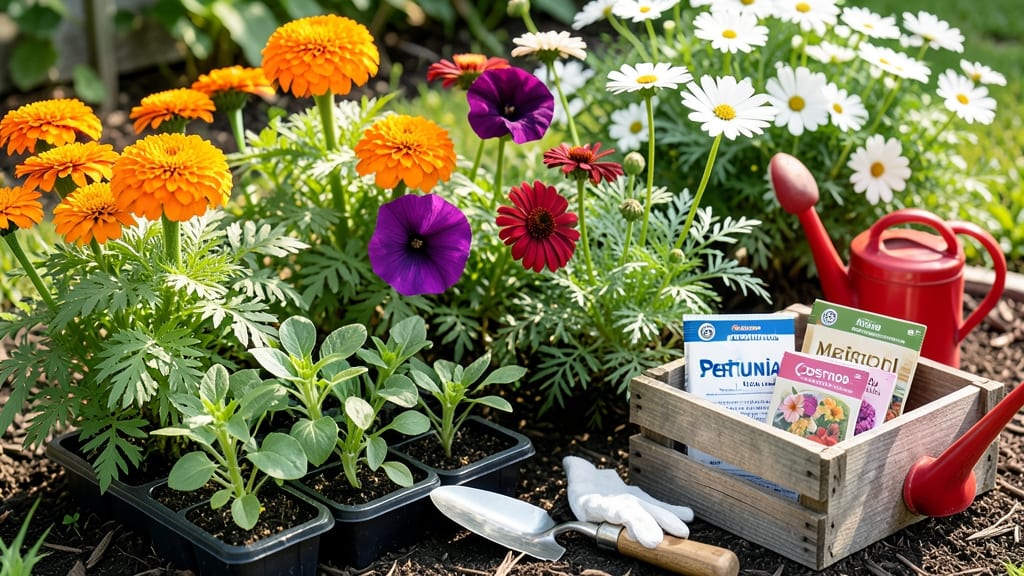
Timing your annuals planting in Virginia could be the difference between a lush summer garden and a sad, frost-bitten mess. With the state’s dramatic climate shifts—from the warm Coastal Plain to the cooler Appalachian Mountains—getting those seeds in the ground at the right moment is everything.
I’ve watched too many gardeners rush their plantings, only to have late frosts wipe out their hard work. The key isn’t just following a generic calendar—it’s understanding Virginia’s five distinct microclimates and their unique frost dates.
Whether you’re in Richmond’s humid Piedmont or the high-altitude valleys near Roanoke, the perfect window varies by weeks.
In this guide, I’ll break down the exact planting dates for your region, plus how to adjust for Virginia’s unpredictable spring weather.
You’ll learn which annuals thrive in your zone, how to use soil temperature as your secret weapon, and even how to stretch your growing season for an extra month of blooms.
No more guessing—just data-driven timing to turn your garden into the envy of the neighborhood. Let’s get those annuals 🌱 planted right, the first time.
Virginia’s annual planting zones: exact dates by region for frost-free success
Virginia’s climate varies dramatically from the humid Coastal Plain to the cooler Appalachian Mountains, making planting dates critical. The state spans USDA Zones 6b-8a, with last frost dates differing by 3-4 weeks between regions.
For example, Norfolk’s average last frost is March 15, while Roanoke’s is April 1. These differences mean your tender annuals like tomatoes or marigolds need precise timing to avoid frost damage.
To simplify, I’ve broken Virginia into 5 key microclimates with their unique planting windows. Whether you’re in the Piedmont’s rolling hills or the Valley & Ridge’s fertile soil, knowing your region’s frost dates is the first step to a thriving garden.
Let’s dive into the exact dates and what they mean for your cool-season vs. warm-season annuals.
🌱
For cool-season annuals like lettuce, pansies, or kale, aim to plant 4-6 weeks before your last frost date. This gives them time to establish roots before warmer weather arrives.
In the Coastal Plain, that means starting seeds indoors by February 1, while mountain gardeners should wait until late March.
Warm-season annuals, such as tomatoes, peppers, and zinnias, need soil temperatures above 60°F. Use a soil thermometer to confirm—planting too early can stunt growth. In Richmond, wait until April 22 for warm-season crops, but in Roanoke, hold off until May 1 to avoid late frosts.
Pro tip: Heat-tolerant varieties like ‘Heatmaster’ tomatoes or ‘SunPatiens’ can handle Virginia’s 90°F+ summers. These are perfect for Coastal Plain gardeners who want to extend their growing season into late fall.
🌿
If you’re unsure about your exact last frost date, check the Virginia Cooperative Extension’s frost maps or use a frost calendar app. Local nurseries often provide region-specific advice too. For example, Blacksburg gardeners in the Appalachian Plateau should plan for 2-3 weeks later than their Tidewater counterparts.
Remember, microclimates matter. A south-facing slope warms up faster than a north-facing garden bed, so adjust your planting dates accordingly. For instance, sheltered areas in the Piedmont might support earlier warm-season plantings than exposed spots.
Finally, fall planting
How to adjust planting times for Virginia’s unpredictable spring weather patterns
Virginia’s spring weather can be as unpredictable as a hummingbird’s flight path—one day it’s 60°F and sunny, the next it’s a 28°F frost. This variability forces gardeners to adjust planting times carefully.
The key is balancing soil temperature, air temperature, and frost warnings to give annuals the best shot at survival. I’ve learned the hard way that planting too early can mean wilting petunias, while waiting too long might leave your garden bare until summer.
Start by checking the Virginia Cooperative Extension’s frost dates for your specific region. For example, the Coastal Plain averages its last frost around March 15, while the Blue Ridge Mountains often sees frost until May 1.
These dates are your baseline, but they’re not set in stone. Use a soil thermometer to confirm when the ground reaches at least 50°F for cool-season annuals or 60°F+ for warm-season varieties like tomatoes and peppers.
Here’s a pro tip: Follow the 10-10-10 rule. Plant when the average daily temperature stays above 10°F for the night, 10°F for the day, and the soil temperature is at least 10°F warmer than the air.
This rule helps you avoid those sneaky late frosts that can turn your garden into an icy wasteland overnight.
False springs—warm spells followed by frost—are Virginia’s specialty. If you plant tender annuals like marigolds or zinnias too early, a late frost can wipe them out. Use frost cloths or row covers as a safety net for the first 2-3 weeks after planting.
For extra protection, opt for cold-hardy annuals like pansies or snapdragons, which can handle light frosts down to 25°F.
Another trick I swear by is the “wait-and-see” method for warm-season plants. Instead of planting tomatoes or basil on the recommended date, wait until you’ve seen 3 consecutive days above 55°F at night.
This reduces the risk of stunted growth or death. For containers, you can extend the season by moving pots closer to the house or under a cloche during cold snaps.
Don’t forget about microclimates within your yard. A south-facing wall or a sunny patio can create a 5-10°F warmer zone than the rest of your garden. Use these spots to plant heat-loving annuals like portulaca or lantana a week or two earlier than the general guideline.
Conversely, shady or low-lying areas will frost longer, so delay planting there by 10-14 days.
Finally, keep an eye on the National Weather Service’s frost advisory and sign up for local alerts. My garden thrives because I treat planting dates like a flexible deadline, not a rigid rule.
By combining soil science, local knowledge, and a little patience, you’ll turn Virginia’s weather quirks into an advantage for a longer, more vibrant growing season.