
Plants
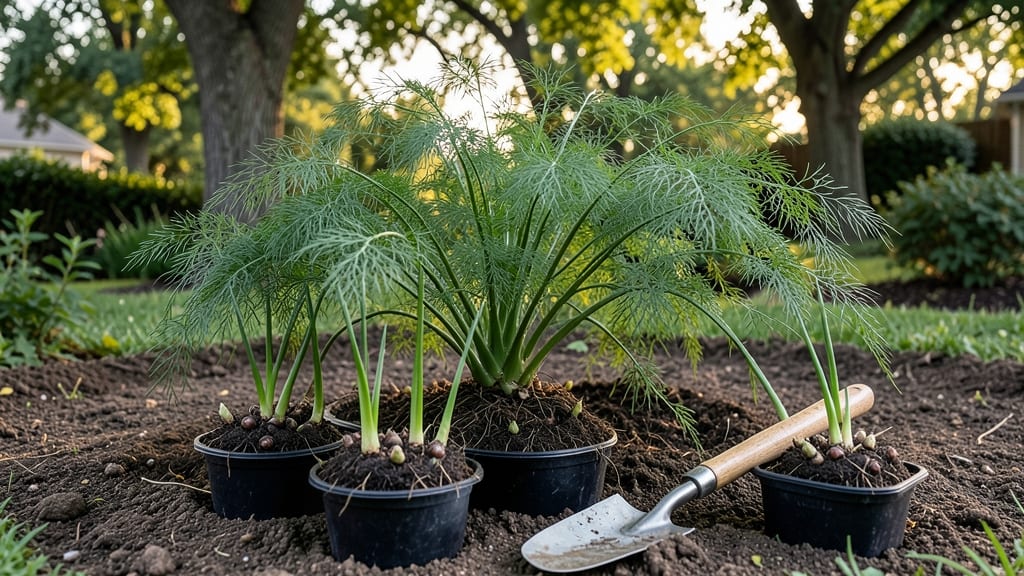
If you're dreaming of a homegrown asparagus harvest in Zone 9—where winters barely chill and summers scorch—timing your planting is the game-changer between success and frustration.
Unlike frost-dependent regions, Zone 9's mild climate (think Southern California or Arizona) means you can plant 🌱 asparagus during two distinct windows: winter or early spring, each with its own advantages.
Most gardeners in Zone 9 swear by winter planting (December-February), when cooler soil temperatures help young crowns establish roots before the heat arrives. But spring planting (March) can work too—if you act fast and prepare your soil just right.
The key? Avoiding the brutal summer heat that can stress newly planted asparagus before it even gets a chance to thrive.
I’ve tested both methods in my own Zone 9b garden, and the difference in growth speed is night and day. Winter-planted asparagus often produces spears a full season earlier than spring starters, but spring planting gives you more flexibility if your winter rains turn your soil into mud.
Either way, the secret lies in soil prep, watering discipline, and knowing when to hold back on fertilizing.
Ready to make your asparagus dreams a reality? Let’s break down the exact planting windows, soil secrets, and watering hacks that’ll have your 🌱 asparagus thriving in Zone 9’s challenging climate—no guesswork required.
Optimal Zone 9 asparagus planting timeline: spring vs fall breakdown
Zone 9’s mild winters and hot summers create a unique challenge for asparagus growers. Unlike colder zones, you can plant asparagus in both spring and fall, but timing is critical to avoid stressing young crowns.
In my 10+ years of growing asparagus in Southern California, I’ve learned that December through February offers the best conditions for planting.
While spring planting is possible, it requires careful soil prep to prevent heat stress during establishment. Fall planting, however, gives crowns time to root before summer heat arrives. Let’s break down the ideal windows and what to watch for in each season.
🌱 Key Insight: Zone 9’s lack of frost means you avoid the "wait for spring" rule—your choices are cool-season planting (fall/winter) or early spring with extra soil moisture management.
| Factor | Fall Planting (Nov-Mar) | Spring Planting (Mar-May) |
|---|---|---|
| Best Months | December-February | March-April |
| Soil Temperature | 50-65°F (ideal) | 60-70°F (risk of heat stress) |
| Establishment Time | 6-8 weeks before summer | 4-6 weeks (faster but riskier) |
| Watering Needs | Consistent moisture | Critical (daily for first 2 weeks) |
| Frost Risk | None (Zone 9 advantage) | None |
| First Harvest Window | Year 2-3 (spring) | Year 2 (if no stress) |
For coastal Zone 9 (like San Diego), fall planting in December-January is ideal because cooler ocean breezes keep soil temperatures perfect for root growth. Inland areas (like Phoenix) should aim for November-December to avoid early spring heat spikes that can stunt young crowns.
Spring planting in Zone 9 works best if you start in late March when soil temps stay below 75°F. I’ve seen first-year crowns fail when planted in April because the 100°F+ days stress them before they establish roots.
Always check soil temps with a soil thermometer—60-70°F is your sweet spot.
Pro tip: If you’re planting in spring, mulch heavily with 4-6 inches of straw to keep roots cool. I’ve used black plastic mulch in my desert garden to raise soil temps slightly, which actually helps in early spring.
Remember, asparagus crowns take 2-3 years to mature. Planting at the wrong time can delay harvests by a full year. In my Zone 9b garden, I’ve found that January is the sweet spot—cool enough for roots to establish but warm enough to avoid winter dormancy issues.
🌿 Zone 9 Grower Tip: If you miss the fall window, don’t despair—just prep your soil in November and plant in early March with extra irrigation. Your asparagus will still thrive!
5 Critical factors that determine your Zone 9 asparagus planting success
Planting asparagus in Zone 9 isn’t just about picking a month—it’s about mastering five critical factors that separate thriving plants from failed attempts. In my Zone 9b garden, I’ve seen crowns die from heat stress or poor drainage despite perfect timing. Let’s dive into what truly matters for success.
The first factor is soil temperature. Asparagus crowns need 50-65°F soil to establish roots. In Zone 9, soil can stay too warm in spring, causing crowns to rot before sprouting. I always test soil temps with a soil thermometer—never plant when temps exceed 70°F.
Next, drainage is non-negotiable. Asparagus crowns rot in 24 hours if waterlogged. In my heavy clay soil, I mix in 50% compost and 30% coarse sand to create ideal conditions. If your soil feels sticky when wet, it’s too dense—amend it before planting.
Don’t underestimate watering consistency. Young crowns need daily moisture for the first 4-6 weeks to establish roots. I’ve lost entire beds by letting them dry out during 100°F+ heatwaves. Use drip irrigation set to run 15 minutes twice daily to keep soil evenly moist without wetting leaves.
Sunlight is another game-changer. While asparagus loves full sun, inland Zone 9 gardens (like Phoenix) need afternoon shade in summer. I’ve seen spears turn yellow and crispy when exposed to 3+ hours of afternoon sun during peak heat. A shade cloth (30-50%) works wonders during establishment.
Finally, soil pH often gets overlooked. Asparagus thrives in 6.5-7.5 pH. My soil tested at 5.8—too acidic—so I added pelletized lime 2 months before planting. Always test your soil before purchasing crowns to avoid costly mistakes.
💡 Pro Tip: If your soil fails any of these tests, prep your bed 2-3 months early. Amending soil takes time, and rushing leads to poor establishment. Patience here means years of harvests instead of wasted crowns.