
Trees
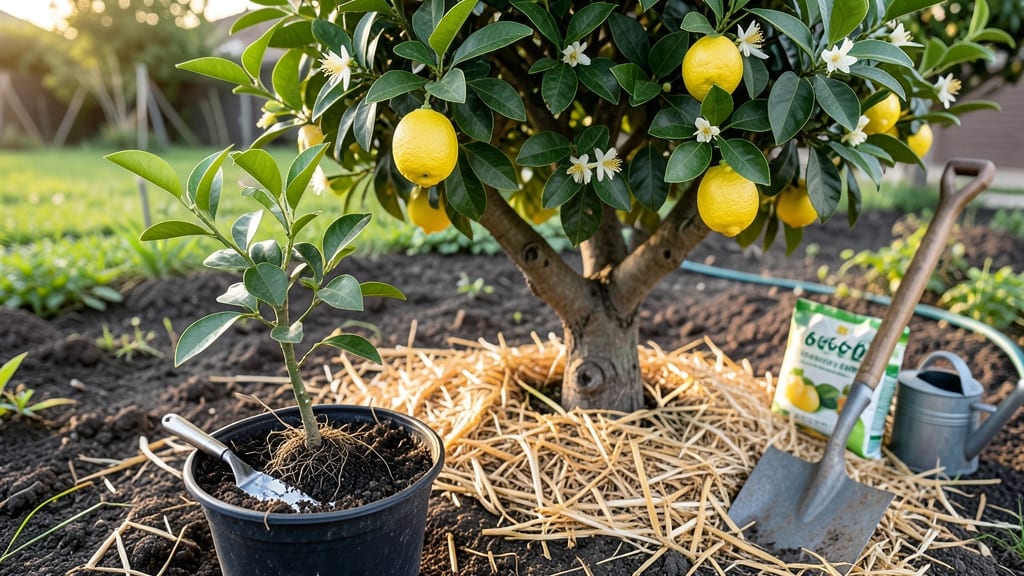
Optimal planting months for citrus trees in southern California’s microclimates
Southern California’s diverse climate—from coastal San Diego to inland Palm Springs—creates unique challenges for citrus planting. Unlike northern states, frost isn’t the main concern, but soil temperatures and summer heat dictate the best times.
Coastal areas like Malibu stay mild year-round, while inland valleys like Coachella can hit 100°F+ in summer, stressing young trees.
For coastal regions (USDA Zones 9b-10), the ideal window stretches from November through April. The ocean’s moderating effect means soil stays warm enough for root growth without extreme heat.
In contrast, inland areas (Zones 10a-11) benefit from planting between January and March, avoiding the brutal summer dry spells that can shock newly planted trees.
Here’s the key difference: Coastal citrus can handle late winter planting (even February), while inland trees thrive with an early spring start to beat the heat. Both regions avoid summer planting due to intense sun and drought stress, which can kill young roots within weeks.
| Factor | Coastal (e.g., San Diego, Santa Barbara) | Inland (e.g., Riverside, Palm Springs) |
|---|---|---|
| Best Planting Window | November–April | January–March |
| Soil Temperature Goal | 60–70°F (roots establish fast) | 65–75°F (avoid summer heat shock) |
| Frost Risk | None (mild winters) | None (but heat stress > frost) |
| Watering Challenge | Consistent moisture (fog can help) | Drought stress (deep watering critical) |
| Summer Planting Risk | Low (but watch for heat spikes) | High (roots burn in 90°F+ soil) |
🌱 Pro Tip: Test soil temp with a thermometer—roots need consistent warmth to avoid transplant shock.
Soil temperature is your secret weapon. Use a soil thermometer to confirm 60°F+ before planting. Inland areas often need 5–10°F warmer soil than coastal spots due to summer heat.
For example, Palm Springs may hit 95°F soil in July, while Santa Monica stays at 75°F—a 20°F difference that affects root health.
Container-grown citrus (like Meyer lemons) adapt better to late planting because their roots are already established. Bare-root trees, however, need cooler soil to avoid shock. If you’re planting in May or June, opt for containerized trees and provide 50% shade for the first month.
Another critical factor is rainfall patterns. Coastal areas get winter rains, which can waterlog soil if drainage is poor. Inland regions rely on manual irrigation, so drip systems are a must. Both scenarios require well-amended soil—mix in compost and perlite to improve drainage and moisture retention.
Don’t overlook microclimates within cities. A Valencia orange tree in Pasadena (inland) may thrive planted in February, while the same tree in La Jolla (coastal) could wait until March. Use local weather apps to track heatwave forecasts—even a 3-day 90°F stretch can stall root growth.
For dwarf citrus varieties (like Calamondin oranges), timing is less critical because they’re hardier and adapt faster. Standard-sized trees, though, demand precision. Plant a Navel orange in January inland or February coastal to align with natural bloom cycles and maximize fruit yield.
Finally, avoid planting during Santa Ana winds (common in fall/winter). These hot, dry winds can desiccate young leaves and roots. Check the National Weather Service for wind alerts—delay planting if winds exceed 20 mph for more than 24 hours.
By aligning your planting schedule with soil warmth, rainfall, and wind patterns, you’ll give your citrus trees the best possible start. Whether you’re in coastal Malibu or desert Palm Desert, these microclimate tips ensure your trees root deeply and thrive—not just survive.
How to choose the perfect planting time based on citrus variety and location
Southern California’s diverse climate means your Meyer lemon in San Diego might thrive in January, while a Valencia orange in Riverside needs to hit the ground by March.
The key lies in matching your citrus variety to your microclimate, where coastal areas stay mild year-round but inland zones can swing from 90°F summers to surprisingly chilly 40°F nights in winter.
For coastal regions like Malibu or Santa Barbara, you can plant citrus trees year-round thanks to frost-free winters. However, I recommend late winter (February-March) to give roots time to establish before summer’s heat.
Inland areas—think Bakersfield or Palm Springs—should wait until April to avoid stressing young trees during 100°F+ heatwaves.
Here’s how variety-specific timing plays into your planting strategy:
| Variety | Best Planting Window | Coastal Adjustment | Inland Adjustment |
|---|---|---|---|
| Meyer Lemon | February–March | January (milder winters) | April (avoid summer stress) |
| Valencia Orange | March–April | February (earlier root growth) | May (post-heatwave) |
| Navel Orange | February–March | January (low frost risk) | April (soil warmth needed) |
| Grapefruit (Ruby Red) | March–April | February (cooler roots preferred) | May (heat tolerance) |
| Lime (Bearss) | February–March | January (humidity helps) | April (drought resilience) |
If you’re planting dwarf varieties in containers, shift your timing 1–2 months earlier—they dry out faster and need to establish roots before summer’s intensity. For standard-sized trees, prioritize soil temperature over calendar months: aim for 60°F+ soil (use a soil thermometer to check).
Pro tip: Transplant shock is worse in summer, so avoid planting during June–August unless you’re using shade cloth for the first 30 days. Coastal gardeners can push boundaries, but inland growers should never plant after May—the heat will fry tender roots before they adapt.
For container citrus, I’ve had success planting Meyer lemons in December on the coast, but I always bury the pot 2/3 into the ground to stabilize the tree and mimic in-ground conditions. Inland containers? Wait until April and use self-watering pots to prevent drought stress.
🌱