
Plants
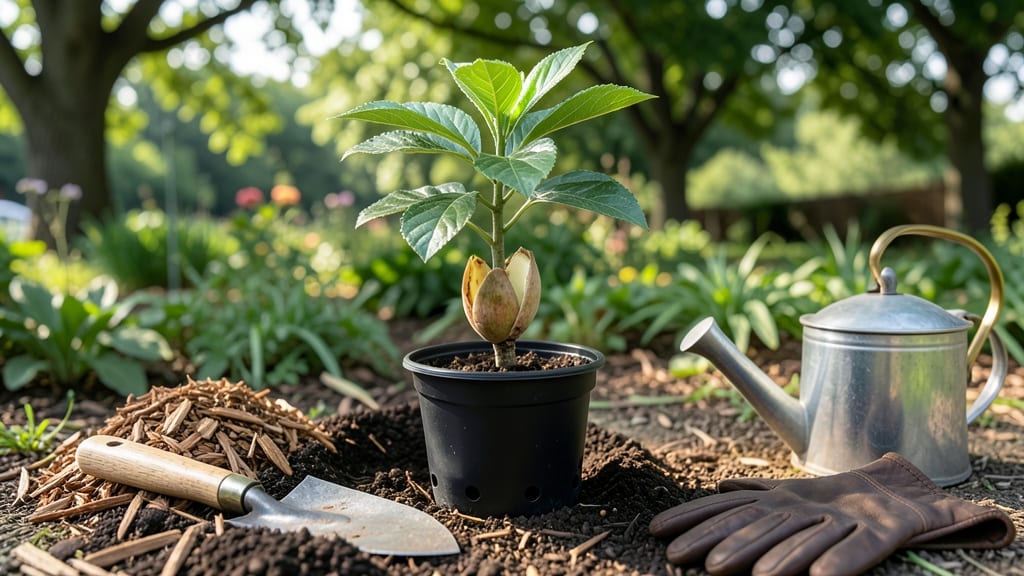
Timing is everything when it comes to planting a 🥑 avocado in soil—get it wrong, and your young tree could freeze before it even takes root. The key to success lies in understanding your local climate, especially since avocados are frost-sensitive and thrive best in warm, frost-free conditions.
If you're in USDA Zones 9b-10a (like California or Florida), you can plant year-round, but the ideal window is spring or early fall when temperatures are mild.
For colder zones like Zone 6, wait until after the last frost—typically late April or May—to give your sapling the best shot at survival.
Don’t just guess—check soil temperatures (aim for 60°F+) and monitor local frost dates. I’ll walk you through exactly how to prepare your soil, choose the right planting window for your area, and spot early signs your avocado is off to a great start.
With the right timing and care, you could be harvesting homegrown avocados in just 1-2 years. Let’s make sure your planting effort pays off big time.
Best months to plant avocado trees by USDA climate Zone
Timing your avocado tree planting is critical—these tropical trees despise frost and need warm soil to thrive. In USDA Zones 9-11, you can plant year-round, but spring (March-May) offers the best balance of warmth and moisture.
For colder zones (Zone 8 and below), container growing is your only option unless you have a microclimate with extended heat.
Avocados require consistent temperatures above 60°F (15°C) to establish roots. In Zone 10a+, plant anytime, but avoid heavy rain seasons to prevent waterlogged soil. In Zone 9b, aim for February-May when frost risk drops below 10%.
For Zone 8, wait until May-June after the last frost date or grow in containers you can move indoors.
Here’s how to match your zone to the perfect planting window:
| USDA Zone | Ideal Planting Months | Soil Temp Requirement | Frost Risk | Growing Method |
|---|---|---|---|---|
| Zone 10a-11 | Year-round (avoid rain season) | 65°F+ (18°C+) | None | In-ground or container |
| Zone 9b | February–May | 60°F+ (15°C+) | Low (Dec–Jan) | In-ground (protected) or container |
| Zone 8 | May–June (after last frost) | 65°F+ (18°C+) | Moderate (Oct–Apr) | Container (move indoors in winter) |
| Zone 7 | June–July (or start indoors) | 70°F+ (21°C+) | High (Nov–Mar) | Container (indoor winter care) |
| Zone 6 or below | Indoors (8–12 wks before last frost) | 75°F+ (24°C+) | Very High | Container (year-round indoor/outdoor) |
In Zone 10a+, where frost is rare, focus on soil moisture—avoid planting during monsoon seasons (e.g., July-September in Arizona) to prevent root rot. For Zone 9b, like Southern California or Florida, March-April gives young trees time to establish before summer heat peaks.
If you’re in Zone 8 (e.g., parts of Texas or Georgia), wait until after Memorial Day to plant outdoors. Use a heat mat to warm soil to 65°F (18°C) before planting. In Zone 7 or colder, start seeds indoors in February and transplant after the last frost—typically late May-June.
Pro tip: Check your local frost-free days (e.g., 165 days in Zone 6 vs. 365 in Zone 10a). Avocados need at least 200 frost-free days to bear fruit, so plan accordingly. Use a frost cloth for young trees in transitional zones like Zone 8b.
For container growers in cold climates, spring planting (March-April) gives you time to move pots indoors before first frost. Place containers near a south-facing window or under grow lights for 12+ hours of light daily during winter.
Remember: Soil temperature matters more than air temperature. Use a soil thermometer to confirm it’s above 60°F (15°C) before planting. In cooler zones, black plastic mulch can raise soil temps by 5–10°F.
How to choose the perfect planting time for your local weather
Your avocado tree’s success hinges on more than just USDA zones—local weather patterns play a huge role. Coastal areas stay milder longer than inland zones, while rainfall patterns can drown young roots if you plant at the wrong time.
For example, Los Angeles (Zone 10a) has dry summers, making spring planting ideal, while Miami (Zone 11)’s humid summers demand elevated beds to prevent waterlogging.
Start by monitoring soil temperature—not air temperature. Use a soil thermometer to confirm it’s above 60°F (15°C) at 6 inches deep. Inland areas like Arizona’s Phoenix can hit 90°F (32°C) by May, while coastal San Diego stays cooler due to ocean breezes.
Plant when soil warms to 65°F (18°C) for faster root growth.
🚨 WARNING: Planting too early in transitional zones (Zone 8-9) risks frost damage. Check your local frost dates—even a 28°F (-2°C) dip can kill young trees. Use a frost-free calendar (like Almanac’s Frost Calculator) to pinpoint your last frost date.
In Zone 9b, aim for March-April; in Zone 8, wait until after Memorial Day.
Microclimates can shift planting windows by weeks. A south-facing slope warms 5–10°F faster than a north-facing yard. If your garden sits in a valley, frost lingers longer—plant 2–4 weeks later than nearby hills.
For container growers, move pots to a sunny patio in spring and sheltered balcony in fall to extend the growing season.
Adjust for rainfall trends: In Florida’s Zone 10b, summer storms mean planting in spring (March-April) avoids soggy soil. In California’s Central Valley (Zone 9a), dry summers allow year-round planting, but winter rains make fall planting risky.
Always dig a 6-inch hole to check drainage—if water pools after 1 hour, amend soil with perlite or sand.
For coastal vs. inland adjustments: Coastal areas (e.g., San Francisco) have cooler summers and milder winters, so plant 1 month later than inland Sacramento. Inland zones like Las Vegas (Zone 9a) experience extreme heat by June—plant in early spring (March) to beat the summer dry spell.
Use mulch to retain moisture and shade cloth for young trees during 100°F+ days.
Pro tip: If your area has unpredictable weather, like Texas’ sudden freezes, plant dwarf varieties (e.g., Mexicola) in containers for flexibility. Monitor local weather forecasts for heat waves or cold snaps—your avocado’s first 2 years are the most vulnerable.
With the right timing, you’ll see first fruit in 3–5 years!