
Companion Plants
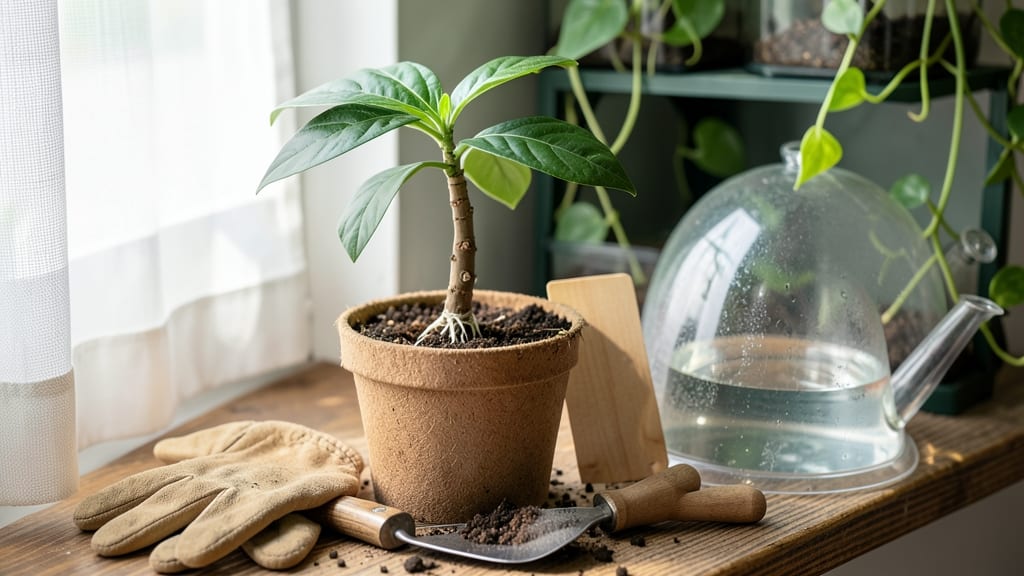
That moment when your avocado seed finally sprouts roots in water is thrilling—but now you're wondering: when can I plant my avocado seed in soil without risking frost damage or stunted growth?
The answer depends on your climate, and getting it right is the difference between a thriving 🥑 tree and a sad, leggy seedling.
Most gardeners in USDA Zone 6a should wait until after the last frost (typically mid-April) when soil temperatures hit at least 60°F. That’s your frost-free window to transplant without shocking delicate roots.
Tropical zones? You’ve got more flexibility, but even there, timing matters to avoid heat stress during the transition.
Here’s the game-changer: your seedling needs 3-5 strong leaves and a 4-6 inch root system before hitting soil. We’ll walk you through the exact steps to prep it—whether you’re moving it outdoors or keeping it indoors for now.
No more guessing, just a clear timeline to set your avocado up for success.
Ready to avoid the common pitfalls? I’ll show you how to check for transplant readiness, the best soil mix for young roots, and why some gardeners swear by a 3-step hardening process before full exposure. Let’s get your avocado tree off to the right start!
Optimal planting window for avocado seeds in soil: frost-free guidelines
Avocado seeds thrive in warm soil and frost-free conditions, making spring the ideal time to transition your seedling from water to soil.
In most regions, this means waiting until after the last frost date—typically April to May in the U.S. For example, in USDA Zone 6a, where frost lingers until mid-April, I wait until late May to plant mine.
In warmer zones (like Zone 9-11), you can plant as early as February or March when soil temperatures consistently stay above 60°F (15°C).
Avocado seedlings are tropical plants and cannot tolerate frost—even a light freeze will kill young leaves and stunt growth.
If you live in a temperate climate, consider starting seeds indoors in winter (using a south-facing window or grow light) and delaying soil planting until all frost risk has passed.
In tropical climates, you can plant year-round, but spring or fall still offers the best balance of warmth and moisture.
Before planting, check your local frost dates (use the [USDA Plant Hardiness Zone Map](https://planthardiness.ars.usda.gov/) for reference) and monitor soil temperature. A soil thermometer is your best tool—plant only when readings hit at least 60°F (15°C) for 5+ consecutive days.
Cold soil slows root growth and increases the risk of root rot or fungal infections in your delicate seedling.
🌱
| Climate Zone | Last Frost Date | Ideal Planting Month | Soil Temp Requirement | Key Risk |
|---|---|---|---|---|
| USDA Zone 6a-8b (Temperate) | Mid-April to early May | Late May–June | ≥60°F (15°C) | Frost damage |
| USDA Zone 9-11 (Tropical) | None (year-round) | February–March or September–October | ≥65°F (18°C) | Overheating in summer |
| Indoor Start (Any Zone) | N/A (Year-round) | Transplant to soil in spring | Room temp (68–75°F) | Leggy growth (lack of light) |
*Adjust for microclimates (e.g., urban heat islands may allow earlier planting.)
If you’re unsure about your local frost dates, use a simple trick: Plant marigolds or basil nearby as frost-sensitive indicators. When these plants thrive without damage, it’s safe to transplant your avocado seedling.
Alternatively, sign up for free frost alerts from your local Cooperative Extension Service—they send notifications when it’s safe to plant warm-season crops like avocados.
For container gardening, timing is slightly more flexible since you can move pots indoors if frost threatens. However, avocado seedlings still need bright light (6+ hours of sun) and warmth (70–80°F during the day).
If you’re growing in a pot, delay planting until your seedling has 2–3 sets of mature leaves and a root system 2–3 inches long. This usually takes 8–12 weeks after germination.
One common mistake I see is planting too early in hopes of a longer growing season. But cold soil stresses seedlings, leading to yellow leaves or stunted roots. Instead, prioritize warmth—your seedling will grow faster and stronger once conditions are ideal.
In my experience, a well-timed transplant in late spring results in a healthier, more resilient tree by summer.
🌿
Pro tip: If you’re in a cooler climate, consider mulching with straw or wood chips after planting to retain soil heat. This mimics the tropical conditions avocado trees love and helps roots establish faster.
Just avoid piling mulch against the stem—keep it 2–3 inches away to prevent rot.
Finally, if you’re growing avocados in pots long-term, you can plant in early spring (March–April) as long as you bring containers indoors during cold snaps. Just ensure your pot has drainage holes and use a light, airy potting mix (like a 50/50 blend of cactus mix and perlite).
This gives you more flexibility while still protecting your seedling from frost.
Optimal planting window for avocado seeds in soil: frost-free guidelines
Avocado seeds thrive when transplanted into soil during warm, frost-free conditions. In most USDA Zones 9-11 (tropical climates), you can plant seeds directly in soil year-round, but temperate zones (6-8) require careful timing to avoid cold shock.
The ideal window is after your last frost date—typically mid-spring (April–May)—when soil temperatures hit at least 60°F (15°C).
For indoor starters, wait until your seedling develops 2-3 sturdy leaves and a root system 2-3 inches long. Outdoor planting should align with local frost-free averages: in Zone 7, aim for May 15; in Zone 10, you can plant as early as February.
Always check your local frost calendar for precision.
| Climate Zone | Last Frost Date | Ideal Planting Window | Soil Temp Requirement |
|---|---|---|---|
| USDA Zones 9-11 (Tropical) | No frost | Year-round (indoor/outdoor) | 60°F+ (15°C+) |
| USDA Zones 7-8 (Temperate) | Mid-April to early May | Late April–June | 65°F+ (18°C+) |
| USDA Zones 6 or colder | Mid-May | June–July (or start indoors) | 70°F+ (21°C+) |
If you’re in a cooler zone, start seeds indoors 8–12 weeks before your last frost to give them a head start. Use a south-facing window or grow lights to mimic 6+ hours of sunlight daily.
Avocado seedlings are sensitive to cold drafts, so avoid planting outdoors until nights stay above 50°F (10°C).
For container gardening, transplant seedlings into well-draining potting mix (avoid compacted soil) and place pots in a sunny spot with partial shade during the first week to reduce stress. Water deeply every 2–3 days until established, as overwatering can drown delicate roots.
Pro tip: Test soil temperature with a soil thermometer—avocado roots thrive in warmth. If your area experiences late frosts, opt for black plastic mulch to warm the soil faster.
Patience pays off: a seedling planted at the right time grows 2–3 times faster than one stressed by cold.
Once your seedling hits 6–12 inches tall and has 4–5 leaves, it’s ready for its permanent soil home. Harden it off by placing it outdoors for 2–3 hours daily over 7–10 days before full transplant. This gradual transition prevents shock and leaf drop. 🥑