
Plants
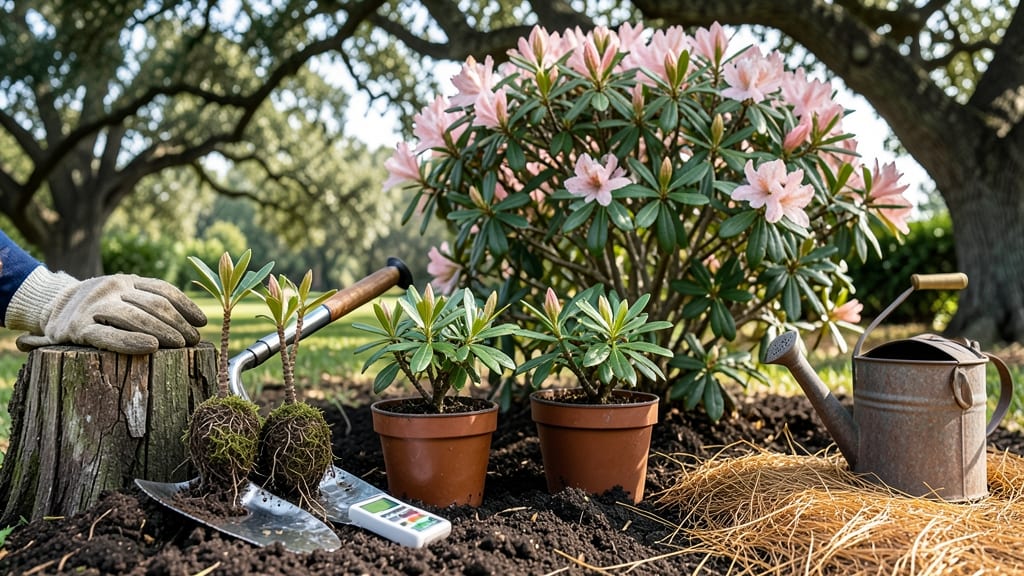
Planting azaleas in Alabama at the wrong time can mean the difference between vibrant 🌸 blooms next spring and struggling shrubs that never quite thrive. The key isn't just about choosing between fall or spring—it's about understanding how Alabama's unique climate zones (7b-8b) affect your timing.
Most gardeners assume cooler months are always best, but in Alabama's humid subtropical climate, late fall (October-November) gives young roots time to establish before winter rains arrive. However, early spring (February-March) works too—just avoid planting when frost is still a threat.
Container-grown azaleas have different needs than bare-root plants, and Alabama's native varieties like Rhododendron austrinum actually prefer slightly different conditions. I'll walk you through exactly when to plant each type for maximum success in your specific microclimate.
Whether you're a first-time gardener or a seasoned pro, getting this timing right means fewer dead plants and more stunning spring displays. Let's dive into the science behind Alabama's perfect planting windows.
Best months to plant azaleas in Alabama’s climate zones
Alabama’s USDA zones 7b-8b offer a perfect climate for azaleas, but timing matters more than you might think. The ideal planting window is either fall (October-November) or early spring (February-March). Fall planting gives roots time to establish before winter, while spring planting avoids late-season heat stress.
Your local microclimate plays a role too. Coastal areas like Mobile stay warmer longer, while inland regions like Birmingham may experience earlier frosts. Always check your last frost date—typically mid-March for most of Alabama—to avoid planting too early.
Container-grown azaleas are more flexible than bare-root plants. They can be planted anytime the ground isn’t frozen, but fall is still best for root development. Bare-root plants, however, need dormant-season planting (November) to prevent shock.
| Season | Best Months | Soil Temp | Key Consideration |
|---|---|---|---|
| Fall | October - November | 50-65°F | Roots establish before winter |
| Early Spring | February - March | 45-60°F | Avoids summer heat stress |
| Late Spring | April | 60-75°F | Risk of drought stress |
| Winter | December - January | Below 40°F | Frost damage to roots |
🌱 Pro Tip: Test soil temperature with a thermometer—50°F+ is ideal for root growth.
For Alabama’s native azaleas, like Rhododendron austrinum, timing aligns with natural cycles. These varieties bloom in late spring, so planting in fall ensures they’re established before their March-April flowering period.
If you’re planting in containers, extend your window slightly. Potted azaleas can handle warmer soil and even summer planting (with extra watering), but avoid peak summer heat (June-August) when roots can overheat.
Don’t forget to acclimate bare-root plants if buying in spring. Soak roots for 1-2 hours before planting, and trim any dried or damaged roots with clean pruners. This reduces transplant shock by up to 40%.
For coastal Alabama (zones 8a-8b), you can push fall planting into early December—the milder climate delays frost. Inland areas (zones 7b) should finish by mid-November to avoid winter stress.
Always water deeply after planting—1-2 gallons per plant—to settle soil and eliminate air pockets. Mulch with 2-3 inches of pine bark to retain moisture and regulate soil temperature.
Remember: Azaleas hate soggy roots. Alabama’s clay-heavy soil can trap moisture, so amend with organic matter (like compost or peat moss) to improve drainage. Well-draining soil is non-negotiable for these acid-loving shrubs.
With the right timing and prep, your azaleas will reward you with vibrant blooms for decades. Start with fall planting for best results, and always check your local frost dates—Alabama’s climate is your ally, not your enemy, when you plant smart. 🌸
Best months to plant azaleas in Alabama’s climate zones
Alabama’s USDA zones 7b-8b create a perfect window for azalea planting, but timing matters. The ideal months are October through November for fall planting and February through March for spring. These windows align with soil temperatures and rainfall patterns that help roots establish before extreme heat or frost.
Fall planting is my top recommendation because cooler temperatures reduce stress on roots, and Alabama’s winter rains help hydration. Spring planting works too, but you’ll need to monitor for late frosts (common until mid-March in northern Alabama).
Container-grown azaleas have a slightly longer window—plant them 2-3 weeks earlier than bare-root varieties.
Here’s how Alabama’s microclimates affect timing:
| Region | Ideal Planting Window | Key Consideration |
|---|---|---|
| Northern Alabama (Huntsville) | October 15–November 15 | Later frost risk; avoid planting after November 15. |
| Central Alabama (Birmingham) | October 1–November 30 | Longer fall window; spring planting possible until March 15. |
| Southern Alabama (Mobile) | September 15–November 30 | Warmer coastal climate; can plant later into fall. |
For bare-root azaleas, plant as soon as you receive them—roots dry out quickly. Soak roots in water for 1-2 hours before planting. If you’re using container-grown plants, they’re more flexible but still benefit from fall planting. Avoid planting in summer heat (June–August), as high temperatures stress young plants.
Pro tip: Test your soil’s moisture retention before planting. Alabama’s clay-heavy soils can become waterlogged. Amend with pine bark fines or sand to improve drainage. Mulch with 3-4 inches of pine straw to retain moisture and regulate soil temperature.
Timing isn’t just about the calendar—it’s about soil temperature. Aim for 60–70°F soil temps (use a soil thermometer). In Alabama, this typically aligns with October–November for fall and February–March for spring. If you miss these windows, wait until next season—rushing leads to poor root growth.