Plants
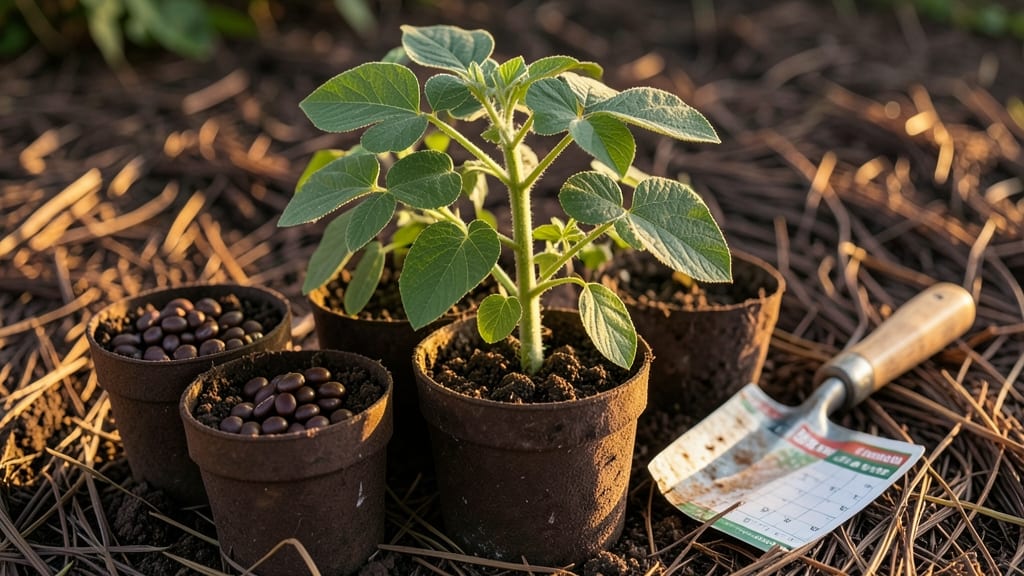
California bean planting zones by region: exact weeks to avoid bolting
California’s bean-growing zones vary dramatically—from coastal fog belts to Central Valley heat—so your planting timing must match your microclimate. The key is avoiding bolting (premature flowering) triggered by cool nights or heat stress.
Below are the exact weeks to plant beans in California’s three primary regions, based on soil temperature and last frost dates.
For Northern California (e.g., San Francisco Bay Area), aim for late February to early April when soil hits 60°F. Coastal areas like Santa Barbara can plant as early as January due to milder winters, while inland valleys (e.g., Sacramento) should wait until mid-April to avoid frost damage.
Southern California’s Los Angeles Basin offers a year-round planting window, but peak harvests come from March to June plantings.
| Region | Ideal Planting Months | Soil Temp Range (°F) | Last Frost Date Buffer | Bolting Risk Level | Best Varieties |
|---|---|---|---|---|---|
| North Coast (San Francisco, Redwoods) | Late February–Early April | 60–70°F | After Dec 15 | High (cool nights) | Contender, Blue Lake |
| Central Valley (Sacramento, Fresno) | Mid-April–Early June | 65–80°F | After March 15 | Medium (heat stress) | Santa Ana, Provider |
| Southern California (LA Basin, San Diego) | March–June (year-round possible) | 60–75°F | After Feb 1 | Low (mild winters) | Blue Lake, Tendergreen |
⚠️ Critical 2-Week Windows: Planting outside these ranges risks bolting or poor germination.
In Northern California, the 2-week window between late February and early March is critical—planting too early risks frost, while waiting too long exposes seeds to heat stress. Use row covers if nights dip below 50°F to protect young seedlings.
For the Central Valley, mid-April marks the sweet spot: soil warms quickly, but June plantings risk bolting as temperatures climb above 85°F.
Southern California gardeners enjoy flexibility, but March–April plantings yield the most consistent harvests. If you’re in coastal areas (e.g., Santa Barbara), you can even plant year-round, but avoid summer heat (July–August) for bush beans, which struggle with bolting.
Pole beans handle heat better—ideal for SoCal’s long growing season.
Pro tip: Check your local USDA zone (e.g., Zone 9b for LA, Zone 8a for Sacramento) and adjust by 1–2 weeks if your microclimate differs. For example, mountain foothills (e.g., Napa Valley) may need 3–4 weeks earlier than valley floors.
Always test soil temperature with a soil thermometer—beans need consistent warmth above 60°F to thrive.
Bolting risk spikes when daytime temps exceed 85°F or nighttime temps drop below 50°F. Use shade cloth in summer or row covers in spring to buffer extreme conditions.
For succession planting, stagger seeds every 2 weeks to extend your harvest through fall—just stop by early September in inland areas to avoid early frost.
🌱
How to adjust planting dates for your microclimate: 3 key factors
California’s microclimates can shift planting windows by weeks—even just a few miles apart. If you’re in a coastal fog belt, you might plant in January, while inland areas wait until April to avoid bolting.
The key is adjusting for three critical factors: elevation, urban heat islands, and wind exposure. Let’s break down how to fine-tune your schedule for success.
First, elevation changes everything. For every 1,000 feet you climb, add 1 week to your planting window. That means a mountain garden at 5,000 feet in the Sierra Nevadas should plant beans 5 weeks later than a valley garden.
Check your local USDA hardiness zone—cooler zones like Zone 7 (e.g., Sacramento Valley) need later starts than Zone 10 (coastal areas).
Next, urban heat islands can trick your timing. Cities like Los Angeles or San Francisco trap heat, making soil warm up 2-3 weeks faster than rural areas. If you’re gardening in a concrete jungle, plant 2-3 weeks earlier than the regional guidelines.
Test your soil temperature with a soil thermometer—aim for 60°F or warmer before sowing seeds.
Don’t overlook wind exposure, either. Coastal gardens battling salty winds or Santa Ana winds may need to delay planting by 1 week to give seedlings time to establish roots. If your garden is wind-protected (e.g., behind a fence or hill), you can plant on schedule.
For exposed areas, consider using windbreaks or low-growing varieties like bush beans to reduce stress.
Elevation Adjustments
Add 1 week per 1,000ft above sea level. Example: 5,000ft = 5 weeks later than valley guidelines.
Urban Heat Islands
Plant 2-3 weeks earlier in cities. Test soil at 60°F+ before sowing.
Wind Exposure
Delay by 1 week in exposed areas. Use windbreaks or bush varieties.
For precision planting, use a degree-day calculator (like those from UC Master Gardeners) to track heat accumulation. Most beans need 900-1,200 degree-days from planting to harvest. Start counting when soil hits 50°F—this helps you avoid both early bolting (from cool nights) and heat stress (from summer swelter).
Pro tip: Succession planting extends your harvest by 8 weeks. Stagger plantings every 2 weeks from your ideal start date. For example, if your zone plants in March, sow a new batch in March, April, and May to enjoy fresh pods through July.
This works especially well for pole beans, which produce longer but need consistent support.
Finally, keep a gardening journal to track your local adjustments. Note when bolts appear, how fast seedlings emerge, and any weather quirks. Over time, you’ll refine your schedule to perfection—no more wasted seeds or bitter disappointment. Happy planting! 🌱