
Plants
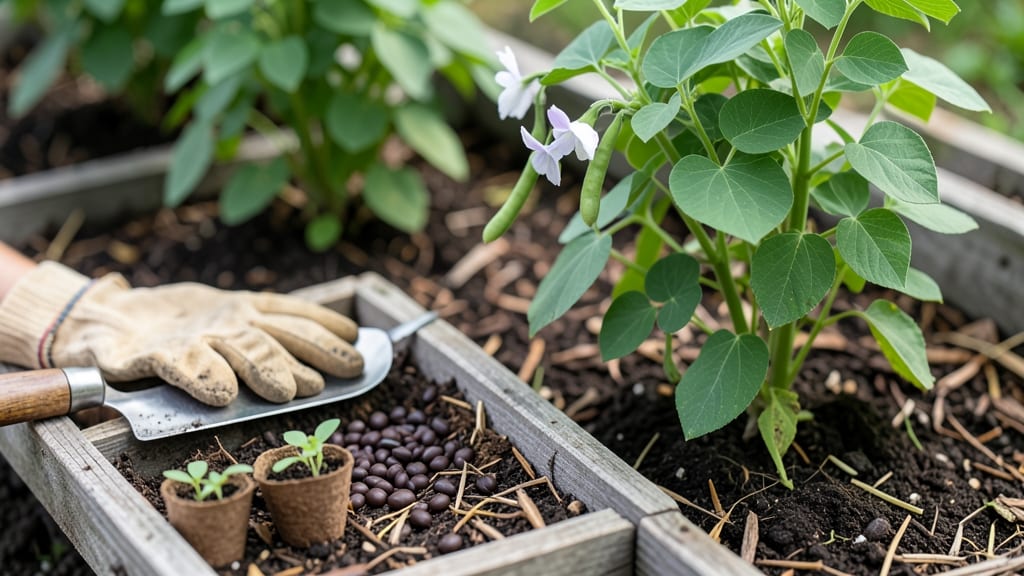
When to plant beans in Florida isn’t just about grabbing seeds and sticking them in the dirt—it’s about unlocking 60-90 days of worry-free harvests while dodging the pitfalls of Florida’s brutal summer heat and occasional winter chills. Unlike northern gardeners, you don’t have to wait for frost to pass (because in most of Florida, it never comes), but timing still makes or breaks your yield.
Picture this: you’ve just pulled a crisp, homegrown bean from your garden, and the sun is beating down—only to realize you planted too late in the season, leaving your crop struggling in the heat.
That’s why knowing the exact weeks to plant, whether you’re in the Panhandle or Miami, is your secret weapon. I’ll break down the ideal windows for bush and pole varieties, so you can avoid the common mistakes that leave Florida gardeners scratching their heads.
Here’s the game-changer: the best time to plant 🌱 beans in Florida isn’t just once—it’s often twice (or more!). Whether you’re aiming for early fall’s cooler temps or winter’s mild climate, we’ll cover how to stretch your harvest season without sacrificing quality.
Let’s dive into the specifics so you can enjoy fresh beans straight from your garden all year long.
From soil prep to variety selection, I’ll walk you through everything you need to know to time your plantings like a pro. No more guessing—just consistent, high-yield harvests that Florida’s warm (but sometimes finicky) climate can deliver. Ready to turn your garden into a bean bonanza?
Best planting weeks for beans in Florida by variety (bush vs pole)
Florida’s frost-free climate means you can grow beans year-round, but timing matters for avoiding heat stress and maximizing yields. Bush beans mature faster (50-60 days), while pole beans take longer (70-90 days). The key is planting when soil temps stay below 85°F—summer’s brutal heat slows growth and attracts pests.
For North Florida (Panhandle), where occasional frosts can hit, aim for late winter to early spring (Feb-Mar) or fall (Sept-Oct). South Florida gardeners enjoy year-round planting, but summer months demand extra care like shade and frequent watering.
Here’s the exact planting schedule for both varieties to align with Florida’s microclimates and avoid summer’s pitfalls:
| Variety | Best Planting Weeks | Soil Temp Ideal | Key Notes |
|---|---|---|---|
| Bush Beans (e.g., Blue Lake) | Jan-Feb, Sept-Oct (North FL) Year-round (South FL) |
60-75°F | Fast-maturing; avoid summer heat. |
| Pole Beans (e.g., Kentucky Wonder) | Feb-Mar, Aug-Sept (North FL) Feb-Apr, Sept-Nov (South FL) |
65-80°F | Longer season; needs trellis support. |
| Both Varieties | May-June (with shade cloth) | Below 85°F | Use mulch and drip irrigation. |
In North Florida, January-February is prime for bush beans—cooler temps and longer daylight boost germination. Pole beans thrive in February-March when soil warms slightly but hasn’t hit summer’s peak. For fall plantings, September-October gives beans enough time to mature before winter’s chill sets in.
South Florida’s tropical climate allows for year-round planting, but summer months (June-August) require shade cloth (30-50%) to protect plants from 90°F+ temps. I’ve had success growing Black Valentine beans under shade in July, but yields are 30-50% lower than cooler-season plantings.
Pro tip: Test soil temps with a thermometer before planting—beans need soil at least 60°F to germinate. If temps are too high, soak seeds overnight to kickstart growth. Black plastic mulch can raise soil temps by 5-10°F, helping in cooler months like December-January.
For succession planting, sow new seeds every 2-3 weeks in spring/fall to ensure a continuous harvest. This works especially well for bush beans, which mature quickly. In South Florida, you can even plant every 4 weeks year-round with proper shade and watering.
One common mistake? Planting pole beans in summer without support. The vines grow fast but flop in heat without trellises. I’ve seen Kentucky Wonder plants reach 8 feet in just 60 days—imagine the mess if they’re not staked!
To maximize yields, pair beans with corn and squash (the "Three Sisters" method). The corn provides shade, squash retains moisture, and beans fix nitrogen in the soil—a win-win for Florida gardens. Just ensure all three get 6+ hours of sun.
🌱
How Florida’s microclimates affect bean planting timing (north vs south regions)
Florida’s diverse microclimates mean what works in North Florida’s cooler winters can fail in South Florida’s humid heat. The Panhandle’s occasional frosts (even as late as January 15) create a different schedule than Miami’s year-round warmth.
Understanding these regional quirks is key to avoiding heat stress or fungal diseases that can wipe out your crop. Let’s break down the critical differences so you can plant with confidence, no matter where you garden in the Sunshine State.
In North Florida (USDA Zones 8a-9a), the biggest risk isn’t heat—it’s those unpredictable winter chills. While South Florida gardeners can plant beans almost anytime, North Florida growers must time plantings to avoid January-February temperature dips below 40°F, which can stunt young plants.
Meanwhile, South Florida’s (Zones 10a-11) higher humidity and consistent 80°F+ summers demand different strategies to prevent bloom drop or powdery mildew. The good news? Both regions can enjoy year-round harvests—you just need to adjust your timing.
| Region | Key Climate Factor | Best Planting Windows | Avoid Planting When |
|---|---|---|---|
| North Florida (Panhandle) | Cooler winters, occasional frost | Late August–September (fall), March–April (spring) | December–February (frost risk), June–July (extreme heat) |
| Central Florida (Orlando/Tampa) | Moderate winters, hot summers | September–October (fall), February–March (spring) | May–August (heat stress), December (humidity spikes) |
| South Florida (Miami/Dade) | Tropical, high humidity, no frost | Year-round (best in September–May) | June–August (peak heat + pests) |
If you’re in North Florida, focus on fall plantings (late August–September) to give beans time to mature before winter chills arrive. Use row covers if planting in March to protect seedlings from late frosts.
In Central Florida, stretch your season by planting every 2–3 weeks from September to March, avoiding the hottest months. Meanwhile, South Florida gardeners can plant almost anytime, but prioritize September–May to dodge the sweltering summer when beans struggle to set pods.
One critical adjustment for all regions: soil temperature. Beans need soil at least 60°F to germinate—so in North Florida’s cooler months, use black plastic mulch to warm the soil. In South Florida’s summer, shade cloth (30–50%) can prevent heat stress during June–August plantings.
Pro tip: Test your soil before planting—beans thrive in pH 6.0–7.0, and Florida’s sandy soils often need compost or aged manure to retain moisture.
Don’t let Florida’s regional differences derail your bean harvests. By aligning your planting schedule with your local climate, you’ll enjoy fresh, homegrown beans for months—whether you’re battling Panhandle frosts or Miami humidity.
Next, we’ll cover 5 pro tips to extend your harvests even further, no matter where you garden in the state. 🌱