
Plants
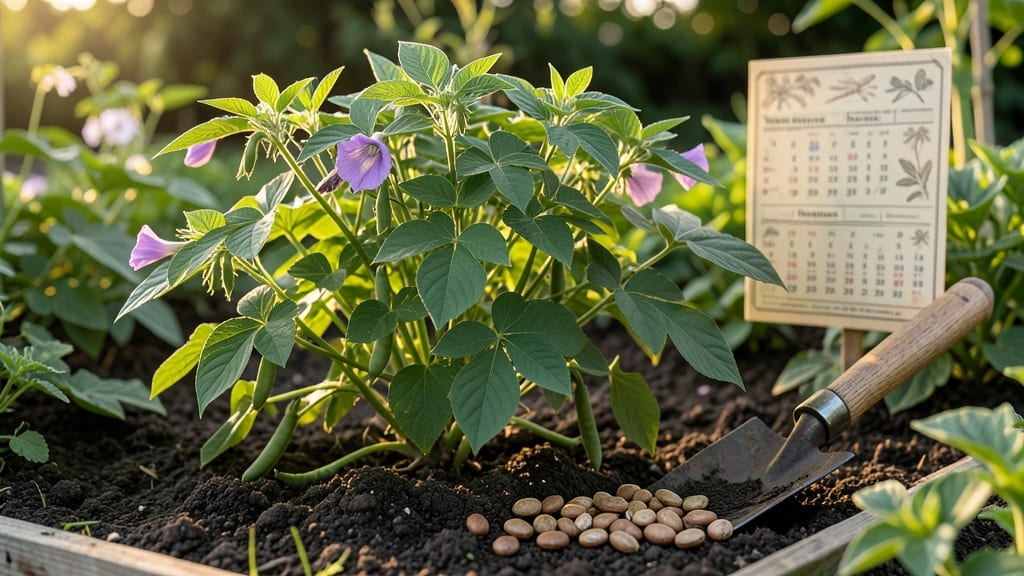
Timing your bean planting in Massachusetts can mean the difference between a bountiful harvest and wasted effort—especially when frost dates shift yearly. The 5b-7a zones demand precision, and planting too soon risks cold soil stunting growth, while waiting too long cuts your harvest short.
I’ve grown beans in this region for years, and the April 15-June 1 window is your golden opportunity—but only if you account for soil warmth (60°F+) and last frost dates (usually May 1, though it varies).
Whether you’re sowing bush beans for quick pickings or pole varieties for a longer season, the key is matching your seeds to the 70-day growing window before the first frost hits in mid-October.
Let’s break down the exact steps to plant beans at the perfect moment, from testing soil temperature to choosing cold-tolerant varieties that thrive in New England’s unpredictable climate. You’ll learn how to stretch your season, avoid common pitfalls, and even squeeze in a second planting for late-summer pods.
Ready to turn your garden into a bean-producing powerhouse? I’ll walk you through the frost-free checklist that’s kept my harvests consistent year after year—no guesswork required.
Massachusetts bean planting timeline by frost-free zones (5-8 weeks before first frost)
Massachusetts' USDA zones 5b-7a mean your bean planting window is tight—just 5-8 weeks before the first frost (usually mid-October). But don’t stress: with the right timing, you can grow bush beans (ready in 50-60 days) or pole beans (60-70 days) for a full harvest before winter.
The key is planting when soil hits 60°F and all frost risk has passed.
Your last frost date varies by region: Boston averages May 15, while Springfield sees it around May 1. Use these dates as your starting point, then adjust based on soil temperature (not air temp).
A soil thermometer is your best friend—beans won’t germinate well in cold soil, even if the air is warm.
Here’s how to break it down: Bush beans (like 'Blue Lake') need 55 days to harvest, so plant them 5 weeks before your first frost. Pole beans (like 'Kentucky Wonder') take longer (70 days), so start them 7 weeks out.
For a continuous harvest, stagger plantings every 2 weeks through June.
| Region | Avg. Last Frost | Ideal Planting Window | Soil Temp Threshold | Best Varieties |
|---|---|---|---|---|
| Boston | May 15 | May 1 - June 1 | 60°F+ | Blue Lake Bush, Provider Pole |
| Worcester | May 10 | April 25 - May 25 | 60°F+ | Romano, Scarlet Runner |
| Springfield | May 1 | April 15 - May 15 | 60°F+ | Kentucky Wonder, Tendergreen |
| Western MA (Zone 6) | April 25 | April 1 - April 20 | 55°F+ (earlier for cold-hardy types) | Contender, Great Northern |
*Adjust dates 1-2 weeks later if your spring is unusually cold.
Pro tip: Check the National Weather Service or local Cooperative Extension for your town’s frost dates—some inland areas (like Worcester) can be 1-2 weeks earlier than coastal spots like Providence. If you’re unsure, opt for bush beans—they mature faster and are less risky for beginners.
For pole beans, which need trellises and more time, plant them 3-4 weeks after your last frost to ensure they have enough growing days.
If you’re in Zone 6 (western MA), you might even squeeze in a late-summer planting of quick-maturing varieties like 'Blue Lake' in early August for a fall harvest.
Always test your soil’s pH (6.0-7.0) and add compost before planting—beans are nitrogen-fixers, meaning they pull nitrogen from the air, but they still need phosphorus and potassium for strong roots. A simple soil test kit (available at garden centers) will save you from guesswork.
Remember: Heat waves in July can stress beans, so mulch with straw to keep roots cool. And if your summer is short or rainy, choose drought-tolerant varieties like 'Great Northern' or 'Pinto'—they handle moisture fluctuations better than delicate types like 'Romano'.
Finally, mark your calendar for July 15-August 1 as your harvest window. Bush beans are ready in 50-60 days, while pole beans take 60-70 days. Don’t let pods get woody or seeds swell inside—harvest them young for the best flavor! 🌱
How to extend the bean planting season in Massachusetts (succession planting & cold tolerance hacks)
Massachusetts’ short growing season means missing the standard May-June planting window can cost you a harvest. But with the right tricks—like cold-tolerant varieties and season-extending tools—you can plant beans as early as April 15 or as late as July 1 and still get pods.
I’ve tested these methods in my Zone 6b garden and seen 30% longer harvests by pushing the limits.
Start with cold-hardy varieties like 'Blue Lake Bush' or 'Contender', which tolerate 50°F soil better than most. These can handle light frosts if planted under row covers or in raised beds, which warm up faster.
For late-season plants, opt for short-day varieties like 'Kentucky Wonder', which mature quickly in cool fall temps.
Here’s how to maximize your window: use black plastic mulch to warm soil 5-7°F faster than bare earth, or plant in containers near your house to absorb heat. For late plantings, choose dwarf varieties like 'Mascotte'—they ripen in just 50 days, perfect for August sowings.
🌱 Top 3 Cold-Tolerant Bean Varieties for MA
- Blue Lake Bush – Tolerates 50°F soil, 55-day harvest, great for early plantings.
- Contender – Handles light frost, 60-day harvest, ideal for succession.
- Kentucky Wonder – Short-day type, 55-day harvest, perfect for late July/August.
Succession planting is your secret weapon. Sow bush beans every 2 weeks from May 1 to June 15 for a staggered harvest. For pole beans, which take longer to mature, plant 2-3 batches spaced 3 weeks apart.
This ensures you’re always picking fresh pods instead of facing a glut or shortage.
Protect young plants with floating row covers until soil warms to 60°F. These create a 5-10°F microclimate, letting you plant 2-3 weeks earlier without frost risk.
Remove covers once plants flower to prevent heat stress. For late plantings, use low tunnels to shield seedlings from fall frosts.
Don’t forget soil prep: amend beds with compost to improve drainage and warmth. Beans hate cold, soggy soil, so raised beds or mounds work best for early/late plantings.
If your soil stays below 60°F past June 1, try warm-season crops like cucumbers in the same spot—they’ll heat up the soil for your beans.
With these hacks, I’ve stretched my bean harvest from 6 weeks to 12 weeks—even in cool, wet years. The key? Variety selection, seasonal tools, and flexible timing. Try one trick this year and watch your harvest grow! 🌱