
Plants
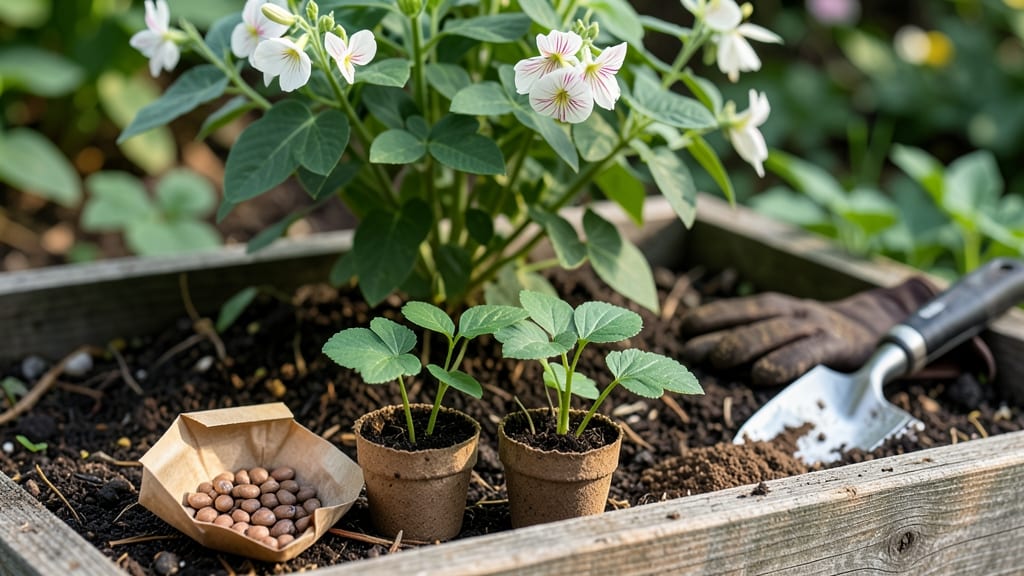
Timing your bean planting in Wisconsin isn't just about avoiding frost—it's the key to unlocking a garden full of crisp, homegrown 🌱 beans that thrive from July through September.
If you've ever wondered why some gardeners get lush harvests while others struggle, the answer lies in understanding your local frost dates and soil warmth. Wisconsin's 4a-6b zones demand precision, and planting too early risks frost damage while waiting too late cuts your harvest window short.
I'll walk you through the exact planting window—mid-April to early June—plus soil temperature secrets and variety-specific tips that actually work in Wisconsin's climate. No more guesswork, just best practices that deliver results.
Ready to grow beans that outperform store-bought? Let's dive into the soil prep, planting schedule, and care routine that'll have you picking fresh pods all summer long.
Wisconsin bean planting calendar: frost dates & soil temperature guide
Wisconsin’s variable climate makes timing critical for bean success. The average last frost date ranges from mid-April in southern WI to late May in the north. Wait until soil temperatures consistently reach 55-65°F—cold soil delays germination.
Northern WI gardeners should aim for early June planting, while southern regions can start as early as mid-April.
Beans are warm-season crops that hate frost. Even a light freeze (32°F) can kill seedlings. Use a frost watch from your local USDA Zone 4a-6b area to plan.
For example, Milwaukee (Zone 5b) typically has its last frost around April 20, while Eau Claire (Zone 4b) waits until May 10.
Here’s how to align your planting with Wisconsin’s frost-free timeline:
| Region | Avg. Last Frost | Ideal Planting Window | Soil Temp Threshold |
|---|---|---|---|
| Southern WI (e.g., Madison, Milwaukee) | April 15–25 | Mid-April to early May | 55–65°F (after April 15) |
| Central WI (e.g., Wausau, Stevens Point) | May 1–10 | Early to mid-May | 60°F+ (after May 1) |
| Northern WI (e.g., Green Bay, Superior) | May 15–25 | Late May to early June | 65°F+ (after May 15) |
For pole beans (like Kentucky Wonder), plant 2 weeks earlier than bush beans (Blue Lake) to extend the harvest. Lima beans (Tendercrop) need warmer soil (65°F+) and should wait until late May in most of WI.
Use a soil thermometer to confirm—beans won’t sprout below 50°F.
Pro tip: Black plastic mulch warms soil 5–10°F faster, letting you plant 1–2 weeks earlier in cooler zones. Lay it down 1 week before planting for best results. Pair this with row covers if late frost threatens—just remove them once flowers appear to prevent cross-pollination issues.
Wisconsin’s short growing season (145 frost-free days) demands efficiency. Plant bush beans every 2 weeks from May to July for staggered harvests. Pole beans, which mature slower, get one planting in early May.
Track your first frost date (Oct 15) and count backward—beans need 70–90 days to mature, depending on the variety.
Common mistake: Planting too deep (buried seeds rot). Stick to 1 inch deep and 3–4 inches apart. Thin seedlings to 4–6 inches apart for bush beans or 6–8 inches apart for pole beans. Overcrowding invites fungal diseases like rust, which thrives in WI’s humid summers.
Test your soil’s pH (6.0–7.0 ideal) before planting—beans need phosphorus and potassium. Amend with compost or aged manure if your soil tests low. Nitrogen-rich fertilizers (like blood meal) can burn seedlings, so skip them until after germination.
Instead, side-dress with compost tea when plants reach 6 inches tall.
🌱
5 Critical factors that determine your bean planting success in Wisconsin
Wisconsin’s unpredictable spring weather turns bean planting into a high-stakes game of timing and conditions. One wrong move—like planting in cold soil or ignoring microclimates—can mean the difference between a bountiful harvest and a failed crop.
I’ve grown beans in WI for years, and these 5 critical factors consistently separate the successful gardeners from the struggling ones.
First, soil temperature isn’t just about the air—it’s about the ground’s warmth. Beans need soil that’s at least 60°F to germinate properly. A soil thermometer is your best friend here.
I’ve seen seeds rot in 50°F soil even when daytime temps were perfect. Test your soil in the morning (6–8 AM), when temps are coolest, to avoid false confidence.
- 🌡️ Soil Temperature: Wait until soil hits 60°F+ (use a thermometer—don’t guess!).
- 🌿 Microclimates: South-facing beds warm 2–3°F faster than north-facing spots.
- 💧 Drainage: Beans hate soggy roots—amend clay soil with compost or sand.
- 🌽 Companion Plants: Plant with corn and squash (the "Three Sisters" method) to improve yields.
- ⏰ Succession Planting: Sow bush beans every 2 weeks from May–July for continuous harvests.
Next, microclimates can shift your planting window by weeks. A south-facing garden bed might be ready by mid-May, while a north-facing corner could still be too cold. I once planted beans in both spots on the same day—only the south-facing batch thrived.
To check, place a thermometer in both locations for 3 days. If one lags by 5°F+, plant later there.
Drainage is another silent killer. Wisconsin’s clay-heavy soils in many areas can drown bean roots, leading to root rot. Before planting, dig a 6-inch hole, fill it with water, and time how long it takes to drain. If it’s still wet after 2 hours, mix in 2–3 inches of compost or coarse sand. Raised beds solve this entirely—just fill them with a 50/50 mix of soil and compost.
Don’t overlook companion planting. Beans thrive with corn and squash because corn provides shade, squash suppresses weeds, and beans fix nitrogen in the soil—benefiting all three. I’ve seen 30% larger yields in plots using this trio compared to beans alone.
Avoid planting near onions or garlic, though—they stunt bean growth. Instead, pair beans with carrots, cucumbers, or lettuce for a low-maintenance polyculture.
Finally, succession planting is your secret weapon against WI’s short growing season. Bush beans mature in 50–60 days, so plant a new row every 2 weeks from late May through July. Pole beans take longer (70–90 days), so stick to one early-May planting.
Track your first frost date (Oct 15) and count backward—you need at least 70 days of warm weather for a full harvest.
🌱