
Plants
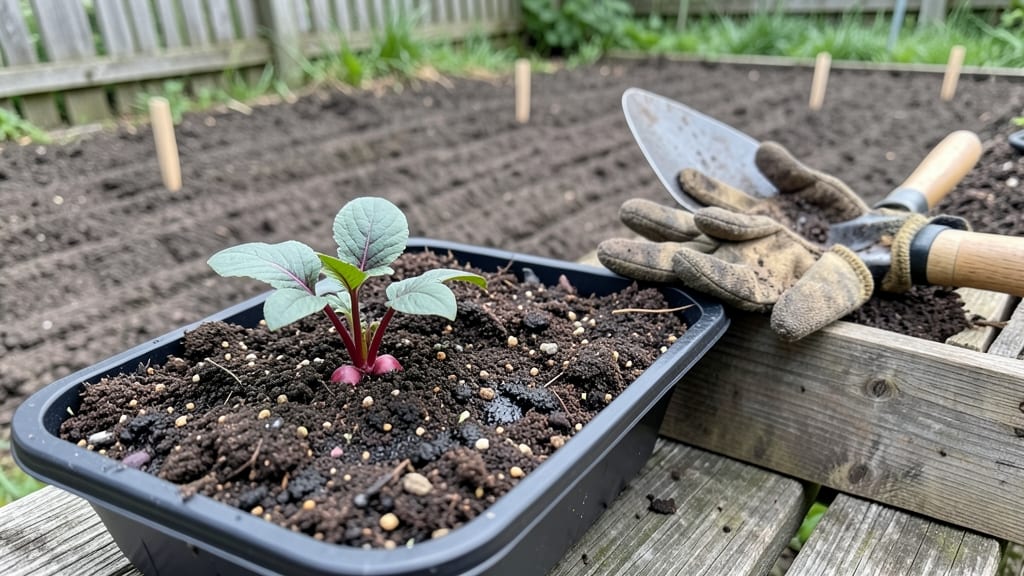
If you’ve ever planted beets in Arizona only to watch them bolt or turn woody under the relentless sun, you’re not alone. The key to growing sweet, tender 🍠 beets in the desert isn’t luck—it’s timing.
Arizona’s climate demands precise planting windows, and missing them can mean the difference between a bumper crop and a bitter disappointment.
Fall is your best bet for beets in 9b, with ideal planting between September and October when soil temps dip below 80°F. But here’s the secret: spring plantings in February or March work too, if you play your cards right.
I’ll show you exactly how to sync your schedule with Arizona’s microclimates—whether you’re in the Low Desert’s heat or the High Desert’s cooler pockets—to avoid bolting and maximize flavor.
Why does timing matter so much? Beets are cool-season crops, and Arizona’s summer heat sends them into survival mode—sending up skinny stems and tough roots instead of the plump, juicy harvests you crave.
By planting at the right moment, you’ll cheat the heat, extend your growing season, and enjoy fresh beets from your garden for months.
Ready to unlock the secrets? I’ll walk you through the exact planting calendar, soil prep tricks, and even how to stretch your harvest with shade cloth if you’re ambitious. Let’s get those beets growing the right way—once and for all.
Best planting windows for beets in Arizona’s climate zones
Arizona’s diverse microclimates mean your beet planting success hinges on knowing whether you’re in the Low Desert (Phoenix, Tucson) or High Desert (Flagstaff, Prescott).
The Low Desert’s extreme heat forces a narrow window, while the High Desert offers a longer season—but both require precise timing to avoid bolting or poor germination.
Beets thrive in cool-season conditions (50–75°F soil temps) and bolt when days exceed 14 hours of light, which happens by late March in Arizona. This means your primary planting windows are fall and early spring, with regional adjustments. Let’s break it down by zone to maximize your harvest.
🌱
| Climate Zone | Primary Planting Window | Soil Temp Threshold | Moon Phase Tip | Critical Avoid |
|---|---|---|---|---|
| Low Desert (Phoenix, Yuma, Tucson) | Sept 15–Oct 15 (Fall) & Feb 1–March 15 (Spring) | 55–65°F (cooler nights ideal) | Plant during waxing moon for stronger roots | May–August (bolting risk) |
| High Desert (Flagstaff, Prescott, Sedona) | Aug 15–Sept 30 (Fall) & March 1–April 15 (Spring) | 50–60°F (earlier frost risk) | Use full moon for faster germination | June–July (heat stress) |
| Transition Zones (Mesa, Show Low) | Sept 1–Oct 10 (Fall) & Feb 15–March 10 (Spring) | 52–62°F (balance both zones) | Avoid new moon plantings (weak roots) | April–May (bolting + heat) |
For Low Desert gardeners, September 15–October 15 is your golden window—beets sown after October 15 risk bolting before winter chills set in. In the High Desert, you can push August 15 plantings if you use shade cloth (30–50%) to protect seedlings from intense afternoon sun.
Timing isn’t just about months—it’s about day length and soil warmth. Beets detect longer daylight hours (14+ hours) and trigger bolting as a survival mechanism. That’s why spring plantings must happen before March 15 in the Low Desert or April 15 in cooler areas.
Use a light meter to track daylight if you’re experimenting with extended-season varieties.
🌿
Another often-overlooked factor is the moon phase. Root crops like beets benefit from moisture-rich phases (waxing moon for roots, full moon for growth). Schedule your fall plantings during the waxing gibbous phase to encourage larger, sweeter roots.
Check a lunar planting calendar for your specific dates—this small adjustment can boost yields by 20–30%.
If you’re new to Arizona gardening, start with ‘Detroit Dark Red’ or ‘Golden’ varieties—they’re bolting-resistant and heat-tolerant compared to heirloom types. For High Desert gardeners, consider ‘Chioggia’ (striped beets) for their slightly longer harvest window in cooler climates.
Always direct-sow seeds—beets hate transplanting and develop woody roots if disturbed.
💧
Finally, succession planting is key to year-round harvests. In the Low Desert, sow every 2 weeks from September 15–October 31 for a staggered harvest. In the High Desert, extend your fall window to November 1 if you use row covers to delay frost.
Just remember: never plant after March 15 in the Low Desert—your beets will bolt before they bulk up.
How to extend beet harvests with successive plantings
Arizona’s extended growing season and microclimates let you harvest beets nearly year-round—but only if you plan strategically. By staggering plantings, you can enjoy sweet, tender roots from fall through spring, even in the desert’s harshest conditions. The key? Timing, shade, and variety selection tailored to Arizona’s heat.
Start with fall plantings in September and October when soil temps drop below 85°F. This gives beets time to mature before winter’s chill sets in. Then, spring plantings in February and March capitalize on warming soil while avoiding the brutal summer heat.
For heat-tolerant varieties, try ‘Golden’ or ‘Chioggia’—they handle short bursts of warmth better than classic ‘Detroit Dark Red’.
🌱 Pro Tip: Use shade cloth (30-50%) over summer plantings to protect seedlings from intense sunlight and bolting. This lets you sow late spring (April-May) for a second summer harvest, though yields may be smaller. Test soil temps first—keep them below 80°F for best germination.
📅 Beet Planting Schedule for Arizona
- 🌿 September 1-15: First fall planting for November-December harvest (soil temps: 75-85°F).
- 🍂 October 1-15: Second fall planting for December-January harvest (avoid frost-sensitive varieties).
- 🌱 February 15-March 1: Early spring planting for April-May harvest (soil temps: 50-60°F).
- ☀️ April 15 (with shade): Late spring planting for June-July harvest (use heat-tolerant varieties).
For continuous harvests, sow succession crops every 2-3 weeks during ideal windows. Thin seedlings to 2-3 inches apart to prevent competition—this ensures larger, sweeter roots.
In High Desert areas (Flagstaff, Prescott), you can even try early August plantings under 50% shade cloth for a fall harvest before frost.
💡 Variety Matters: ‘Boltardy’ and ‘Pablo’ are bred to resist bolting (flowering prematurely) in warm conditions. If you’re experimenting, ‘Babybeat’ (smaller roots) matures faster—perfect for short-season windows. Always save seeds from your best-performing plants to adapt to your local microclimate!
Finally, protect your soil with 2-3 inches of mulch (straw or wood chips) to retain moisture and regulate temps. In Low Desert zones (Phoenix, Tucson), this is non-negotiable—water stress = bitter beets.
With these tactics, you’ll enjoy homegrown beets for 8+ months instead of just a few weeks! 🌿