
Plants
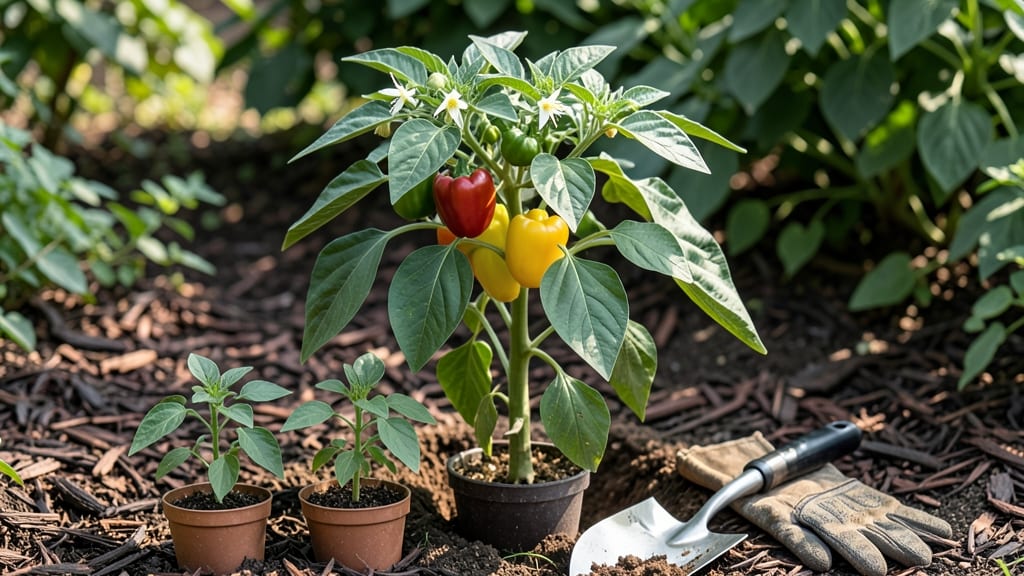
Timing your bell pepper 🌶️ planting in Kansas is the difference between a thriving garden and wasted effort. Get the schedule wrong, and frost or heat will ruin your crop before you even see a pepper.
But when you nail the Zone 6B/7A frost-free window, you’re looking at a summer of crisp, flavorful peppers straight from your backyard.
Most Kansas gardeners start seeds indoors 8-10 weeks before the last frost—usually by early March—to give their plants a head start. Once soil temperatures hit a steady 60°F+, typically mid-April to early May, it’s time to transplant them outside.
This timing ensures your peppers have enough warmth to grow strong roots and produce fruit before fall sets in.
If you’re wondering whether to plant early or late, the answer depends on your variety. Heat-loving types like ‘Carolina Wonder’ thrive when moved out by late May, while cooler-tolerant ‘Aristotle’ can handle a slightly earlier transplant. Either way, avoiding those late spring chills is the key to a successful harvest.
Ready to grow? I’ll walk you through the exact dates, soil prep tips, and even how to stretch your growing season for extra peppers. Let’s get your Kansas garden set up for success!
Kansas bell pepper planting timeline by zone 6B/7A: exact dates & frost risks
Understanding your Kansas USDA Zone (6B/7A) is critical for timing bell pepper 🌶️ planting. The average last frost date falls around April 15, but this can shift by up to 2 weeks depending on your exact location.
For example, western Kansas (Zone 6B) tends to warm up slightly earlier than eastern areas (Zone 7A). Always check your local Almanac frost predictions—they’re your best guide.
Bell peppers are heat-loving plants that need soil temperatures above 60°F to thrive. If you transplant too soon, your plants will struggle, leading to stunted growth or even death.
I’ve seen too many Kansas gardeners rush this step and end up disappointed. Patience here pays off with a bountiful harvest later in the summer.
Here’s the golden rule: Wait until mid-May (or after May 1) to transplant seedlings outdoors in most of Kansas. This ensures your peppers have at least 80 days of warm weather before the first frost in October.
Early varieties like ‘Early California Wonder’ can handle slightly cooler temps, while late-season types like ‘Jupiter’ need the full heat of summer.
| Stage | Action | Kansas Zone 6B/7A Timing |
|---|---|---|
| Start Seeds Indoors | 8-10 weeks before last frost | Early March (Zone 6B) / Late February (Zone 7A) |
| Hardening Off | 1-2 weeks before transplant | Late April |
| Transplant Outdoors | After soil reaches 60°F+ | Mid-May to early June |
| First Harvest | 60-75 days after transplant | Late July to early August |
| Last Harvest | Before first frost (Oct 15) | September to early October |
If you’re planting directly from seed (not recommended for Kansas’ short season), aim for mid-May when soil is consistently warm. Seeds won’t germinate below 65°F, so don’t try this earlier.
For best results, I always start seeds indoors and transplant hardened-off seedlings. This gives your peppers a 4-6 week head start on the growing season.
One common mistake I see is ignoring microclimates in Kansas. South-facing slopes warm up faster than low-lying areas, so you might transplant there a week earlier.
Conversely, valleys or shaded spots can stay cold longer. Observe your garden’s behavior for at least 3 years to spot patterns—this local knowledge is invaluable.
For succession planting, make a second transplant in early July if you want a fall harvest. Choose faster-maturing varieties like ‘Sweet Banana’ (60 days to harvest) for this late window.
Just be prepared to protect them with row covers if a late frost sneaks in. I’ve had peppers survive down to 28°F with proper protection, but growth will slow dramatically.
Pro tip: Use a soil thermometer to confirm temperatures before transplanting. I keep one buried in my garden bed—it’s saved me from multiple failed plantings. If your soil is still below 60°F in May, wait another week.
Your peppers will thank you with vibrant, productive plants instead of leggy, struggling ones.
Finally, don’t forget to acclimate your seedlings over 7-10 days before transplanting. Harden them off gradually by moving them outside for increasing lengths of time each day. This toughens their stems and leaves, making them far more resilient to Kansas’ unpredictable spring weather.
When done right, your bell peppers will hit the ground running once they’re in the garden.
How to extend your Kansas bell pepper growing season: cold frames, row covers & succession planting
Even with perfect timing, Kansas’ short growing season can leave you craving more bell peppers 🌶️. The solution? Extend your harvest window using smart strategies like cold frames, row covers, and succession planting.
These techniques let you push your planting dates earlier or later, giving you peppers from June through October instead of just July and August.
First, let’s talk about cold frames—these portable greenhouses create a microclimate that traps heat. I’ve used them to transplant bell pepper seedlings 2-3 weeks earlier than the standard mid-May window. Place your cold frame on a south-facing slope to maximize sunlight absorption.
Remove the lid during warm days to prevent overheating, but keep it closed on chilly nights. This gives your peppers a head start before transferring them to the garden.
- 1 Use row covers to protect seedlings from late frosts (down to 28°F with proper fabric). Secure edges with soil or bricks to prevent wind damage.
- 2 Plant cold-hardy varieties like ‘Aristotle’ or ‘Carolina Wonder’—they tolerate cooler temps better than standard types. Start these 3 weeks earlier than heat-loving varieties.
- 3 Try succession planting in early July for a fall harvest. Choose fast-maturing varieties (60 days to harvest) like ‘Sweet Banana’ or ‘Lunchbox’. Transplant these after your first harvest wave.
- 4 Use black plastic mulch to warm soil faster. Lay it down 2 weeks before transplanting5-10°F, helping peppers establish roots quicker.
For late-season extensions, focus on protecting your plants from early frosts. Floating row covers (made of lightweight fabric) can shield peppers from temperatures as low as 28°F while still allowing sunlight and water through. I’ve kept my pepper plants producing until mid-October using this method. Just
Another game-changer is succession planting—instead of one big transplant in May, make smaller batches every 2-3 weeks through July. This ensures a continuous supply of peppers rather than one massive harvest. For Kansas’ short season, I recommend 3 planting waves: the first in mid-May, the second in early June, and the final one in early July. Choose varieties with different maturity dates to stagger your harvest.
Don’t overlook container gardening as a way to extend your season. Grow peppers in 5-gallon pots and move them to a sunny spot on your patio or balcony. You can bring them indoors overnight during cold snaps or use a small greenhouse to create a protected environment.
Dwarf varieties like ‘Pico de Gallo’ are perfect for containers and produce well even in limited space.
Finally, soil preparation makes all the difference. Amend your garden beds with compost and aged manure in early spring to improve drainage and fertility. Well-draining soil helps peppers establish roots faster, giving them a stronger foundation to handle Kansas’ temperature swings.
I always test my soil pH—bell peppers thrive in 6.0-6.8 range, so adjust with lime or sulfur if needed.
With these techniques, you can enjoy fresh bell peppers 🌶️ from June through October instead of just July and August. The key is observation and flexibility—adjust your approach based on your garden’s microclimate and Kansas’ ever-changing weather. Happy growing!