
Plants
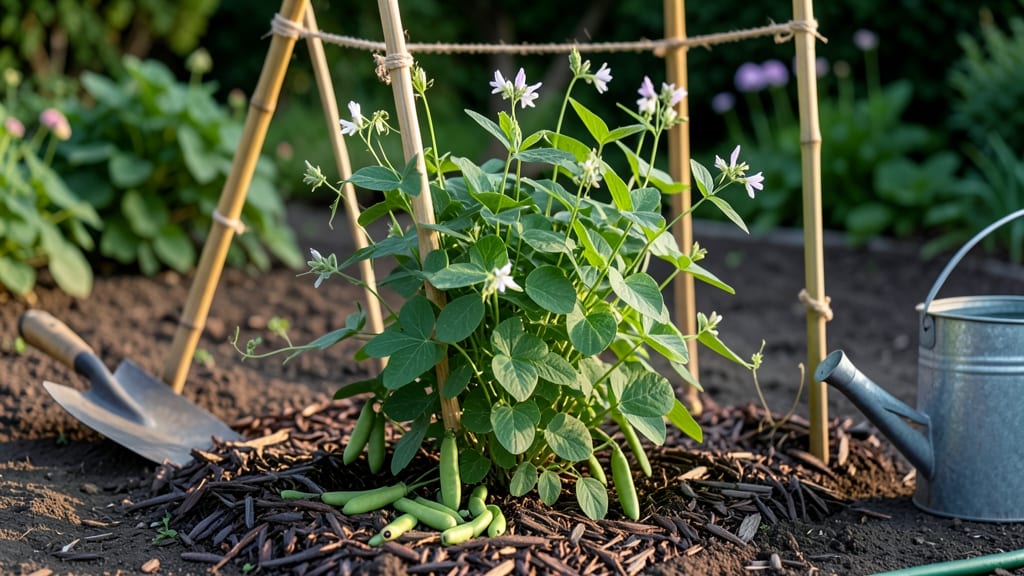
Timing your black-eyed pea planting in Texas can make or break your harvest—get it wrong, and you’ll watch your plants bolt before they even produce a single pod.
These heat-loving legumes thrive when sown in the exact weeks that align with your local climate zone, whether you’re in frost-prone North Texas or the warmer South.
Most Texas gardeners know the general rule: plant in spring and fall, but the devil’s in the details. The key is avoiding those scorching summer months when temperatures spike and plants rush to flower too soon.
I’ll break down the precise planting windows—down to the week—so you can time your sowing for the sweetest, most productive harvest.
Why does this matter? Because black-eyed peas 🌱 aren’t just another garden crop—they’re a staple for Texas home growers, offering both nutrition and flavor. But without the right timing, you’ll end up with bitter, stringy pods or worse, no harvest at all.
Let’s dive into the science-backed weeks that work best for your region.
Whether you’re a seasoned gardener or just starting out, mastering these planting windows will help you double your yield and avoid common mistakes. Ready to learn the exact calendar for your Texas zone? Let’s get growing.
Best planting weeks for black eyed peas in Texas regions (avoid bolting)
Texas’s diverse climate means black-eyed peas thrive in different regions—but timing is critical. Plant too early, and cold snaps trigger bolting; too late, and summer heat stunts growth. The key? Align your planting with soil temperatures and frost-free dates for your zone.
In North Texas (Zones 7b-8a), aim for late March to early April for spring plantings. This gives seeds time to germinate once soil warms to 60°F+. For fall, late August to mid-September works best—before first frost hits in December.
Central Texas (Zones 8a-8b) gardeners have a slightly longer window. Start seeds in early March for spring harvests, or late July to early August for fall crops. The 100-day growing season ensures mature pods before winter chill.
Down in South Texas (Zones 9a-10b), you can plant as early as February for spring and September to October for fall. The longer frost-free period (240+ days) allows for extended harvests, but avoid planting after mid-October to prevent heat stress.
| Texas Region | USDA Zone | Spring Planting Window | Fall Planting Window | Soil Temp Threshold |
|---|---|---|---|---|
| North Texas | 7b-8a | Late March–Early April | Late August–Mid-September | 60°F+ |
| Central Texas | 8a-8b | Early March–Mid-April | Late July–Early August | 65°F+ |
| South Texas | 9a-10b | February–Early March | September–October | 70°F+ |
Use a soil thermometer to confirm readiness—black-eyed peas won’t germinate well below 60°F. In North Texas, wait until April 15 to avoid frost damage. For fall plantings, stop by September 1 in Central Texas to ensure maturity before first frost.
Pro tip: Direct sow seeds 1 inch deep and 3-4 inches apart in rows 18 inches apart. This spacing prevents overcrowding, which stresses plants and triggers bolting. Use a row cover if planting early to protect seedlings from unpredictable cold snaps.
For container gardening, start seeds 4-6 weeks before your region’s last frost date. Containers warm up faster, so adjust planting dates 2 weeks earlier than ground planting. Just ensure pots have drainage holes to prevent root rot in Texas’s intense summer heat.
Monitor weather forecasts in the weeks before planting. If a heatwave is predicted, delay sowing until temperatures drop below 90°F—high heat causes flowering stress, reducing pod production. A light shade cloth (30-50%) can help if you must plant early.
Remember: Black-eyed peas are heat-tolerant but not heat-loving during germination. The ideal window balances warm soil and mild air temps. Stick to these region-specific weeks, and you’ll avoid the #1 mistake Texas gardeners make—planting too early and watching their crop bolt before harvest.
Best planting weeks for black eyed peas in Texas regions (avoid bolting)
Texas’s diverse climate zones mean your black-eyed pea planting window varies dramatically from North Texas to South Texas. In Zone 8a (like Dallas), aim for late February to early March—this gives seeds time to germinate before soil temperatures hit 70°F+, which triggers bolting.
Meanwhile, in Zone 10b (Houston), you can start as early as January since frost is rare, but avoid planting after mid-April to prevent summer heat stress.
For fall planting, the magic window shifts to September-October across all regions. In North Texas, sow by September 15 to ensure pods mature before first frost (usually December 1).
South Texas gardeners have until October 15, thanks to milder winters. Pro tip: Check your last frost date—planting 6-8 weeks before it guarantees a full harvest.
Here’s the breakdown by region with exact weeks to avoid bolting risks:
| Region | Spring Planting Window | Fall Planting Window | Soil Temp Threshold (°F) | Bolting Risk |
|---|---|---|---|---|
| North Texas (Zone 8a) | Late Feb - Early Mar | Sep 15 - Oct 1 | 60-70°F | High if planted after Mar 15 |
| Central Texas (Zone 8b) | Early Mar - Mid-Apr | Sep 1 - Sep 30 | 65-75°F | Moderate if planted after Apr 15 |
| South Texas (Zone 9a-10b) | Jan - Mid-Feb | Aug 15 - Oct 15 | 70-80°F | Low if planted before Apr 1 |
Why these exact weeks? Black-eyed peas bolt when soil temps exceed 75°F for more than 3 days. In North Texas, March heat snaps can push temps into this range by mid-month, while South Texas’s January starts are safer because cooler nights keep soils stable.
Always test soil temps with a soil thermometer—aim for 60-70°F at planting depth (1 inch).
For container growing, adjust timing by 2-3 weeks earlier—pots heat up faster. Place containers in partial shade during 10 AM-2 PM to delay bolting. I’ve seen container-grown plants in Austin thrive when started in mid-February under 30% shade cloth, while in-ground plants bolted by April 1.
Pro move: Use black plastic mulch to warm soil faster in North Texas or aluminum foil to reflect heat in South Texas. Both methods help you plant 1-2 weeks earlier without risking bolting. Just remember—once pods form, you’ve got 60-75 days to harvest before the plants decline.
Timing isn’t just about the calendar—it’s about soil warmth, day length, and heat tolerance. Master these windows, and you’ll avoid the heartbreak of watching your black-eyed peas flower before they produce a single edible pod. 🌱