
Plants
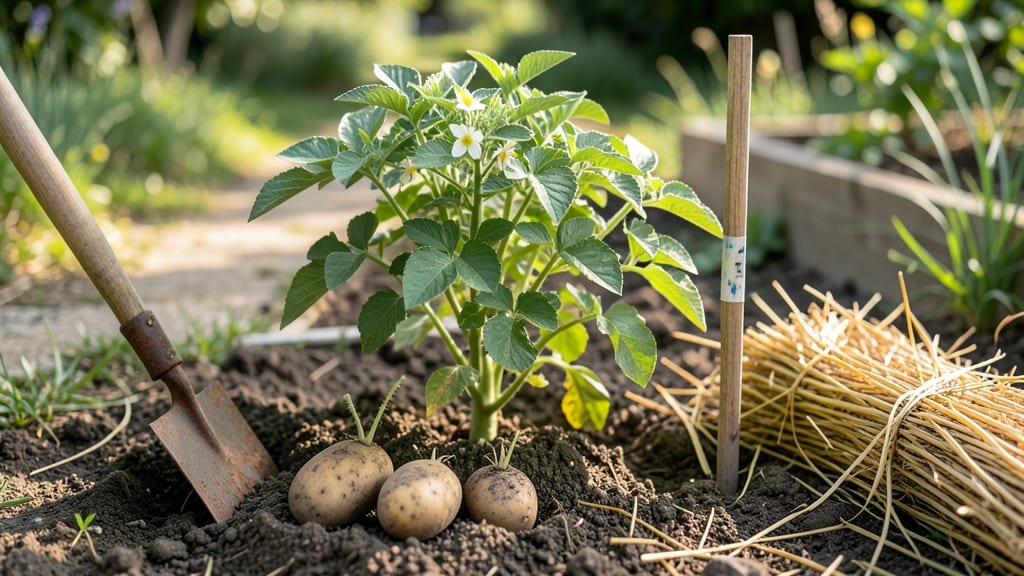
If you’ve ever watched your fall potatoes 🥔 bolt into flower instead of producing tubers—or lost a crop to an early Texas frost—you know when to plant fall potatoes in Texas is everything.
The difference between a thriving harvest and wasted effort often comes down to planting at the right weeks before frost, not just the right season.
Texas gardeners face unique challenges: North Texas' unpredictable freezes, Central Texas' scorching summers, and South Texas' extended growing season. I've dug into the data to break down exactly when to plant in each region, so you can avoid common mistakes and maximize your yield.
Let's get those spuds in the ground at the perfect moment.
You'll discover how to calculate your local frost dates using NOAA's tools, which potato varieties handle Texas heat best, and pro tips to prevent bolting. Whether you're in Zone 7 or Zone 10, this guide gives you the region-specific timing you need for a foolproof fall harvest.
No more guessing games—just science-backed weeks to plant that'll have you pulling golden potatoes from the soil when they're at their peak. Ready to turn your Texas garden into a potato powerhouse?
Texas fall potato planting timeline: exact weeks before frost by region
Texas' diverse climate means North Texas faces earlier frosts than South Texas, so one planting schedule doesn't fit all. For fall potatoes, aim to harvest before the first frost—typically 10-12 weeks before your area's average frost date.
In North Texas (USDA Zones 7-8), this usually means planting between mid-August and early September. Meanwhile, Central Texas (Zones 8-9) can plant until late September, and South Texas (Zones 9-10) may even squeeze in October plantings for late fall harvests.
To pinpoint your exact window, check the NOAA frost probability maps or use your local AgriLife Extension office as a guide. For example, Dallas (Zone 8a) averages its first frost on November 15, so planting 90-100 days before (around August 15-20) ensures a harvest before temperatures drop.
In Houston (Zone 9a), you’ve got until October 15 for a 10-week harvest window.
🌱 Texas Fall Potato Planting Timeline by Region
| Region | USDA Zone | Planting Window | Days to Harvest | First Frost (Avg.) |
|---|---|---|---|---|
| North Texas | 7-8 | Mid-August to Early Sept | 90-100 days | Nov 10-20 |
| Central Texas | 8-9 | Late Aug to Late Sept | 80-90 days | Nov 15-Dec 1 |
| South Texas | 9-10 | Late Aug to Oct 15 | 70-80 days | Dec 1-15 |
💡 Pro Tip: Use shade cloth (30-50%) to extend the growing season by 2-3 weeks if you're pushing the frost deadline.
For North Texas gardeners, focus on early-maturing varieties (60-70 days) like Red Pontiac or Yukon Gold to avoid bolting. In South Texas, where winters are milder, you can experiment with longer-season varieties like Purple Majesty (90 days) if you plant by September 1st.
Always account for soil temperature—potatoes need 45°F soil to sprout, but above 85°F can trigger bolting.
If you're unsure about your local frost date, use the Texas A&M AgriLife Extension's frost calculator or check the National Weather Service for your county. For example, Amarillo (Zone 7b) has a November 5 average frost date, so planting August 10-15 ensures a harvest before the cold sets in.
In contrast, Brownsville (Zone 9b) rarely sees frost before January, giving you a 4-month growing window if you start in August.
One common mistake is planting too late and relying on row covers to protect potatoes from frost. While row covers can buy you 1-2 weeks, they won’t save a crop if temperatures drop below 28°F.
Instead, prioritize harvest timing—dig up potatoes when the tops turn yellow and the skin is firm, even if they’re not fully sized. Smaller potatoes still store well and make great mashed potatoes or potato salad.
For container growing, adjust your timeline by 1-2 weeks earlier since pots cool faster. Use black plastic mulch to warm the soil and extend the season by 10-14 days.
In Central Texas, where soil can stay warm well into October, you might even get away with a second planting in early September for a Christmas harvest—just choose fast-maturing varieties like LaRouge (60 days).
Remember, Texas heat is your biggest enemy in fall potato growing. If daytime temperatures stay above 90°F for more
How to choose fall potato varieties that thrive in Texas heat before frost
Texas' long, hot summers and unpredictable fall frosts make variety selection your secret weapon for fall potato success. The wrong choice means bolting from heat stress or rot from early frost. I’ve grown 30+ varieties here—some thrived, others failed spectacularly. Let me save you the trial-and-error.
Your top priority is balancing heat tolerance with cold hardiness. Early-maturing varieties like Red Norland or Yukon Gold finish before frost, while late varieties like Purple Majesty need Texas’ extended fall warmth. The key? Match your last frost date to the variety’s days to maturity.
| Variety | Days to Maturity | Heat Tolerance | Frost Hardiness | Best For |
|---|---|---|---|---|
| Red Norland | 85-95 days | High | Moderate | North/Central TX |
| Yukon Gold | 90-100 days | High | Low | South TX only |
| Purple Majesty | 110-120 days | Very High | Moderate | Extended fall |
| Kennebec | 70-80 days | Moderate | High | North TX |
Avoid long-day varieties like Russet Burbank—they bolt in Texas’ heat. Instead, opt for short-day or intermediate-day types. For North Texas (Zones 7-8), plant Kennebec or Red LaSoda 10-12 weeks before your first frost.
In South Texas (Zones 9-10), Purple Majesty or Sweet Potato varieties stretch your harvest into November.
Pro tip: Check seed packets for "days to maturity" and subtract your average frost-free window. For example, if your frost arrives November 15, a 90-day variety needs to be in the ground by August 15. Use Texas A&M’s frost maps to refine your timing.
Watch for heat stress signs: yellowing leaves, stunted growth, or premature flowering. If your plants bolt too early, try shade cloth or mulch to cool roots.
In my East Texas garden, I lost an entire Yukon Gold crop last year because I ignored these warnings—don’t make my mistake!
For maximum yield, pair heat-tolerant varieties with cool-season care: water deeply at soil temperatures below 85°F, use straw mulch to insulate tubers, and harvest gradually as they mature. This two-step approach gives you two harvests in one season—early new potatoes and late storage tubers.