
Plants
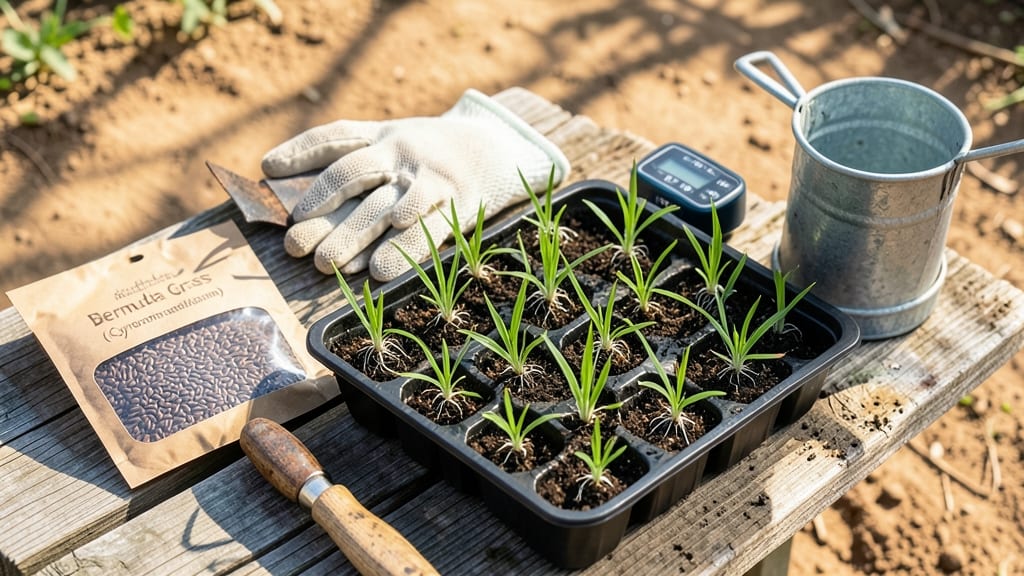
Timing your Bermuda seed planting in North Texas can mean the difference between a lush, heat-resistant lawn and a frustrating battle with weeds and slow growth. The late March to early May window—right after the last frost—is your golden opportunity to get ahead of the 90°F+ summers before they arrive.
Why does this matter? Because Bermuda Grass thrives in heat but struggles when planted too early in cool soil or too late when weeds take over. In USDA Zone 8a, where North Texas falls, soil temperatures need to hit at least 65°F for seeds to germinate properly.
Miss the window, and you’ll spend the summer playing catch-up.
I’ll break down the exact weeks to plant for fast germination, how to prep your soil for success, and why some gardeners swear by sod instead.
Whether you’re in Dallas, Fort Worth, or Waco, these tips will help you avoid common mistakes and get your lawn off to the right start.
Let’s dive into the specifics—so you can enjoy that thick, green carpet before the heat peaks. The clock is ticking, and every day counts when it comes to Bermuda Grass in North Texas.
Optimal North Texas Bermuda seed planting weeks by month (with heat tolerance zones)
Timing your Bermuda grass seed planting in North Texas is all about beating the heat—literally. The ideal window spans late March through early May, when soil temperatures consistently hit 75°F+ and daytime highs stay below 90°F.
Planting too early risks slow germination from cool soil, while waiting too late gives weeds a competitive edge.
North Texas falls primarily in USDA Zone 8a/b, where last frost dates average March 15 but can vary by city. Dallas and Fort Worth typically warm up faster than Waco or Abilene, so adjust your schedule accordingly.
For example, Dallas gardeners can start as early as late March, while Waco may need to wait until early April.
Here’s the breakdown of peak planting weeks by month, including soil temperature thresholds and rainfall considerations to maximize your Bermuda seed germination success:
| Month | Optimal Planting Weeks | Soil Temp (°F) | Rainfall Goal | City Adjustments |
|---|---|---|---|---|
| March | Weeks 3–4 (Late March) | 65°F+ (consistent) | 0.5–1 inch/week | Dallas: Week 3 Waco: Week 4 |
| April | Weeks 1–3 (Early April) | 75°F+ (ideal) | 1–1.5 inch/week | All cities |
| May | Week 1 (Early May) | 80°F+ (risky if >90°F) | 0.75–1 inch/week | Avoid if temps exceed 95°F |
Pro tip: Use a soil thermometer to confirm readiness—Bermuda seed needs soil temps above 65°F to germinate, but 75°F+ is ideal for 7–14 day sprouting. If your area experiences unpredictable spring rains, opt for late April planting to avoid waterlogged soil.
Once you’ve nailed the timing, focus on prepping your lawn. Clear existing vegetation, loosen the top 2–3 inches of soil, and level the area to ensure even seed distribution. A light starter fertilizer (high in phosphorus) can jumpstart root growth, but avoid heavy nitrogen until after germination.
After planting, maintain consistent moisture—keep the soil evenly damp (not soggy) until the grass reaches 3–4 inches tall. This usually takes 3–4 weeks, depending on soil conditions and rainfall.
Once established, Bermuda grass thrives in full sun and drought conditions, making it a low-maintenance choice for North Texas lawns.
For fastest results, pair your planting with a pre-emergent herbicide to suppress weeds during the critical first 6 weeks of growth. This is especially important in high-traffic areas like Dallas and Fort Worth, where weeds like henbit and chickweed can outcompete young Bermuda sprouts.
Remember: Bermuda grass is a warm-season grass, meaning it goes dormant in winter but rebounds quickly in spring. By planting in the optimal window, you’ll ensure your lawn stays green and dense through the scorching North Texas summers.
🌱
Optimal North Texas Bermuda seed planting weeks by month (with heat tolerance zones)
North Texas gardeners know timing is everything—especially for Bermuda grass, which thrives in 90°F+ heat but needs precise planting windows to outpace weeds and establish before summer. The ideal window spans late March through early May, when soil temps hit 75°F+ and last frost risks fade.
Dallas, Fort Worth, and Waco all follow this rule, but microclimates can shift windows by 1–2 weeks.
For Dallas-Fort Worth, aim for March 25–April 15—this aligns with the city’s average last frost (March 15) and ensures soil warmth without overcrowding weeds.
In Waco’s hotter Zone 8b, you can push planting to April 1–May 1, but avoid May 15+ when summer’s brutal heat slows germination.
| Month | Soil Temp (°F) | Germination Time | Weed Risk | City Adjustment |
|---|---|---|---|---|
| Late March | 65–70°F | 14–21 days | Moderate | Dallas: Wait until March 25 |
| April | 75–85°F | 7–10 days | Low | Waco: Ideal window |
| Early May | 80–90°F | 5–7 days | High (weeds explode) | Avoid after May 15 |
Pro tip: Use a soil thermometer to confirm temps—Bermuda seed needs consistent 75°F+ for 70% germination rates. If your soil runs cooler (common in shaded lawns), delay planting until mid-April to avoid mold risks. Overwatering in cool soil is a common mistake that drowns seeds.
For fastest establishment, plant when rainfall drops below 2 inches/week—this prevents seed washout. In Dallas, aim for April 1–15; in Waco, stretch to April 15–May 1. After May 15, weeds like crabgrass will outcompete your Bermuda before it germinates.
Watch for daily highs above 90°F—this signals it’s too late. Bermuda seed struggles to germinate above 95°F, and established grass may go dormant until fall rains return. Plan ahead: Pre-emergent herbicides applied 2 weeks before planting can cut weed competition by 60%.
My personal rule: Plant Bermuda seed when dogwood trees bloom (mid-April in North Texas)—this natural cue aligns with soil warmth and lower weed pressure. Mark your calendar and grab seeds early; high-quality seed sells out fast in spring!