
Plants
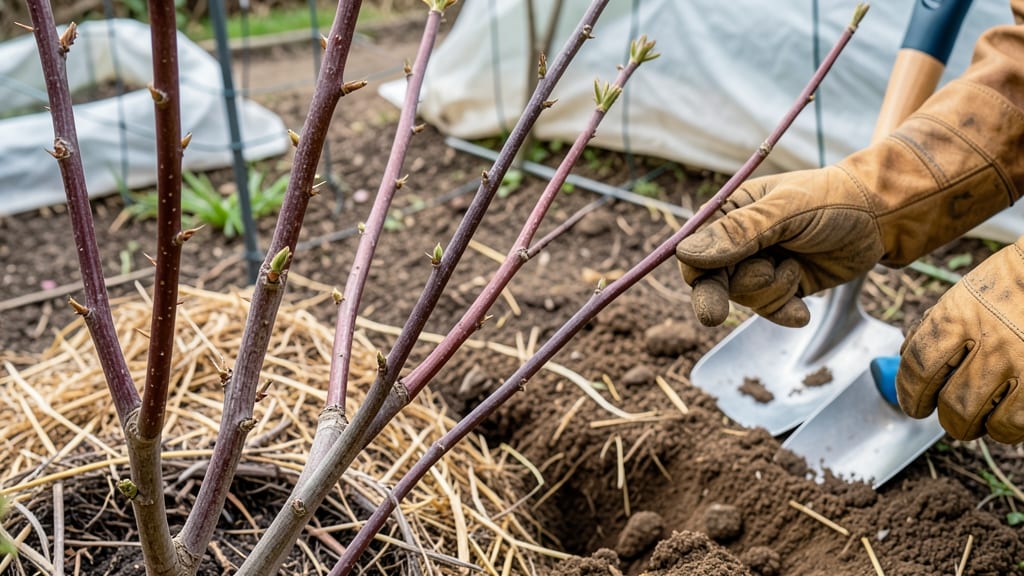
Planting blackberries in Arkansas at the wrong time can mean the difference between a bountiful harvest and a sad, frost-nipped failure. Whether you're a seasoned gardener or just starting with 🫐 brambles, getting the timing right is the key to thriving plants that produce sweet fruit for years.
In Arkansas' 7a-8b zones, the ideal windows are late winter through early spring or fall—specifically February-March or September-October. These periods give your blackberries the best chance to establish strong roots before extreme heat or cold sets in.
But here's the catch: Northern Arkansas faces earlier frosts than the southern part of the state. Planting too early in the north could expose tender canes to late-spring freezes, while waiting too long in the south might delay the plant's ability to harden off before winter.
Don't worry—I'll walk you through exactly how to time your planting for maximum success, including soil prep, variety selection, and what to watch for as your blackberries grow. Let's get those brambles off to the right start!
Best planting months for blackberries in Arkansas (by region)
Arkansas' diverse climate—from the cooler North to the warmer South—means blackberry planting windows vary by USDA zones 6b-8a. Getting the timing right ensures your canes establish roots before winter dormancy or summer heat stress.
In North Arkansas (zones 6b-7a), aim for late April to early May, while Central Arkansas (zone 7b) gardeners have a wider window from March to April. For South Arkansas (zones 8a-8b), February to March is ideal to avoid early spring heatwaves.
Fall planting is also a smart choice in Arkansas' milder zones. In North Arkansas, wait until September to October to let roots establish before first frost. Central and South Arkansas can plant as early as August, giving canes time to root before winter.
The key? Planting 6-8 weeks before expected frost ensures strong root growth before dormancy.
Here’s how Arkansas’ microclimates affect your planting schedule:
| Region | USDA Zone | Best Spring Planting | Best Fall Planting | Soil Prep Time |
|---|---|---|---|---|
| North Arkansas | 6b-7a | Late April–Early May | September–October | Early March |
| Central Arkansas | 7b | March–April | August–September | Late February |
| South Arkansas | 8a-8b | February–March | August–Early September | January–February |
Timing isn’t just about months—it’s about soil temperature. Blackberries thrive when soil reaches 60°F (15°C). In North Arkansas, this usually aligns with mid-April, while South Arkansas hits this mark by early March.
Use a soil thermometer to confirm readiness, especially if spring arrives early or late.
Pro tip: If you’re planting bare-root canes, soak them in lukewarm water for 2-3 hours before planting to rehydrate roots. This is especially critical in Arkansas' dry spells, where soil can dry out quickly after planting.
Mulch with straw or wood chips to retain moisture and regulate soil temperature.
Arkansas’ humidity and heat can also impact planting success. In South Arkansas, avoid planting in July or August—the extreme heat stresses young canes. Instead, opt for early fall when temperatures drop slightly, and roots can establish without heat shock.
For North Arkansas, early spring planting reduces the risk of late frost damage to tender new growth.
Local Arkansas Cooperative Extension offices recommend testing soil pH (5.5–6.5) before planting. Amend with compost or sulfur if needed, and ensure well-draining soil to prevent root rot—a common issue in Arkansas’ clay-heavy soils. Raised beds or mounded rows improve drainage and warm soil faster in cooler zones.
One common mistake Arkansas gardeners make? Planting too late in fall, leaving canes vulnerable to winter dieback. Aim to plant at least 6 weeks before frost (typically by October 15 in North Arkansas and November 1 in South Arkansas).
This gives roots time to anchor before dormancy sets in.
For container growing, Arkansas’ shorter growing season works in your favor. Plant potted blackberries in late spring (May) to extend the season and move containers to sheltered spots if frost threatens. Just ensure pots have drainage holes and use lightweight potting mix to prevent waterlogging.
Finally, consider microclimates within your property. South-facing slopes warm up faster, making them ideal for early spring planting in cooler zones. North-facing areas may need black plastic mulch to warm soil and jumpstart growth. Pay attention to these nuances to fine-tune your planting schedule.
How to time blackberry planting for maximum yield in Arkansas
Timing your blackberry planting isn’t just about picking a month—it’s about syncing with Arkansas’ unique seasonal rhythms. The key is planting when roots can establish before extreme heat or dormancy kicks in.
For most of Arkansas (USDA zones 7a-8b), this means two prime windows: early spring and fall. Let’s break down why each works and how to maximize success.
In early spring (March-April), soil temperatures warm enough for root growth, but you must wait until after the last frost—typically mid-March in southern Arkansas and early April in the north.
Planting too soon risks frost damage to tender canes. Meanwhile, fall planting (September-October) gives roots time to establish before winter dormancy, but avoid late fall to prevent winterkill from freezing soil.
Here’s the secret to maximum yield: align planting with your blackberry’s growth cycle. Floricane varieties (like 'Natchez') need dormancy periods to fruit, so plant them in early spring. Primocane varieties (like 'Prime-Ark Freedom') can handle fall planting because they fruit on new growth.
Choosing the right window for your variety makes all the difference in harvest size.
🌱
- Soil Temp Check: Wait until soil reaches 50°F+ (spring) or 60°F+ (fall) for root growth.
- Frost Buffer: Plant 2-3 weeks after last frost (check Arkansas Cooperative Extension for local dates).
- Root Establishment: Fall-planted canes need 4-6 weeks to root before winter dormancy.
- Transplant Timing: Move potted blackberries on cloudy days to reduce transplant shock.
- Heat Tolerance: Avoid planting in July-August—high temps stress young roots.
- Primocane Hack: Fall-planted primocanes may fruit next summer if given winter protection.
Don’t overlook transplanting conditions—this is where many gardeners trip up. Blackberries hate soggy soil, so prepare beds with well-draining amendments like compost or sand. Water deeply after planting to settle roots, then maintain consistent moisture for the first 30 days.
Mulch with straw to retain moisture and suppress weeds, but keep mulch 3 inches away from canes to prevent rot.
Adjust for Arkansas’ microclimates: Northern counties (like Bentonville) have cooler springs, so lean toward late April planting. Southern regions (like Little Rock) can start as early as mid-March.
If you’re in a humid lowland, prioritize airflow by spacing canes 6 feet apart to prevent fungal diseases like botrytis.
Pro tip: Use a planting calendar to track your blackberries’ progress. Mark the day you plant, then note when new growth appears—this helps you gauge if timing was ideal.
For example, if canes sprout within 2 weeks of planting, you nailed the window. If growth stalls, you may have planted too late or in poor soil conditions.
✂️