
Plants
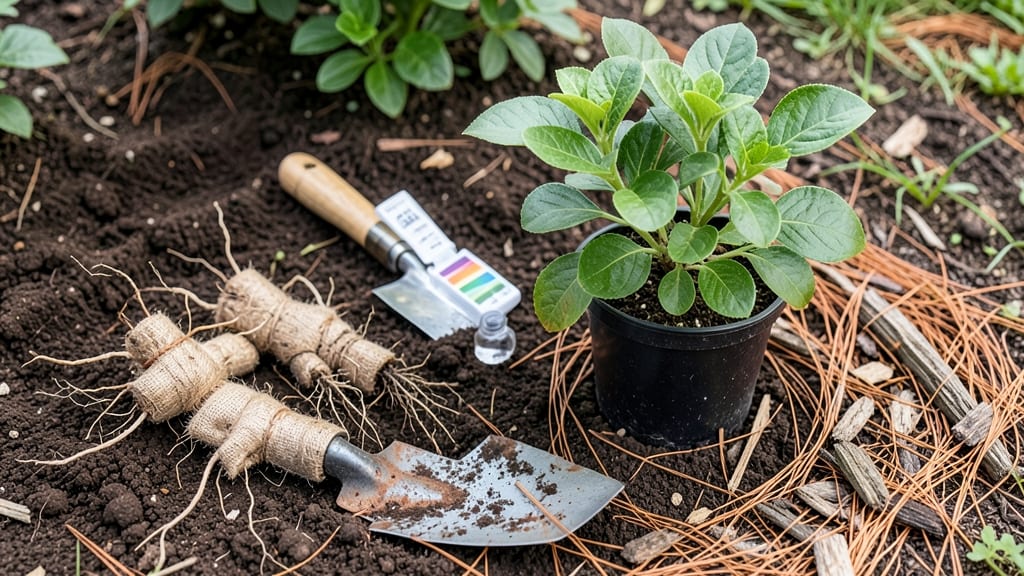
Planting blueberries in New Jersey isn’t just about timing—it’s about outsmarting 6a-7b zone frost risks while matching varieties to your region’s chill-hour needs. Get the window wrong, and you’ll end up with shriveled buds or no harvest at all.
But when you nail it—between late April and early June—you’re setting up your 🫐 bushes for years of sweet rewards, with berries ripening just in time for July’s peak picking.
Most NJ gardeners assume "spring planting" means rushing as soon as the snow melts, but that’s a recipe for frost damage. The key is waiting until after your last frost date—typically mid-April—and choosing varieties that thrive in your specific chill-hour zone.
Whether you’re in northern NJ (where ‘Patriot’ excels) or southern NJ (where ‘Bluecrop’ dominates), the right timing ensures your bushes get the 3-4 months of dormancy they crave before bursting into growth.
Here’s the game-changer: soil prep matters just as much as the calendar. Blueberries demand acidic soil (pH 4.5–5.5), and NJ’s native clay can turn hostile without amendments like peat moss or sulfur. Combine that with proper mulching, and you’ll shield your plants from temperature swings that plague unprepared gardeners.
I’ll walk you through every step—from variety selection to frost-proofing hacks—so you can skip the guesswork and start harvesting plump, juicy berries by summer’s end.
Ready to turn your NJ backyard into a blueberry powerhouse? Let’s dive into the exact planting schedule, soil tweaks, and chill-hour tricks that’ll have your bushes thriving while your neighbors’ plants wither. No more wasted seasons—just bountiful harvests and zero frost-related heartbreak.
Optimal NJ blueberry planting dates by chill-hour requirements
New Jersey’s three distinct climate zones—southern, central, and northern—each demand a tailored approach to planting blueberries. The key factor? Chill hours, which determine whether your blueberries will bloom, fruit, or simply fail to thrive.
Southern NJ (zones 7a-7b) needs 700+ chill hours, while northern NJ (zones 6a-6b) thrives with 500-600 chill hours. Planting outside these ranges risks poor yields or no fruit at all.
For southern NJ gardeners, aim for late April to early May when soil temps hit 50°F consistently. Central NJ’s 600-700 chill hour zone benefits from early to mid-April planting, while northern NJ’s cooler microclimates should wait until mid to late May.
These windows align with NJAES frost data, ensuring your blueberries avoid late-spring freezes that can kill young shoots.
Here’s the critical rule: Plant 4-6 weeks after your last frost date. Use the NJAES frost calendar (linked below) to pinpoint your exact date—southern NJ averages April 15, while northern NJ can stretch to May 10.
Pro tip: Bare-root plants can handle cooler soils, so March planting is safe if you’re using them in northern zones.
Mismatched chill hours are the #1 reason blueberries fail in NJ. For example, planting 'Duke' (a 900-chill-hour variety) in northern NJ’s 550-chill-hour zone means it’ll bloom but never fruit. Always match your variety to your zone’s average chill hours, not the warmest year’s data.
Container gardening in NJ offers flexibility. Since pots warm faster, you can plant 2-3 weeks earlier than in-ground plants. Just ensure your container has drainage holes and use a peat-based potting mix to mimic acidic soil.
Urban gardeners in Jersey City or Newark often get a 10-14 day head start this way.
Soil temperature is just as critical as air temperature. Use a soil thermometer to confirm 50°F at 4 inches deep before planting. Cold soil slows root growth, leaving your blueberries vulnerable to spring frost.
In northern NJ, this often means waiting until mid-May—even if your last frost was weeks earlier.
Don’t overlook microclimates. A south-facing slope in Morris County might be 3-5°F warmer than a low-lying area in Burlington County. Plant in the warmest spot in your yard, even if it’s 10 feet from your usual garden bed. This can shave 1-2 weeks off your planting timeline.
For fall planting (a lesser-known but effective strategy), aim for late September to early October. This gives roots time to establish before winter, but only works in zones 6b and warmer. Northern NJ gardeners should avoid fall planting—roots won’t harden off in time for harsh winters.
Protect young plants with row covers if late frosts threaten. Even after planting, a frost cloth can save your blueberries during unpredictable April nights. In 2021’s late-May frost, many central NJ gardeners lost their June-planted bushes—proof that timing matters more than calendar dates.
🌱