
Plants
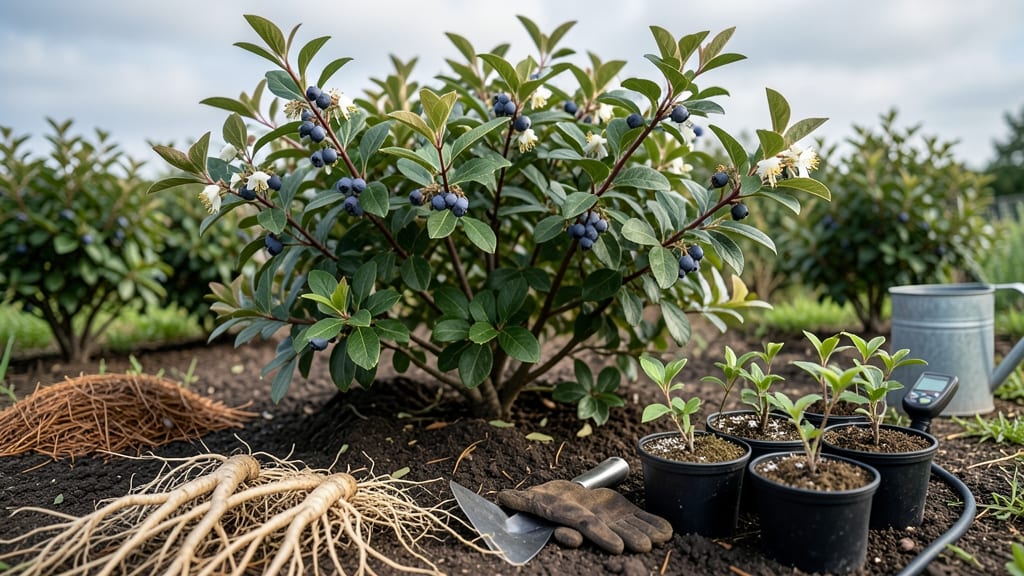
If you’ve ever dreamed of planting blueberries in Zone 5 at the right time to pluck fresh 🫐 straight from your backyard, you’re not alone. Planting them at the wrong time can mean the difference between a thriving bush and one that barely survives.
The key isn’t just about seasons—it’s about matching chill hours, soil temperatures, and your local microclimate to give those roots the best start.
Most gardeners in Zone 5 focus on spring planting, but fall often outperforms it—especially in northern suburbs where winters are harsher.
I’ll break down why September to October is ideal for most of Zone 5, how to prepare your soil for acidic-loving blueberries, and when spring planting still makes sense (with adjustments).
You’ll also discover how to avoid common mistakes that stunt growth, like planting too early when the soil is still cold or ignoring your specific frost dates. Whether you’re a first-time gardener or a veteran with a few failed attempts, these insights will help you plan for success—not disappointment.
Let’s dive into the exact steps to time your planting like a pro, so you can enjoy that first harvest in July or August without the guesswork.
Optimal planting windows for blueberries in Zone 5 (chill-hour breakdown)
Zone 5 gardeners have two prime windows to plant blueberries: early spring (March–April) or early fall (September–October). The key difference? Chill hours—blueberries need 500–900 hours below 45°F to set buds.
Northern Zone 5 (e.g., Detroit) may need fall planting, while southern areas (e.g., Chicago suburbs) can handle spring.
Spring planting risks transplant shock if soil stays cold, while fall planting lets roots establish before winter. Microclimates matter: Urban areas heat faster than rural spots, altering soil warmth. Always check your last frost date (typically mid-May in Zone 5) to avoid early frosts damaging tender roots.
Here’s how chill hours break down by region in Zone 5:
| Region | Chill Hours | Best Planting Window | Soil Temp Goal (°F) |
|---|---|---|---|
| Northern Zone 5 (e.g., Detroit) | 800–900 | Fall (Sept 15–Oct 15) | 50–60°F |
| Central Zone 5 (e.g., Chicago) | 600–750 | Spring (April 1–May 1) or Fall (Sept 1–Oct 1) | 45–55°F |
| Southern Zone 5 (e.g., Cincinnati) | 500–650 | Spring (March 15–April 15) | 55–65°F |
For northern Zone 5, fall planting is ideal—roots establish in warm soil before winter. In southern Zone 5, spring planting avoids frost risks. Use a soil thermometer to confirm temps: roots need at least 50°F to grow.
Pro tip: Bare-root plants can handle fall planting, while container-grown bushes thrive in spring.
Verify your microclimate by observing nearby gardens: Do blueberries in your area fruit reliably? If not, fall planting may be safer. Urban heat islands can push soil temps up 10°F+, so adjust planting dates accordingly. For example, Chicago’s Loop may be 2 weeks ahead of suburban areas.
Another critical factor: soil pH. Blueberries demand acidic soil (pH 4.5–5.5). Test your soil 4–6 weeks before planting to amend with sulfur or peat moss.
If your soil is alkaline (pH >7), add elemental sulfur (1–2 lbs per 100 sq ft) and retest in 2 months. Never plant without adjusting pH—it’s the #1 reason blueberries fail in Zone 5.
Container growers in Zone 5 have flexibility: Plant in early spring (March) to extend the growing season. Use 15–20 gallon pots with acidic potting mix and dwarf varieties (e.g., ‘Top Hat’ or ‘Patriot’).
Move pots to a sunny patio in summer and sheltered spot in winter to protect roots from freezing.
Mulch heavily after planting with pine needles or wood chips (2–3 inches) to retain moisture and acidify soil. Avoid grass clippings—they raise pH. In fall, add a 3-inch layer of mulch before frost to insulate roots.
This simple step can mean the difference between a thriving bush and one struggling to survive winter.
Common mistake: Planting too late in spring (after mid-May). By then, soil may still be cold, and roots won’t establish before summer heat. Always aim to plant 4–6 weeks before your last frost date.
For Zone 5, that’s April 1–May 1 for spring or September 15–October 15 for fall.
🌱
Step-by-step fall planting guide for Zone 5 blueberries (best for northern suburbs)
Fall planting (September–October) gives Zone 5 blueberries a head start—roots establish in warm soil while transplant shock is minimal. This method works best in northern Zone 5 (e.g., Detroit, Grand Rapids) where winters are harsh.
The key? Plant when soil temps hover between 50–60°F and before first frost (typically mid-October in Zone 5).
Here’s why fall often outperforms spring: Cooler temps reduce stress on young roots, and winter rains help establish deep root systems. Plus, you avoid summer heat stress that can plague spring-planted bushes.
For container growers, fall planting in 15–20 gallon pots extends the season—just move pots to a sheltered spot before frost.
- 1 Test soil pH 4–6 weeks before planting
- 2 Amend soil with sulfur or peat moss to reach pH 4.5–5.5
- 3 Dig a hole twice as wide as the root ball; loosen soil at bottom
- 4 Place plant so crown sits 1–2 inches above soil (prevents rot)
- 5 Backfill with acidic soil mix (50% native soil, 50% peat moss)
- 6 Water deeply (1–2 gallons) to settle soil; mulch with 3 inches of pine needles
After planting, water weekly until first frost, then reduce to bi-weekly in winter. In Zone 5’s colder microclimates (e.g., Traverse City), add a 4-inch layer of straw mulch over pine needles for extra insulation.
Avoid grass clippings—they raise pH and attract pests. For container plants, wrap pots in bubble wrap and move to a north-facing wall for winter protection.
Pro tip: Fall-planted blueberries often fruit 1 year earlier than spring-planted ones. This happens because roots establish during the warm fall soil while the bush remains dormant above ground.
By spring, the plant is already energized to produce fruit instead of just leaves. Just remember: Never fertilize in fall—it encourages tender new growth that won’t survive frost.
Common mistake: Planting too late in fall (after October 15). By then, roots may not establish before first frost, leading to winter dieback. Always check your local frost date and plant 4–6 weeks before.
For Zone 5’s northern edge, aim for September 15–October 1; southern Zone 5 can stretch to October 15.
🌿