
Plants
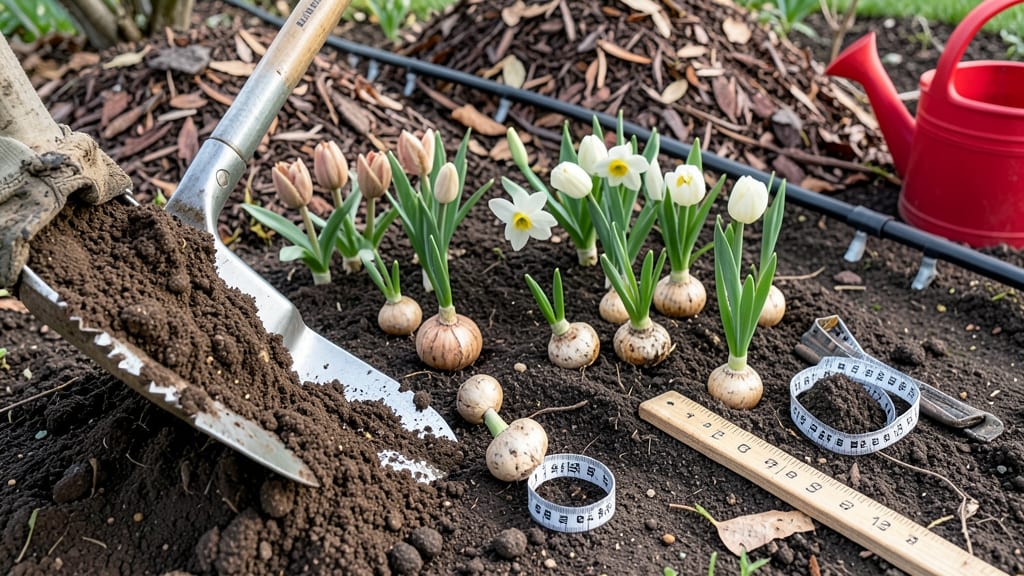
Timing your planting of bulbs in Arizona could mean the difference between a vibrant spring garden and a sad, wilted disappointment. Unlike cooler climates, Arizona’s unpredictable frost patterns and scorching summers demand a desert-smart approach—one that respects the 9b zone’s quirks while maximizing bloom potential.
Most gardeners assume fall is the only window for planting 🌷 spring flowering bulbs (e.g., tulips, daffodils, hyacinths), but Arizona’s microclimates complicate things. High-desert areas like Flagstaff might need bulbs in the ground by early November, while Phoenix’s low desert can wait until December—even January in mild years.
The key? Understanding your local frost-free days and soil temperatures.
What if I told you that watering strategies and mulching techniques could make or break your bulbs’ survival? Many Arizona gardeners overwater, turning their beds into soggy graves for delicate roots.
Instead, we’ll cover how to prep soil, time irrigation, and protect against gophers—all while working with the desert’s drought-loving bulbs.
By the end, you’ll have a customized schedule that accounts for your elevation, soil type, and even your neighborhood’s quirks. Let’s turn your Arizona garden into a zero-frost-proof paradise of color and life—starting with the right planting window.
Arizona bulb planting calendar: month-by-month zero-frost survival guide
Arizona’s USDA Zones 9-11 create unique challenges for bulb planting. Unlike colder climates, frost is rare in low deserts but can still damage tender bulbs in higher elevations. My strategy? Plant 6-8 weeks before first frost in mountainous areas, while low desert gardeners can plant later for spring blooms.
Timing depends on your elevation and microclimate. Phoenix gardeners can plant tulips and daffodils in November, while Flagstaff gardeners should aim for October planting. The key is understanding your last frost date—even if rare, a single 28°F night can kill many bulbs.
Here’s my month-by-month breakdown for Arizona’s three main regions: low desert, high desert, and mountains. I’ve included critical temperature thresholds and watering adjustments to keep your bulbs thriving.
🌱 Visual Element: Arizona Bulb Planting Calendar
In low desert areas like Phoenix, I focus on November planting for most bulbs, as temperatures stay mild year-round. The exception? Heat-tolerant varieties like Agapanthus or Dahlias, which can be planted in September or October to avoid summer stress.
For high desert regions (Sedona, Prescott), October is prime time.
These areas experience cooler nights and occasional light frosts, so I recommend mulching heavily with straw or wood chips to insulate bulbs. Mountain areas (Flagstaff, Show Low) are trickier—plant in September-October to ensure bulbs establish before first frost.
My pro tip: Use a soil thermometer to check temps. Bulbs need soil 50-60°F for root growth. If temps drop below 40°F, protect newly planted bulbs with row covers or burlap sacks.
Watering is critical in Arizona’s dry climate. After planting, water deeply once a week for the first month to encourage root growth. Once established, reduce to every 2-3 weeks—overwatering is a common killer of desert bulbs.
Finally, remember that Arizona’s microclimates vary wildly. A garden just 5 miles apart can have 10°F temperature differences. Always check your local frost maps (like the National Weather Service) and adjust your
Best bulbs for Arizona’s climate: heat-tolerant varieties that defy the desert
Arizona’s extreme heat and alkaline soils rule out many traditional bulbs, but don’t despair—some varieties thrive here like natives. Agapanthus and Crinum lilies are top performers, while Dahlias and Rain lilies handle our dry conditions with ease. These desert-defiers need minimal fuss once planted, making them perfect for low-maintenance gardens.
For spring blooms, focus on heat-tolerant tulips like Darwin Hybrid varieties or daffodils such as Ice Follies. These bulbs store energy during our mild winters and burst into color before summer’s relentless sun peaks. Fall-planted bulbs like Crocuses or Sternbergia (autumn crocus) are also smart choices.
🌱
When selecting bulbs, prioritize drought-resistant varieties and avoid moisture-loving types like Hyacinths or Muscari, which struggle in Arizona’s dry climate. Pre-treat bulbs by soaking them in hydrogen peroxide (1%) for 30 minutes before planting to prevent fungal issues in our alkaline soils.
For container gardening, choose smaller bulbs like Miniature Dahlias or Chinodoxa (glory-of-the-snow). These adapt well to pots and can be moved indoors during extreme heat waves. Just ensure containers have drainage holes and use cactus/succulent mix for optimal results.
Pro tip: Mix bulbs with succulents to create a low-water garden. The succulents’ shallow roots won’t compete with bulb roots for moisture, and their silver foliage contrasts beautifully with spring blooms like Tulips or Daffodils. This combo thrives in Arizona’s USDA Zones 9-11 with minimal fuss.
🌿