
Plants
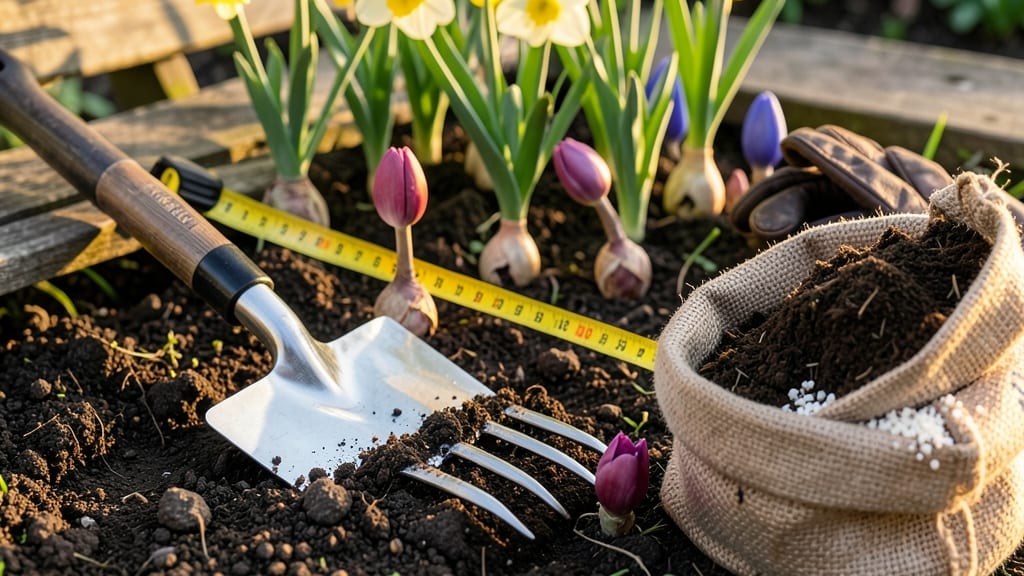
Figuring out when to plant bulbs in Zone 7b can feel like solving a puzzle—especially when your mild winters blur the lines between fall and spring planting. One wrong move, and your 🌱 tulips might bloom too early or fail to root at all.
But here’s the good news: with the right timing and a few local tweaks, you can turn your garden into a springtime explosion of color.
Zone 7b’s 6-8 week frost-free window in fall (October–November) is your sweet spot for most bulbs, but not all varieties play by the same rules. Some, like daffodils, thrive with early planting, while others, like crocus, need a chill period that might not come naturally in your region.
I’ll break down exactly which bulbs to plant when—and how to give them the chill they crave—so you’re not left guessing.
What if you missed the fall window? Don’t panic—spring planting (February–March) still works for certain bulbs, and I’ll show you how to prep your soil for success. We’ll also cover the 3 key steps to protect your investment: soil prep, mulching, and knowing when to hold off if frost lingers.
Ready to skip the trial-and-error and get straight to blooms?
By the end, you’ll know not just when to plant, but why it matters—and how to adjust for Zone 7b’s quirks. Let’s make next spring your most vibrant yet.
Zone 7B bulb planting timeline: month-by-month guide for perfect bloom timing
Zone 7B gardeners enjoy mild winters, but that warmth can throw off traditional bulb planting schedules. The key is planting bulbs when soil temperatures drop below 60°F—typically 6-8 weeks before your first frost date (usually mid-November).
This timing ensures bulbs establish roots before winter dormancy, setting the stage for stunning spring blooms.
Fall-planted bulbs like tulips and daffodils need this head start, while spring-flowering varieties like hyacinths and crocuses rely on winter chill hours. In Zone 7B, where winters are less harsh, some bulbs may not get enough natural chill.
Understanding your microclimate—whether you’re in a cooler valley or warmer urban area—helps fine-tune your schedule.
Here’s your month-by-month planting guide, tailored to Zone 7B’s unique conditions:
| Month | Bulb Types | Soil Temp Threshold | Planting Depth | Notes |
|---|---|---|---|---|
| September | Spring-flowering bulbs (daffodils, tulips) | 60-65°F | 2-3x bulb height | Early planting for early bloomers; avoid waterlogged soil. |
| October | Tulips, hyacinths, crocuses | 50-55°F | 2-3x bulb height | Best month for most bulbs; mulch after planting. |
| November | Late tulips, alliums, snowdrops | 40-45°F | 2-3x bulb height | Plant before ground freezes; protect with straw mulch. |
| February | Spring-planted bulbs (caladiums, cannas) | 50°F+ (soil thawed) | Shallow (1-2x bulb height) | Wait until last frost (mid-March in Zone 7B). |
| March | Late spring bulbs (gladiolus, dahlias) | 55°F+ | 1-2x bulb height | Use row covers for frost protection. |
In Zone 7B, October is your golden month for planting most bulbs. By then, soil temperatures drop enough to encourage root growth, but you still have time before winter sets in.
For bulbs like tulips, which need 10-15 weeks of chill, planting in early October ensures they’ll bloom reliably in spring.
If you’re in a warmer microclimate (e.g., near urban heat islands), consider planting chill-loving bulbs like hyacinths in containers. You can move them to a cooler garage or shed during winter to supplement their chill hours. This trick works wonders for varieties that struggle with Zone 7B’s milder winters.
For spring-planted bulbs like cannas or caladiums, wait until soil temperatures rise above 50°F in late February or early March. These tropical beauties need warmth to sprout, so rushing them can lead to frost damage.
Always check the last frost date for your specific area—Zone 7B’s average is mid-March, but microclimates can vary by 2-3 weeks.
After planting, mark your bulb beds with stakes or flags to avoid disturbing them in spring. In Zone 7B, some bulbs—like daffodils—may sprout too early if winters are unusually mild. If this happens, protect tender shoots with a lightweight row cover or move potted bulbs indoors temporarily.
Mulching is non-negotiable in Zone 7B. Apply 2-3 inches of straw or shredded leaves after planting to insulate bulbs from temperature swings. Remove the mulch in early spring once shoots appear, but leave it in place through winter to regulate soil temps and retain moisture.
Don’t forget that bulb quality matters. Choose firm, dry bulbs with no mold or soft spots. Planting larger bulbs (size 1 or larger) ensures stronger blooms, especially in Zone 7B where some varieties may struggle with inconsistent chill hours.
With this timeline, you’ll enjoy vibrant blooms from early spring (crocuses in
Chill-hour requirements by bulb type: which varieties thrive in Zone 7B’s mild winters?
Zone 7B’s mild winters can be a double-edged sword for bulbs—some varieties thrive with minimal chill hours, while others struggle to bloom without extra care. Understanding chill-hour requirements helps you choose bulbs that will flourish in your climate.
For example, daffodils and crocuses typically need only 8-12 weeks of chill, making them ideal for Zone 7B.
On the other hand, tulips and hyacinths often require 12-15 weeks of chill, which can be challenging in warmer winters. If you love these bulbs, you might need to supplement their chill hours using refrigeration tricks or plant them in cooler microclimates, like shaded spots or north-facing beds.
🌱 Tip: Always check the chill-hour needs of bulbs before buying. Many nurseries now label bulbs with their chill requirements, making it easier to pick winners for your zone.
| Bulb Type | Chill-Hour Needs (Weeks) | Zone 7B Performance | Best Planting Time |
|---|---|---|---|
| Daffodils (Narcissus) | 8-12 | Excellent (low chill needs) | October-November |
| Tulips (Tulipa) | 12-15 | Good (may need supplemental chill) | October-November |
| Crocuses (Crocus) | 6-8 | Perfect (low chill needs) | September-October |
| Hyacinths (Hyacinthus) | 12-16 | Moderate (may need refrigeration) | October-November |
| Alliums (Allium) | 8-10 | Excellent (drought-tolerant) | October-November |
If you’re eager to grow high-chill bulbs like tulips or hyacinths in Zone 7B, try storing them in your refrigerator for 6-8 weeks before planting. Place them in a paper bag in the crispier drawer (around 35-40°F) to mimic winter conditions.
This trick can make a huge difference in bloom success!
For low-chill bulbs, like daffodils and crocuses, timing is less critical, but planting them in well-draining soil and full sun will ensure they thrive. These varieties are forgiving and often bloom earlier, adding early-season color to your garden.
Experiment with a mix of bulbs to extend your bloom season. Plant crocuses in fall for early spring color, then follow with tulips and daffodils in late winter. This layered approach keeps your garden vibrant from February through May.