
Plants
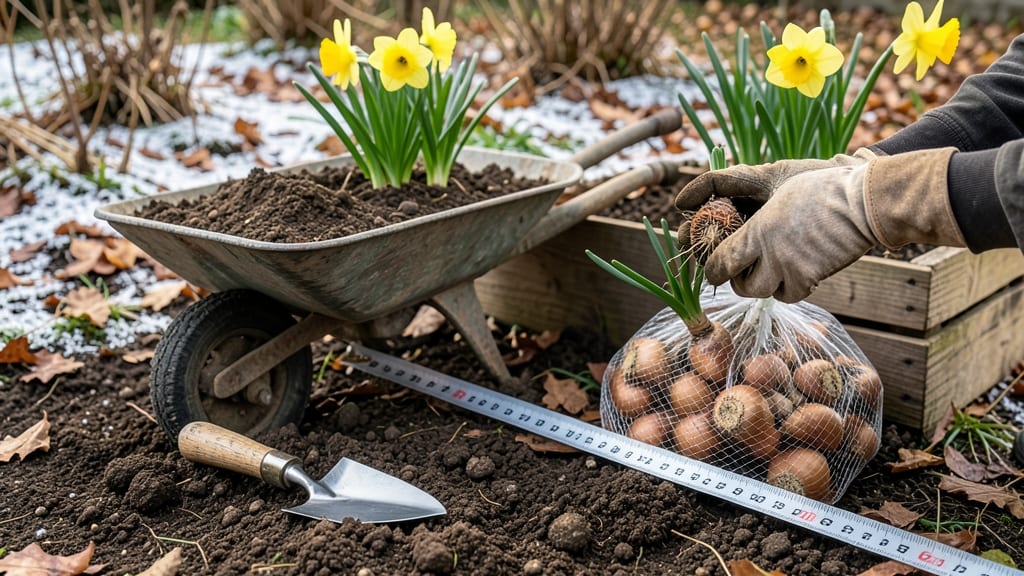
Planting daffodil bulbs in Michigan at the wrong time can mean the difference between a vibrant spring garden and wasted effort. The perfect window opens in fall, but Michigan’s unpredictable climate—especially in zones 5b-6b—demands precision.
Too early, and bulbs may rot; too late, and frost will stunt their growth.
I’ve learned the hard way that timing is everything when it comes to daffodil bulb planting. Whether you’re a seasoned gardener or just starting, knowing when to plant ensures your 🌼 blooms thrive next spring.
Michigan’s short growing season means you’ve got just a few weeks to get it right—typically between mid-September and late October.
This guide will walk you through the exact steps to plant your daffodils for success, from soil prep to bulb depth, so you can enjoy those cheerful yellow flowers come April. Let’s make sure your bulbs get a head start before winter sets in.
Ready to transform your garden? Here’s what you need to know to plant your daffodils at the perfect time—without the guesswork.
Michigan’s ideal daffodil bulb planting window: exact dates and climate factors
Michigan’s USDA zones 4-6 create a unique challenge for daffodil bulb planting—too early, and bulbs may sprout before winter; too late, and they won’t establish roots before frost. The perfect window spans September 15 to October 31, but your exact timing depends on soil temperatures and frost predictions.
For most of Michigan, this means planting between mid-September and late October, with southern regions having slightly more flexibility.
Daffodil bulbs need 6 weeks of root growth before the ground freezes to thrive. In Michigan’s climate, this translates to planting when soil temperatures drop below 60°F but haven’t yet reached freezing.
Use a soil thermometer to check—ideal planting temps hover around 50-60°F. Northern Michigan (like Traverse City) may need to plant earlier, while southern areas (like Detroit) can wait until late October.
The first frost date in Michigan typically arrives between October 15 and November 1, depending on location. To calculate your exact window, subtract 6 weeks from your area’s average first frost date.
For example, if frost hits October 20, aim to plant by September 1. Use the National Weather Service’s frost prediction maps or local gardening extensions for precise dates tailored to your county.
One critical factor Michigan gardeners often overlook is soil moisture. Bulbs need consistent moisture to root but will rot if planted in soggy soil. After planting, water thoroughly and apply 2-3 inches of mulch to insulate bulbs and retain moisture.
This is especially important in sandy soils, which dry out quickly, or clay-heavy soils, which can waterlog.
Here’s a quick rule of thumb: If you see fall crocuses blooming in your area, it’s time to plant daffodils. These early bloomers signal that soil conditions are ideal for bulb planting.
For container gardeners, plant bulbs in pots by mid-October to ensure they have enough time to root before winter sets in.
If you’re unsure about your local frost date, consider planting test bulbs a week early. This gives you a buffer period to adjust if weather patterns shift unexpectedly. For example, if an early cold snap hits in late September, delay planting until conditions stabilize.
Conversely, if your area experiences a warm October, you might extend your window into early November.
Pro tip: Mark your planting date on a calendar and set a reminder to check soil moisture every 10–14 days until winter. Daffodil bulbs are drought-tolerant once established, but they need consistent moisture during their critical rooting phase.
In Michigan’s variable climate, this means being proactive rather than reactive.
For gardeners in urban areas like Grand Rapids or Ann Arbor, microclimates can create 2–3 week differences in frost dates. If your yard is near a lake or in a low-lying area, frost may arrive earlier.
Conversely, south-facing slopes or paved surfaces can delay frost by warming the soil. Use these microclimate clues to fine-tune your planting schedule.
Remember, daffodil bulbs are perennials, meaning they’ll return year after year if planted correctly. By nailing the autumn planting window, you’re setting the stage for vibrant spring blooms that’ll brighten Michigan’s often gloomy skies.
With the right timing, your daffodils will reward you with weeks of cheerful color—a true sign that spring is on its way! 🌼
Michigan’s ideal daffodil bulb planting window: exact dates and climate factors
Michigan’s USDA zones 4-6 create a 4-6 week window for planting daffodil bulbs, but timing is critical. The sweet spot falls between September 15 and October 31, when soil temperatures drop below 60°F but before the first hard frost. This ensures bulbs establish roots while avoiding winter dormancy risks.
For most of Michigan, aim to plant by mid-October. Southern regions (like Detroit) can extend planting until November 1, while northern areas (Upper Peninsula) should finish by October 15 to prevent frost damage. Use your last frost date as a guide—plant 6 weeks before the first expected frost.
Soil temperature is your best indicator. Use a soil thermometer to confirm temps are between 50-60°F. If soil stays above 60°F, bulbs may rot before rooting. In hot late summers, wait until nighttime temps consistently drop below 70°F before planting.
| Region | Ideal Planting Window | Soil Temp Threshold | Key Risk |
|---|---|---|---|
| Southern Michigan (Detroit, Ann Arbor) | September 20 – November 1 | 50-60°F | Late planting = rot risk |
| Central Michigan (Lansing, Grand Rapids) | September 15 – October 25 | 50-60°F | Early frost |
| Northern Michigan (Traverse City, UP) | September 1 – October 15 | 45-55°F | Short growing season |
Bulbs need 4-6 weeks to establish roots before winter. If you miss the window, store bulbs in a cool, dark place (like a garage) and replant next fall. For container gardening, plant in well-draining pots and move them to a sheltered spot before frost.
Pro tip: Plant daffodil bulbs deeper in sandy soil (8 inches) and shallower in clay soil (6 inches) to balance moisture retention. Mulch with 2-3 inches of straw after planting to insulate bulbs and retain moisture during winter.
Watch for soil moisture—bulbs need consistent dampness but not soggy conditions. If rain is scarce, water lightly after planting to encourage root growth. Avoid overwatering, which can cause bulb rot before roots establish.